There used to be a tiny Japanese-French bakery tucked into a strip mall on the corner of 14th and Market in Portland that made a persimmon bread that I still dream about. When they closed their doors back in 2018—a “retirement” the handwritten sign said—I honestly felt a little panicked. That bread was my fall ritual. I’d buy two loaves every Saturday, freeze one, and convince myself it would last until spring. After they disappeared, I spent three autumns trying to recreate that exact loaf. After 18 tries—some so dry they crumbled into sad little crumbs, others so wet they barely baked through—I finally got it. This is that bread.
The secret, I discovered, was in the persimmons themselves. Most people grab whatever looks ripe at the store, but there’s a real difference between Fuyu and Hachiya varieties, and using the wrong one will absolutely wreck your texture. I learned that the hard way, let me tell you. That first failed attempt? I used rock-hard Fuyus thinking “firm is good” and ended up with a loaf that tasted like nothing and had the texture of sawdust. My neighbor, bless her heart, still said it was “lovely” while reaching for a second glass of wine.
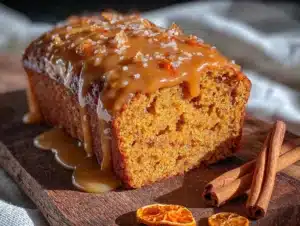
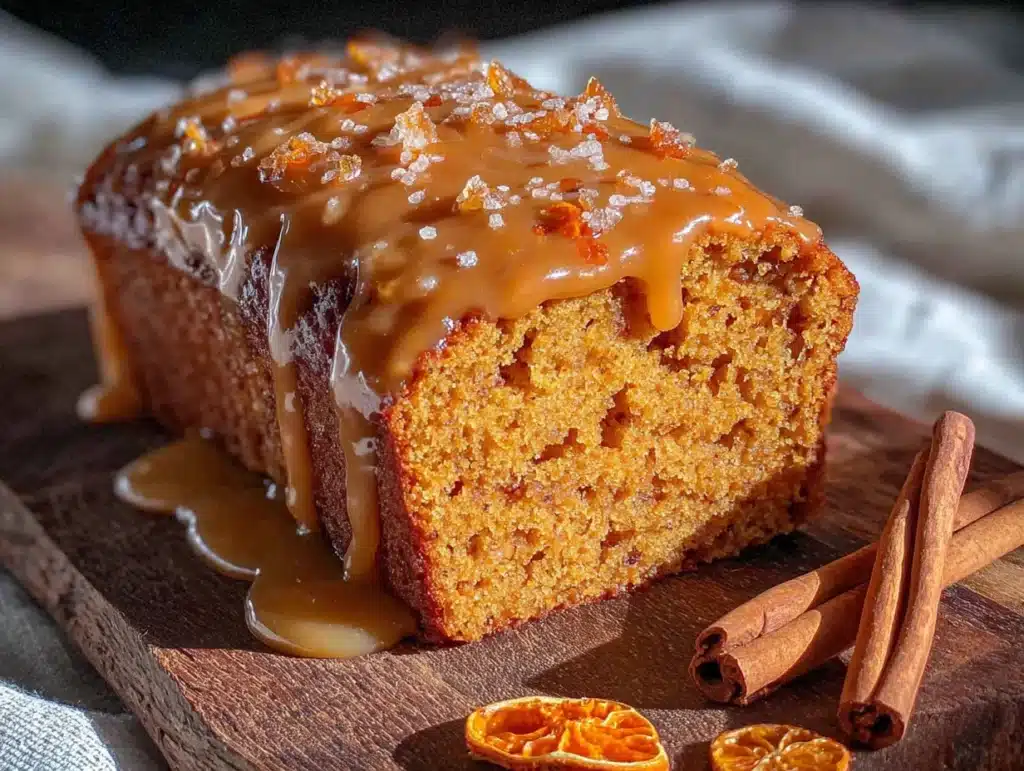
This persimmon bread with brown sugar cinnamon glaze is the kind of thing that makes you close your eyes after the first bite. The sweetness from the fruit is backed by warm spices, and that glaze—oh, that glaze—it seeps into the cracks and creates these little pockets of caramelized heaven. Maybe you’ve been there, standing in your kitchen with a bunch of overripe persimmons wondering what on earth to do with them. Or maybe you’ve never even cooked with persimmons before and you’re just curious. Either way, this recipe is for you. It’s the one I keep making year after year, the one that finally made me stop missing that little bakery.
Why You’ll Love This Persimmon Bread
I’ve tested this recipe more times than I care to admit, and I can tell you with complete confidence that this is the best persimmon bread you’ll ever bake. Here’s why this one stands out from every other recipe floating around the internet:
- Perfectly Moist Every Time : The trick is using very ripe Fuyu persimmons blended into a smooth puree. This creates a batter that bakes up tender and moist without being gummy or raw in the center. No more dry, crumbly loaves.
- Simple Pantry Ingredients : You likely have almost everything in your kitchen right now. Flour, sugar, eggs, butter, and spices. The only special item is the persimmons, which are easy to find at most grocery stores during fall and winter.
- Perfect for Holiday Gatherings : This bread is a showstopper on any dessert table. It looks gorgeous with that glossy brown sugar glaze drizzled on top, and it slices beautifully for serving. Your guests will think you spent hours on it.
- Crowd-Pleasing Flavor : The combination of sweet persimmon, warm cinnamon, and rich brown sugar glaze appeals to almost everyone. Kids love it, adults ask for the recipe, and it disappears fast at potlucks.
- Freezes Like a Dream : You can make this persimmon bread weeks ahead of a party. Just bake, cool completely, wrap tightly, and freeze. Thaw overnight and glaze the day you plan to serve it. Nobody will ever know it wasn’t baked fresh that morning.
What makes this recipe different from the rest is the method. I blend the persimmon puree with melted butter instead of oil, which gives the bread a richer flavor and a more tender crumb. The brown sugar cinnamon glaze isn’t just a drizzle—it’s generous, thick, and meant to soak into every crack and crevice. This isn’t just another quick bread recipe. It’s the one you’ll pull out every single time persimmon season rolls around.
This persimmon bread is the kind of comfort food that makes a chilly autumn afternoon feel cozy and warm. It’s perfect for impressing guests at a dinner party without any stress, or for turning a simple weekend breakfast into something memorable. Honestly, it’s the bread that made me stop missing that little bakery in Portland.
What Ingredients You Will Need
This recipe uses simple, wholesome ingredients to deliver bold flavor and a satisfyingly tender texture. Most of these are pantry staples, and the persimmons are the star of the show. Let me walk you through each one so you know exactly what to look for.
- 2 cups all-purpose flour : Spoon and level your flour for the most accurate measurement. Scooping directly from the bag can pack in too much flour and make your bread dry. I use King Arthur Flour for consistent results.
- 1 teaspoon baking soda : This is your leavening agent. Make sure it’s fresh—if it doesn’t fizz when you drop a pinch into vinegar, toss it and buy a new box.
- 1/2 teaspoon baking powder : Adds a little extra lift to the bread. Again, check the expiration date.
- 1/2 teaspoon salt : Fine sea salt works best. It balances the sweetness and enhances all the other flavors.
- 1 teaspoon ground cinnamon : Use a good-quality cinnamon. I prefer Ceylon cinnamon for its milder, sweeter flavor, but Cassia works fine too.
- 1/2 teaspoon ground nutmeg : Freshly grated nutmeg is a game-changer here. It has a much warmer, more aromatic flavor than the pre-ground stuff.
- 1/4 teaspoon ground cloves : Just a pinch for depth. Don’t skip it—it adds that “something special” you can’t quite identify.
- 1 cup granulated sugar : Regular white sugar adds sweetness and helps create a tender crumb.
- 1/2 cup packed brown sugar : Light or dark brown sugar both work. Dark brown sugar will give a deeper, more molasses-like flavor. I used light brown sugar in my winning version.
- 1/2 cup unsalted butter, melted and cooled : Melted butter gives the bread a rich flavor and a soft, tender texture. I recommend using a good European-style butter like Plugrà for the best taste.
- 2 large eggs, room temperature : Room temperature eggs incorporate more easily into the batter and create a better emulsion. If you’re in a hurry, place them in a bowl of warm water for 5 minutes.
- 1 teaspoon vanilla extract : Pure vanilla extract, not imitation. It adds a warm, sweet background note that complements the persimmons beautifully.
- 1 1/2 cups persimmon puree : This is about 3 to 4 very ripe Fuyu persimmons. Make sure they’re soft to the touch—like a ripe peach. Hachiya persimmons are too astringent for this recipe unless they’re incredibly soft and jelly-like inside. I peel the persimmons, remove any seeds, and blend the flesh in a food processor until completely smooth.
- For the Brown Sugar Cinnamon Glaze :
- 1/2 cup packed brown sugar : Light brown sugar gives a milder flavor, dark brown sugar gives a deeper one. I used dark brown sugar in my final version for that rich, caramel-like glaze.
- 2 tablespoons unsalted butter : Adds richness and helps the glaze set up nicely.
- 2 tablespoons milk : Whole milk works best for a creamy glaze. You can use any milk alternative you like.
- 1/2 teaspoon ground cinnamon : For that warm, spicy kick that pairs so perfectly with the persimmon.
- 1/2 cup powdered sugar : This thickens the glaze and gives it that smooth, pourable consistency.
- 1/4 teaspoon vanilla extract : A little extra vanilla never hurts.
Equipment Needed
You don’t need any fancy gadgets to make this persimmon bread. Here’s what you’ll need to pull it off successfully:
- 9×5-inch loaf pan : A standard loaf pan is perfect. If you use a slightly smaller pan, your bread will take longer to bake and might dome too much. If you use a larger pan, the bread will be shorter and bake faster. I use a light-colored metal pan for even browning.
- Parchment paper : Lining your loaf pan with parchment paper makes lifting the bread out a breeze. Leave an overhang on the long sides for easy removal.
- Mixing bowls : You’ll need one large bowl for the dry ingredients and another for the wet ingredients. I use glass or stainless steel bowls.
- Whisk : For combining the dry ingredients and for mixing the wet ingredients smoothly.
- Rubber spatula : For folding the wet and dry ingredients together without overmixing. A wooden spoon works too, but a spatula is gentler.
- Food processor or blender : For making the persimmon puree. A high-speed blender works great, but an immersion blender with a cup works in a pinch.
- Measuring cups and spoons : Accurate measurements are key to baking success. Use dry measuring cups for flour and sugar, and a liquid measuring cup for the milk and melted butter.
- Cooling rack : Essential for cooling the bread evenly so it doesn’t get soggy on the bottom.
- Small saucepan : For making the brown sugar cinnamon glaze. A heavy-bottomed saucepan prevents the glaze from burning.
If you don’t have a food processor, you can mash the persimmons by hand with a fork or potato masher. It just takes a little more elbow grease and won’t be as smooth, but it works. I’ve done it that way when my food processor was in the dishwasher, and the bread still turned out great.
Preparation Method
Let me walk you through this step by step. I’ve made this persimmon bread so many times that I could do it in my sleep, but I still follow these exact steps every single time. Trust the process.
Step 1: Prepare Your Persimmon Puree
Start by washing your persimmons thoroughly. Cut off the green calyx (the little leafy top) and peel the skin off with a vegetable peeler or a sharp knife. The flesh should be soft and vibrant orange. Cut them into chunks and remove any seeds you find—Fuyus usually don’t have seeds, but sometimes you’ll find one or two. Place the chunks in a food processor or blender and blend until completely smooth. You should have about 1 1/2 cups of puree. Set it aside.
Step 2: Preheat and Prep Your Pan
Preheat your oven to 350°F (175°C). While it’s heating up, line your 9×5-inch loaf pan with parchment paper, leaving an overhang on the two long sides. Lightly spray the parchment with non-stick cooking spray or grease it with a little butter. This ensures your bread releases perfectly.
Step 3: Mix the Dry Ingredients
In a large mixing bowl, whisk together the 2 cups of all-purpose flour, 1 teaspoon of baking soda, 1/2 teaspoon of baking powder, 1/2 teaspoon of salt, 1 teaspoon of ground cinnamon, 1/2 teaspoon of ground nutmeg, and 1/4 teaspoon of ground cloves. Whisk until everything is evenly distributed. This takes about 30 seconds. Set the bowl aside.
Step 4: Mix the Wet Ingredients
In a separate medium bowl, whisk together the 1 cup of granulated sugar and 1/2 cup of packed brown sugar. Add the 1/2 cup of melted and cooled unsalted butter and whisk until well combined. The mixture will look a little grainy—that’s normal. Add the 2 room-temperature eggs and 1 teaspoon of vanilla extract, and whisk vigorously until the mixture is smooth and slightly thickened, about 1 minute. Finally, add the 1 1/2 cups of persimmon puree and whisk until fully incorporated. The batter will look beautiful—a rich, vibrant orange.
Step 5: Combine Wet and Dry Ingredients
Pour the wet ingredients into the bowl with the dry ingredients. Using a rubber spatula, fold the mixture together gently. You want to mix just until no streaks of flour remain. A few small lumps are totally fine—overmixing will make your bread tough. The batter should be thick but scoopable, like a muffin batter. Scrape down the sides and bottom of the bowl to make sure everything is incorporated.
Step 6: Bake the Persimmon Bread
Pour the batter into your prepared loaf pan and spread it into an even layer. Give the pan a gentle tap on the counter to release any air bubbles. Place it in the preheated oven and bake for 55 to 65 minutes. The bread is done when a wooden skewer or toothpick inserted into the center comes out clean or with just a few moist crumbs attached. If the top is browning too quickly after 40 minutes, tent the pan loosely with aluminum foil. My oven runs a little hot, so I usually start checking at 50 minutes.
Step 7: Cool the Bread
Remove the pan from the oven and place it on a cooling rack. Let the bread cool in the pan for 15 minutes. Then, using the parchment paper overhang, lift the bread out of the pan and transfer it to the cooling rack to cool completely. This is important—if you try to glaze it while it’s still warm, the glaze will just melt and soak into the bread instead of sitting beautifully on top. Patience, my friend.
Step 8: Make the Brown Sugar Cinnamon Glaze
While the bread is cooling, make the glaze. In a small saucepan over medium heat, combine 1/2 cup of packed brown sugar, 2 tablespoons of unsalted butter, and 2 tablespoons of milk. Stir constantly until the butter is melted and the mixture is smooth and bubbling, about 2 to 3 minutes. Remove the pan from the heat and whisk in 1/2 teaspoon of ground cinnamon and 1/4 teaspoon of vanilla extract. Let the mixture cool for 2 minutes, then gradually whisk in 1/2 cup of powdered sugar until the glaze is smooth and thick. If it seems too thick, add a teaspoon more milk. If it’s too thin, add a little more powdered sugar.
Step 9: Glaze and Serve
Once the persimmon bread is completely cool, place it on a serving plate or a wire rack set over a baking sheet. Pour the warm brown sugar cinnamon glaze over the top of the bread, letting it drip down the sides. Use a spatula to spread it evenly if needed. Let the glaze set for about 10 minutes before slicing. The glaze will firm up just enough to be beautiful but still soft and luscious.
Cooking Tips & Techniques
After 18 attempts at this persimmon bread, I’ve collected a few hard-won lessons that will save you from my mistakes. Here’s what I wish I’d known from the start.
Use the Right Persimmons : This is the most important tip I can give you. Fuyu persimmons are squat and tomato-shaped, and they’re sweet even when firm. Hachiya persimmons are acorn-shaped and intensely astringent until they’re practically jelly-soft inside. For this recipe, use very ripe Fuyus. They should yield to gentle pressure, like a ripe peach. If you only have Hachiyas, make sure they’re incredibly soft—almost liquid inside—before using them. I once used a slightly underripe Hachiya and the bread had a weird, drying sensation in my mouth. Not pleasant.
Don’t Overmix the Batter : I know it’s tempting to keep stirring until the batter is perfectly smooth, but resist the urge. Overmixing develops the gluten in the flour, which will make your bread tough and dense instead of tender and light. Fold just until the flour disappears. A few lumps are your friend.
Check for Doneness with a Thermometer : If you have an instant-read thermometer, the internal temperature of a fully baked quick bread should be around 200°F to 205°F (93°C to 96°C). This is more reliable than the toothpick test, especially with moist breads like this one. I’ve pulled loaves that looked perfect on the outside only to find a gummy center. The thermometer never lies.
Room Temperature Ingredients Matter : I know it’s a pain to wait for eggs and butter to come to room temperature, but it makes a real difference. Cold ingredients don’t emulsify as well, which can lead to a dense, uneven crumb. Take the eggs out of the fridge 30 minutes before you start baking. If you forget, place them in a bowl of warm water for 5 minutes.
Glaze While Warm, Not Hot : The glaze should be applied to a completely cooled loaf. If the bread is even slightly warm, the glaze will melt and soak in, leaving you with a sticky, messy loaf instead of those beautiful white ribbons on top. Trust me, I learned this the hard way on attempt number 12. The bread was still delicious, but it looked like a sad, glazed mess.
Toast the Spices : For an extra layer of flavor, toast your cinnamon, nutmeg, and cloves in a dry skillet over medium heat for about 30 seconds until fragrant. Be careful not to burn them. This brings out their essential oils and makes the bread taste even more aromatic and complex. It’s a small step that makes a big difference.
Variations & Adaptations
One of the best things about this persimmon bread is how adaptable it is. Here are some ways I’ve tweaked it over the years to suit different tastes and dietary needs.
Gluten-Free Version : Substitute the all-purpose flour with a good quality 1:1 gluten-free baking flour blend. I’ve had great results with Bob’s Red Mill Gluten-Free 1-to-1 Baking Flour. The texture will be slightly more tender and a little more crumbly, but it’s still absolutely delicious. Add 1/4 teaspoon of xanthan gum if your blend doesn’t already include it.
Dairy-Free Adaptation : Replace the unsalted butter with a high-quality vegan butter stick (I like Miyoko’s) and use your favorite plant-based milk in the glaze. The flavor will be slightly different, but the texture holds up beautifully. I made this for a friend who’s lactose intolerant and she couldn’t tell the difference.
Add Nuts or Dried Fruit : Fold in 1/2 cup of toasted walnuts or pecans for a nice crunch. You can also add 1/2 cup of golden raisins or dried cranberries for a pop of sweetness and texture. I love adding toasted pecans—they complement the warm spices and the sweetness of the persimmon perfectly.
Spice It Up : If you love a more intense spice profile, add 1/4 teaspoon of ground ginger and a pinch of cardamom to the flour mixture. This gives the bread a chai-like warmth that’s incredible during the holiday season. I did this for a Christmas brunch once and it was a huge hit.
Make It a Loaf Cake : For a more decadent dessert, skip the glaze and top the cooled bread with a cream cheese frosting instead. Beat together 4 ounces of softened cream cheese, 2 tablespoons of softened butter, 1 cup of powdered sugar, and 1/2 teaspoon of vanilla extract until smooth and spreadable. It’s rich, tangy, and pairs beautifully with the sweet persimmon.
Mini Loaves or Muffins : This batter works wonderfully for mini loaves or muffins. For mini loaves, bake at 350°F for 30 to 35 minutes. For muffins, bake for 18 to 22 minutes. Adjust the glaze quantity accordingly—you might need a little less. I’ve made these for bake sales and they always sell out first.
Serving & Storage Suggestions
This persimmon bread is incredibly versatile, and how you serve it can really change the whole experience. Here’s how I like to do it.
Serving Temperature : This bread is best served at room temperature. The glaze sets up nicely and the texture is at its peak—moist but not soggy. If you’ve stored it in the fridge, let it sit out for about 30 minutes before serving. A quick 10-second zap in the microwave can also revive it nicely, but be careful not to melt the glaze.
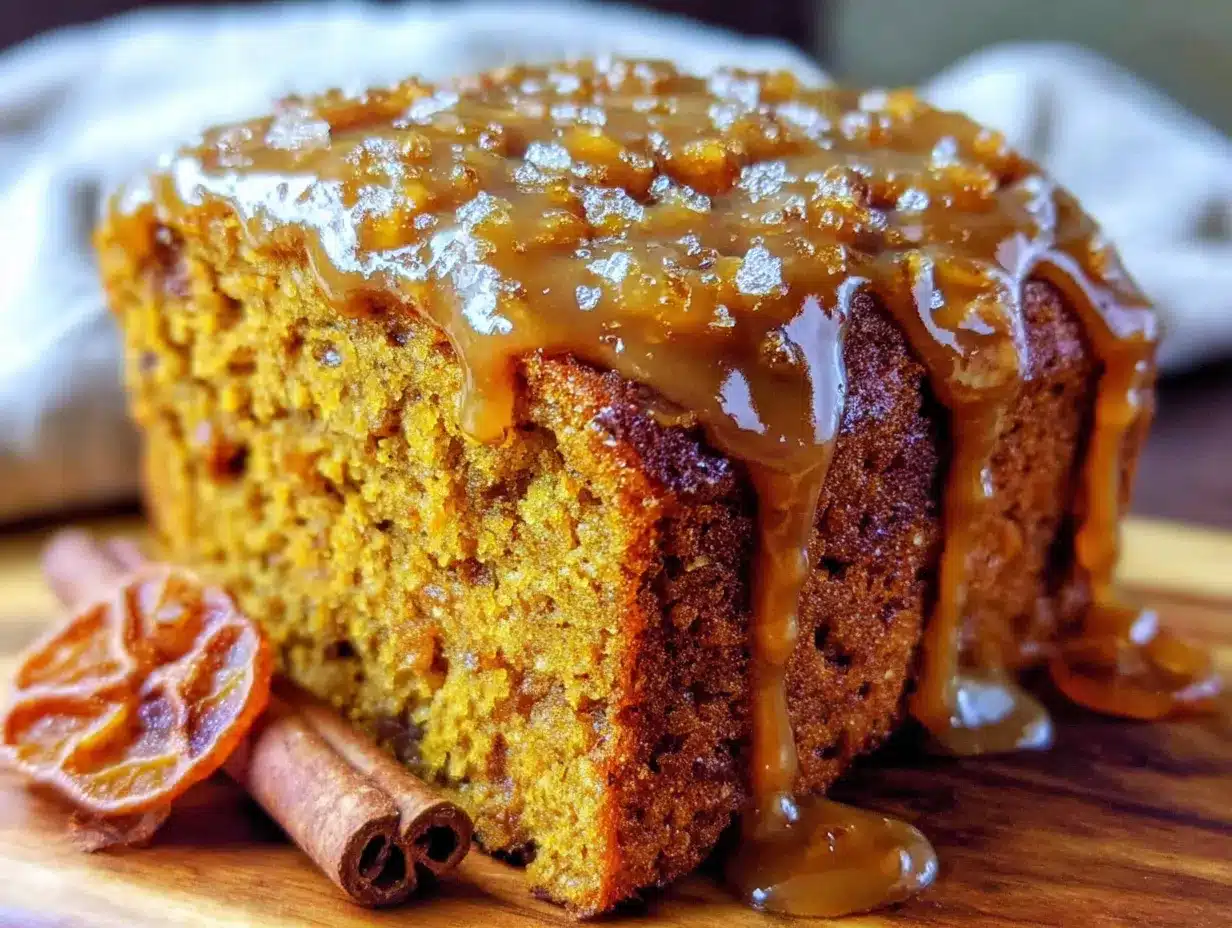
Presentation Tips for Hosting : When I’m serving this for a dinner party or holiday gathering, I place the glazed loaf on a beautiful wooden cutting board or a cake stand. I slice it at the table so everyone can see that gorgeous crumb and the glaze dripping down the sides. A dusting of extra cinnamon on top of the glaze adds a lovely visual touch. I also like to serve it with a small bowl of lightly sweetened whipped cream or a scoop of vanilla ice cream on the side.
What to Serve Alongside : This persimmon bread is wonderful on its own, but it pairs beautifully with a cup of hot coffee, a chai latte, or a glass of cold milk. For a brunch spread, serve it alongside a frittata, fresh fruit salad, and some crispy bacon. The sweetness of the bread balances the savory elements perfectly.
Storing the Bread : Store the glazed persimmon bread in an airtight container at room temperature for up to 3 days. If you live in a humid climate, it’s better to store it in the refrigerator to prevent the glaze from getting sticky. The bread will stay moist and delicious for up to 5 days in the fridge. Just bring it to room temperature before serving.
Freezing Instructions : This bread freezes beautifully. If you plan to freeze it, I recommend freezing it unglazed. Wrap the completely cooled loaf tightly in plastic wrap, then in a layer of aluminum foil. Freeze for up to 3 months. When you’re ready to serve, thaw it overnight in the refrigerator, then bring it to room temperature and make the glaze fresh. The glaze is so quick to make that it’s worth doing it the day you plan to serve. I’ve done this for holiday parties and nobody ever guesses it wasn’t baked that morning.
How Flavors Develop : Honestly, this persimmon bread tastes even better the day after it’s baked. The spices have time to meld with the persimmon, and the texture becomes even more moist and tender. If you can resist eating it right away, wrap it up and let it sit overnight. You’ll be rewarded with an even more flavorful loaf.
Nutritional Information & Benefits
I’m not a nutritionist, but I love knowing what’s in my food. Here’s a rough breakdown of what you’re getting in each slice of this persimmon bread, based on 12 servings.
| Nutrient | Amount Per Serving |
|---|---|
| Calories | 320 |
| Total Fat | 12g |
| Saturated Fat | 7g |
| Cholesterol | 55mg |
| Sodium | 220mg |
| Total Carbohydrates | 52g |
| Dietary Fiber | 2g |
| Sugars | 35g |
| Protein | 4g |
Persimmons are a nutritional powerhouse. They’re packed with vitamin A, which is great for your eyes and immune system, and they’re a good source of vitamin C and fiber. The cinnamon in this recipe isn’t just for flavor—it’s known for its anti-inflammatory properties and can help regulate blood sugar. Of course, this is still a treat, so enjoy it in moderation. But honestly, knowing there’s real fruit in there makes me feel a little better about having a second slice.
Dietary Considerations : This recipe contains gluten, dairy, and eggs. For gluten-free and dairy-free options, check the variations section above. It is vegetarian-friendly.
Conclusion
This persimmon bread with brown sugar cinnamon glaze is more than just a recipe to me. It’s the result of years of trial and error, of stubbornly refusing to let a memory fade. Every time I bake it, I think about that little bakery in Portland and the way that first bite made me feel—warm, comforted, and completely at home. Now, I get to share that feeling with everyone I bake it for.
I hope you’ll give this recipe a try, whether you’re a seasoned baker or someone who’s never touched a persimmon in your life. Don’t be afraid to make it your own—add some nuts, swap the spices, or double the glaze (I won’t judge). The best recipes are the ones that evolve with you, and this one has certainly evolved with me.
When you make it—and I really hope you do—come back and let me know how it turned out. Did you change anything? Did your family love it? Did you finally figure out what to do with those persimmons sitting on your counter? I’d love to hear your story. Leave a comment below, share a photo, or tag me on social media. Happy baking, friends.
And if you’re looking for another showstopper for your next gathering, you might want to try our cranberry orange walnut bread—it’s another fall favorite that always disappears fast.
Frequently Asked Questions
Can I use Hachiya persimmons instead of Fuyu?
You can, but they must be incredibly soft—almost jelly-like inside. Hachiya persimmons are very astringent when not fully ripe and will make your bread taste unpleasant. Fuyu persimmons are much easier to work with for this recipe because they’re sweet even when firm, and they become perfectly soft when ripe. If you use Hachiyas, make sure they’re so soft they feel like a water balloon, and puree them completely.
How do I know when my persimmons are ripe enough?
Ripe Fuyu persimmons should yield to gentle pressure, similar to a ripe peach or tomato. The skin will be a deep, vibrant orange and may have a few small brown spots—that’s a sign of sweetness. If they’re still hard, let them sit at room temperature for a few days. You can speed up the ripening process by placing them in a paper bag with a banana or apple.
Can I make this persimmon bread without a food processor?
Absolutely. If you don’t have a food processor or blender, you can mash the persimmons by hand using a fork or a potato masher. The puree won’t be as smooth, but it will still work perfectly. Just make sure you peel the persimmons first and mash them thoroughly until no large chunks remain. I’ve done it this way and the bread still turned out beautifully.
Why did my bread sink in the middle?
A sunken middle is usually a sign that the bread was underbaked or the oven temperature was too low. Make sure your oven is properly preheated to 350°F and that you’re using an oven thermometer to verify the temperature. Also, don’t open the oven door during the first 40 minutes of baking, as the rush of cold air can cause the bread to collapse. Finally, check for doneness with a toothpick or an instant-read thermometer before removing it from the oven.
Can I double this recipe?
Yes, this recipe doubles beautifully. You can bake it in two 9×5-inch loaf pans. Just make sure your oven can accommodate both pans on the same rack with at least 2 inches of space between them and the oven walls. The baking time may be slightly longer, so start checking at the 55-minute mark. You can also freeze one loaf for later—just remember to freeze it unglazed and make the glaze fresh when you’re ready to serve.
Pin This Recipe!
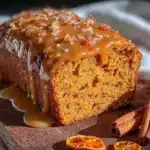
The Best Persimmon Bread with Brown Sugar Glaze
- Total Time: 1 hour 20 minutes
- Yield: 12 servings 1x
Description
This persimmon bread with brown sugar cinnamon glaze is the kind of thing that makes you close your eyes after the first bite. The sweetness from the fruit is backed by warm spices, and that glaze seeps into the cracks and creates little pockets of caramelized heaven.
Ingredients
- 2 cups all-purpose flour
- 1 teaspoon baking soda
- 1/2 teaspoon baking powder
- 1/2 teaspoon salt
- 1 teaspoon ground cinnamon
- 1/2 teaspoon ground nutmeg
- 1/4 teaspoon ground cloves
- 1 cup granulated sugar
- 1/2 cup packed brown sugar
- 1/2 cup unsalted butter, melted and cooled
- 2 large eggs, room temperature
- 1 teaspoon vanilla extract
- 1 1/2 cups persimmon puree (about 3–4 very ripe Fuyu persimmons)
- 1/2 cup packed brown sugar (for glaze)
- 2 tablespoons unsalted butter (for glaze)
- 2 tablespoons milk (for glaze)
- 1/2 teaspoon ground cinnamon (for glaze)
- 1/2 cup powdered sugar (for glaze)
- 1/4 teaspoon vanilla extract (for glaze)
Instructions
- Prepare your persimmon puree: Wash persimmons, cut off the green calyx, peel, remove any seeds, and blend until smooth. Set aside.
- Preheat oven to 350°F (175°C). Line a 9×5-inch loaf pan with parchment paper, leaving overhang on the long sides. Lightly spray with non-stick spray or grease with butter.
- In a large bowl, whisk together flour, baking soda, baking powder, salt, cinnamon, nutmeg, and cloves.
- In a separate medium bowl, whisk together granulated sugar and brown sugar. Add melted butter and whisk until combined. Add eggs and vanilla, whisk until smooth and slightly thickened. Add persimmon puree and whisk until fully incorporated.
- Pour wet ingredients into dry ingredients. Fold gently with a rubber spatula until just combined (a few lumps are fine). Do not overmix.
- Pour batter into prepared loaf pan and spread evenly. Tap pan gently on counter to release air bubbles.
- Bake for 55-65 minutes, until a toothpick inserted in center comes out clean or with a few moist crumbs. If top browns too quickly, tent with foil after 40 minutes.
- Remove from oven and cool in pan on a wire rack for 15 minutes. Then lift bread out using parchment and cool completely on rack.
- While bread cools, make glaze: In a small saucepan over medium heat, combine brown sugar, butter, and milk. Stir constantly until butter melts and mixture is smooth and bubbling (2-3 minutes). Remove from heat, whisk in cinnamon and vanilla. Let cool 2 minutes, then gradually whisk in powdered sugar until smooth and thick. Adjust consistency with more milk or powdered sugar if needed.
- Once bread is completely cool, place on serving plate or wire rack over baking sheet. Pour warm glaze over top, letting it drip down sides. Let set about 10 minutes before slicing.
Notes
Use very ripe Fuyu persimmons for best texture. Do not overmix batter. Glaze should be applied to completely cooled bread. Bread tastes even better the next day. Freezes well unglazed for up to 3 months.
- Prep Time: 20 minutes
- Cook Time: 60 minutes
- Category: Dessert
- Cuisine: American
Nutrition
- Serving Size: 1 slice
- Calories: 320
- Sugar: 35
- Sodium: 220
- Fat: 12
- Saturated Fat: 7
- Carbohydrates: 52
- Fiber: 2
- Protein: 4
Keywords: persimmon bread, brown sugar glaze, fall baking, quick bread, persimmon recipe, holiday bread