I was standing in the produce aisle last November, staring at a bin of butternut squash, when the smell hit me. It wasn’t the squash—it was a memory, sharp and sudden. I was seven years old at my Aunt Carmen’s farmhouse kitchen, and she was pulling a roasting pan from the oven. The air turned sweet and nutty, and I remember thinking, even then, that this smelled like a hug. She’d toss the squash with maple syrup—the real stuff from her neighbor’s trees—and scatter these tiny, jewel-like seeds on top. I never knew what they were called. I just knew they popped in my mouth and made everything feel special.
Aunt Carmen passed a few years ago, and I haven’t been back to that farmhouse since. But every fall, I find myself chasing that moment. The first few times I tried to make it, I got close but not quite there. The squash was either too mushy or not caramelized enough. The seeds would get lost. Honestly, I messed it up more times than I’d like to admit. Maybe you’ve been there—trying to recreate a dish from memory and it never tastes quite right.
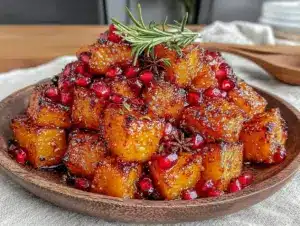
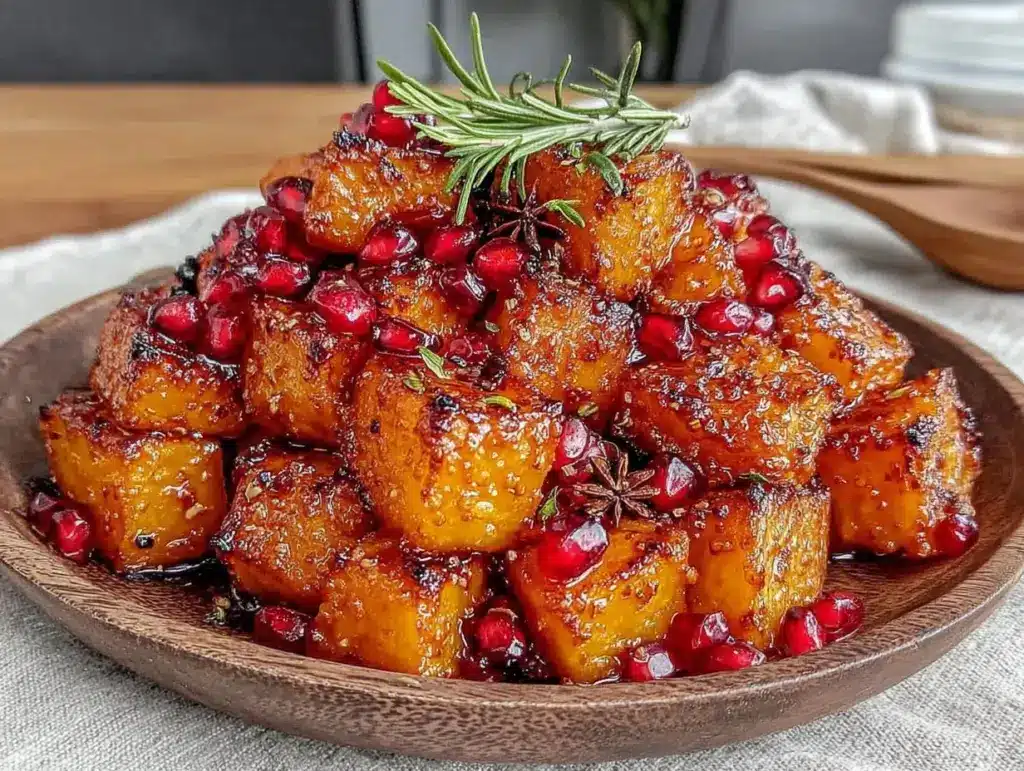
But this version? This is the one. It’s the dish I bring to every Friendsgiving, every holiday potluck, every dinner party where I want to hear someone say, “Wait, what is this? It’s amazing.” It’s sweet, a little tangy, and the pomegranate seeds add this pop of color that makes the whole table look fancier than it is. And the best part? It’s almost laughably simple to throw together. So let me show you how to make the maple roasted butternut squash that finally, finally tastes like that November afternoon.
Why You’ll Love This Recipe
This isn’t just another roasted squash recipe—it’s the one that disappears first at every gathering. I’ve brought it to a Thanksgiving dinner for twelve and a casual potluck for twenty, and both times, people were scraping the pan. Here’s why it works so well:
- Incredibly Simple Ingredients: You need a butternut squash, maple syrup, olive oil, salt, pepper, and pomegranate seeds. That’s it. No weird spice blends or trips to a specialty store.
- Perfect for Hosting: This dish is a showstopper on the table. The deep orange squash against the bright red pomegranate seeds—it just looks like you tried really hard. And you barely did.
- Make-Ahead Friendly: You can roast the squash a day ahead and toss the pomegranate seeds on right before serving. This is a lifesaver when you’re juggling a million things before guests arrive.
- Crowd-Pleaser: I’ve served this to picky eaters, vegans, gluten-free friends, and meat-lovers. Everyone loves it. It’s sweet, savory, and has that satisfying texture contrast.
- Unbelievably Delicious: The maple syrup caramelizes on the squash, creating these sticky, golden edges. The pomegranate seeds burst with tart juice that cuts through the sweetness. It’s the kind of side dish that steals the show from the main course.
What makes this different from every other roasted squash recipe out there is the technique. I roast the squash at a high temperature—425°F—and I don’t overcrowd the pan. This ensures the squash gets those gorgeous caramelized edges instead of steaming into mush. Plus, I toss the pomegranate seeds in at the very end, so they stay bright and pop in your mouth. It’s a small detail, but it makes all the difference.
What Ingredients You Will Need
This crowd-pleasing maple roasted butternut squash uses simple, wholesome ingredients to deliver bold flavor and a stunning presentation. Most of these are pantry staples, but a few are worth seeking out for the best result.
- 1 large butternut squash (about 3 pounds) — Peeled, seeded, and cut into 1-inch cubes. Look for a squash that feels heavy for its size with a firm, unblemished skin. I prefer to buy pre-cut cubes from the store when I’m short on time, but whole squash is usually cheaper and fresher.
- 3 tablespoons pure maple syrup — Please, please use real maple syrup, not pancake syrup. The flavor is deeper and less cloying. I like Grade A Dark Amber for a more robust taste. (It’s what Aunt Carmen used, and she would not approve of imitations.)
- 2 tablespoons olive oil — A good-quality extra virgin olive oil works, but regular olive oil is fine too. You just need something with a neutral flavor and a high smoke point.
- 1 teaspoon kosher salt — I use Diamond Crystal brand. If you’re using table salt, cut it back to ½ teaspoon. Salt brings out the natural sweetness of the squash.
- ½ teaspoon black pepper — Freshly ground is best, but pre-ground works in a pinch.
- ½ cup fresh pomegranate seeds (arils) — These are the stars of the show. You can buy them pre-packaged in the produce section, which saves a ton of time. If you’re seeding a whole pomegranate, do it in a bowl of water to prevent splatters—trust me on this one.
- Optional garnish: 2 tablespoons fresh parsley or mint, chopped — This adds a fresh, green pop of color and a little herby contrast. I usually skip it for a more rustic look, but it’s nice for a dinner party.
- Optional add-in: ¼ cup crumbled feta cheese — I know, I know, it’s not traditional. But the salty, creamy feta against the sweet squash and tart pomegranate is absolutely killer. I add this when I’m serving it to adults only.
Ingredient Selection Tip: For the pomegranate seeds, look for packages that feel heavy with juice and have no brown or mushy seeds. If you’re seeding a pomegranate yourself, choose one that’s heavy and has a deep red color—it’ll be the juiciest.
Equipment Needed
You don’t need a lot of fancy gear for this recipe, which is part of the beauty. Here’s what you’ll need:
- Large baking sheet (half-sheet pan, 18×13 inches) — This is non-negotiable. You need enough space to spread the squash in a single layer. If you crowd the pan, the squash will steam instead of caramelize. I use a heavy-duty aluminum sheet pan because it distributes heat evenly and doesn’t warp.
- Chef’s knife — A sharp, sturdy knife makes cutting through a butternut squash so much easier. I learned the hard way that a dull knife is dangerous here.
- Vegetable peeler — A standard Y-shaped peeler works best for removing the tough skin of the squash.
- Large bowl — For tossing the squash with oil and maple syrup.
- Spatula or wooden spoon — For stirring the squash halfway through roasting.
- Small knife or kitchen shears — If you’re seeding a pomegranate, these help cut the crown off and break it into sections.
Budget-Friendly Tip: If you don’t have a half-sheet pan, use two smaller baking sheets instead. The key is the single layer, not the pan size.
Preparation Method
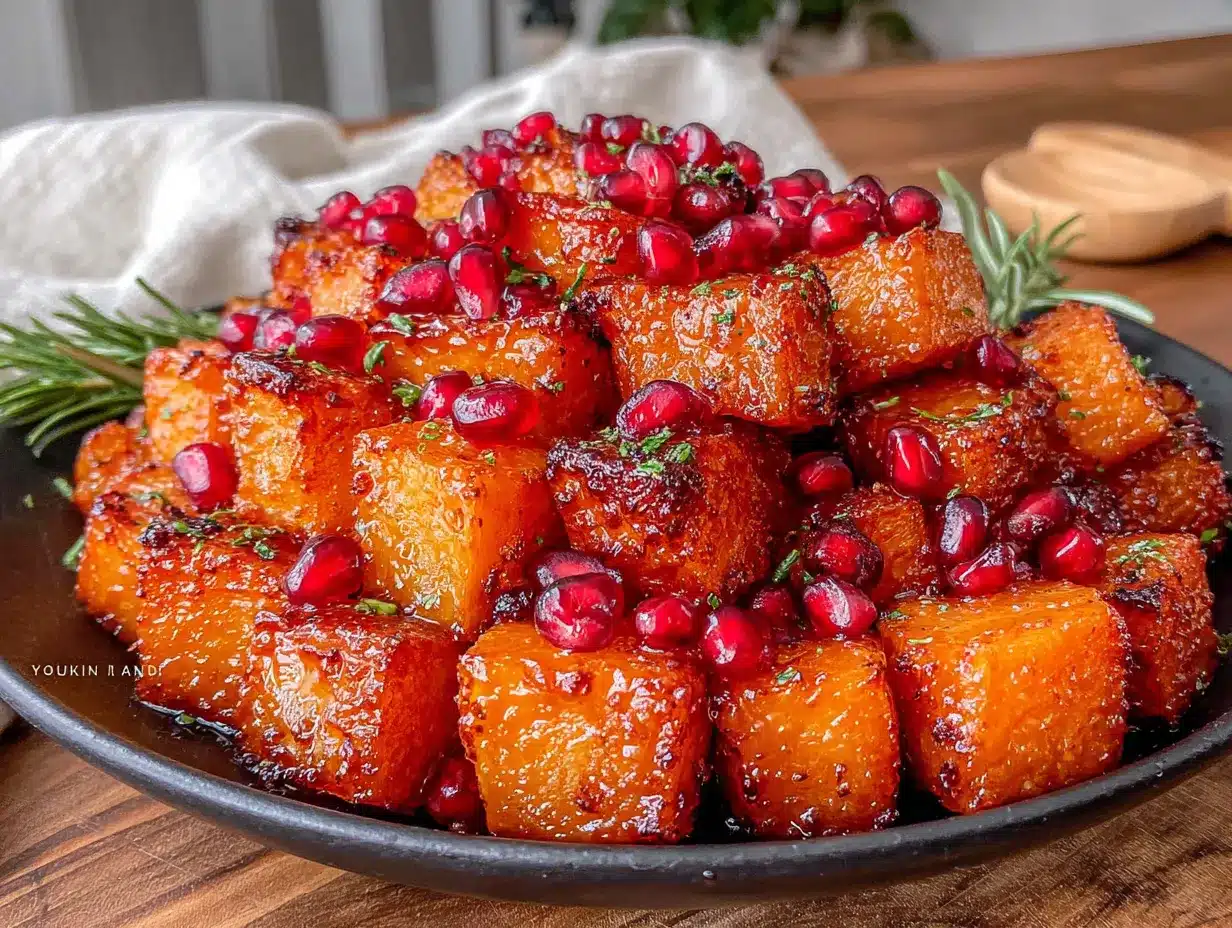
This recipe comes together quickly, especially if you prep the squash in advance. Here’s how to make it perfect every time.
- Preheat your oven to 425°F (220°C). Place a rack in the middle of the oven. Getting the oven hot is crucial for that caramelization.
- Prepare the butternut squash. Using a sharp chef’s knife, carefully cut off both ends of the squash. Then, cut it in half crosswise where the narrow neck meets the bulbous bottom. Use a vegetable peeler to remove the tough skin from both pieces. It’s okay if there are a few thin green stripes left—they soften during roasting. Cut the neck into 1-inch cubes. Scoop the seeds out of the bulbous section with a spoon, then cut that into similar-sized cubes. Aim for uniform pieces so they cook evenly.
- Toss the squash with oil and seasonings. In a large bowl, combine the cubed squash, olive oil, maple syrup, kosher salt, and black pepper. Use your hands or a spatula to toss everything until every piece is evenly coated. The squash should look glossy and lightly coated, not swimming in liquid.
- Spread on a baking sheet. Arrange the squash cubes in a single, even layer on your large baking sheet. Make sure they aren’t touching each other too much—give them room to breathe. If some pieces overlap, the ones underneath will steam instead of roast.
- Roast for 25-30 minutes, flipping halfway. Place the pan in the oven and roast for 15 minutes. Then, remove the pan, use a spatula to flip the squash pieces, and return to the oven for another 10-15 minutes. The squash is done when it’s fork-tender and the edges are deeply caramelized and golden brown. Some pieces might have darker, almost charred spots—that’s where the magic is.
- Let it cool slightly. Remove the pan from the oven and let the squash rest for 2-3 minutes. This allows the caramelized sugars to set.
- Add the pomegranate seeds. Transfer the roasted squash to a serving platter. Scatter the fresh pomegranate seeds evenly over the top. If you’re using the optional feta or fresh herbs, add them now. The residual heat from the squash will slightly warm the pomegranate seeds, but they’ll still pop with that fresh burst of tartness.
- Serve immediately or at room temperature. This dish is delicious hot, warm, or even at room temperature—which makes it perfect for potlucks. I actually think the flavors meld together beautifully after it sits for 10-15 minutes.
Sensory Cue: When you flip the squash at the halfway mark, look for the bottoms to be a deep, sticky amber. The kitchen should smell like caramel and roasting nuts. If you don’t see that color, give it another 5 minutes before flipping.
Cooking Tips & Techniques
I’ve made this dish probably twenty times now, and I’ve learned a few things the hard way. Here are my best tips to make sure yours turns out perfectly.
Don’t skip the high heat. 425°F is the sweet spot. Any lower, and the squash will slowly steam and turn mushy. Any higher, and the maple syrup might burn before the inside is cooked. I tried roasting at 400°F once because I was multitasking, and the result was edible but not memorable. The caramelization just wasn’t there.
Pat the squash dry if it’s wet. Sometimes after peeling and cutting, the squash releases moisture. If it feels damp, pat it dry with a paper towel before tossing it with the oil and maple syrup. This helps the caramelization happen faster and more evenly.
Use a metal spatula to flip. A thin metal spatula slides under the caramelized bits better than a rubber spatula. You want to scrape up all those delicious browned edges and flip them over. I ruined a batch once by using a plastic spatula that just pushed the squash around.
Don’t add the pomegranate seeds too early. I made this mistake the first time I brought it to a dinner party. I tossed the seeds in right after roasting, and by the time we ate an hour later, they had softened and bled pink juice all over the squash. It still tasted good, but it looked like a mess. Always add them right before serving.
Scale up easily for a crowd. This recipe doubles beautifully. Just use two baking sheets and rotate them halfway through roasting. If you’re serving a big group, you can roast the squash up to a day in advance, store it in the fridge, and reheat it in a 350°F oven for 10 minutes before adding the pomegranate seeds.
Variations & Adaptations
This recipe is a fantastic base, and it’s easy to tweak based on what you have or who you’re serving. Here are a few variations I’ve tried and loved.
- Savory Herb Version: Skip the maple syrup and toss the squash with olive oil, salt, pepper, and 1 teaspoon of dried rosemary or thyme. Roast as directed, then top with pomegranate seeds and a drizzle of balsamic glaze. This is my go-to for a more savory side dish that pairs beautifully with roasted chicken.
- Spicy Maple Version: Add ¼ teaspoon of cayenne pepper or red pepper flakes to the maple syrup mixture before tossing. The heat sneaks up on you and balances the sweetness perfectly. I served this at a taco night once, and it was a huge hit.
- Maple-Roasted Sweet Potatoes: If you can’t find butternut squash, sweet potatoes work wonderfully. Cut them into 1-inch cubes and follow the exact same method. The flavor is slightly different—sweeter and earthier—but just as delicious.
- Nutty Crunch Version: After roasting, sprinkle ¼ cup of toasted pecans or walnuts over the top along with the pomegranate seeds. The added crunch is fantastic, and it makes the dish feel even more festive. Just make sure your guests don’t have nut allergies.
- Dairy-Free and Vegan: This recipe is already dairy-free and vegan as written! Just skip the optional feta cheese, and you’re good to go. It’s naturally gluten-free too.
Personal Variation: I once made this for a Christmas Eve dinner and swapped the pomegranate seeds for dried cranberries and orange zest. It was a happy accident—I had forgotten to buy pomegranates—and the tart cranberries and bright orange were a wonderful substitute.
Serving & Storage Suggestions
This maple roasted butternut squash is incredibly versatile when it comes to serving. Here’s how to make it shine at your next gathering.
Serving Temperature: Serve it warm or at room temperature. I actually prefer it after it’s sat for 10-15 minutes—the flavors settle and the squash becomes even more tender. If you’re hosting, you can roast it, let it rest on the counter, and add the pomegranate seeds just before your guests sit down.
What to Serve Alongside: This dish is a natural partner for roast chicken, turkey, pork tenderloin, or even a hearty grain bowl. For a holiday spread, I love it alongside mashed potatoes, green bean casserole, and a simple salad. For a more casual dinner, it pairs beautifully with grilled sausages or a lentil stew.
Presentation Tips: Transfer the roasted squash to a wide, shallow serving platter instead of a deep bowl. This shows off the caramelized edges and the bright pomegranate seeds. Sprinkle the seeds evenly, and if you’re using fresh herbs, scatter them on top for a pop of green. A final drizzle of extra maple syrup or a sprinkle of flaky sea salt right before serving can make it look extra special.
Storage Instructions: Store leftovers in an airtight container in the refrigerator for up to 4 days. The pomegranate seeds will soften over time, so if you’re making this ahead, store the roasted squash and seeds separately and combine them just before reheating.
Reheating Methods: The best way to reheat is in a 350°F oven for 5-10 minutes, spread out on a baking sheet. This helps re-crisp the edges. You can also microwave it, but the squash will be softer and lose some of that caramelized texture. I don’t recommend freezing this dish—the squash becomes watery and the pomegranate seeds turn mushy.
How Flavors Develop: This dish is actually delicious the next day. The maple flavor seeps deeper into the squash, and the saltiness becomes more pronounced. It’s a great make-ahead option for a busy holiday week.
Nutritional Information & Benefits
This recipe is not only delicious but also packed with nutrients. Here’s a quick look at what you’re getting per serving (approximately 1 cup, without optional feta).
| Nutrient | Amount per Serving |
|---|---|
| Calories | ~180 |
| Total Fat | 7g |
| Saturated Fat | 1g |
| Sodium | 300mg |
| Total Carbohydrates | 32g |
| Dietary Fiber | 5g |
| Sugars | 16g (naturally occurring) |
| Protein | 2g |
| Vitamin A | 200% DV |
| Vitamin C | 35% DV |
| Potassium | 10% DV |
Health Benefits: Butternut squash is loaded with vitamin A (beta-carotene), which is great for eye health and immunity. Pomegranate seeds are packed with antioxidants and vitamin C. The olive oil provides healthy monounsaturated fats. This dish is naturally gluten-free, dairy-free, and vegan, making it a great option for guests with dietary restrictions. The only potential allergen to note is the optional feta cheese (dairy) or nuts (if you add the pecan variation).
Personal Wellness Perspective: I love that this side dish feels indulgent—thanks to the maple syrup—but is actually really good for you. It’s the kind of recipe that makes you feel like you’re treating yourself while nourishing your body at the same time.
Conclusion
This crowd-pleasing maple roasted butternut squash with pomegranate seeds is more than just a recipe—it’s a little piece of my childhood that I get to share with the people I love. It’s the dish I bring when I want to impress without stress, the one that makes people lean in and ask for the recipe before they’ve even finished their first bite.
I hope you make it your own. Maybe you’ll add a sprinkle of cinnamon or a handful of toasted pecans. Maybe you’ll serve it at your Thanksgiving table or bring it to a weeknight dinner with friends. Whatever you do, I promise it will be delicious. And if you make it, I’d love to hear how it turned out—drop a comment below and let me know what you thought. Did you add any twists? Did your guests go wild for it? Share your stories and photos. I read every single one.
Until next time, happy cooking—and don’t forget to save room for seconds.
Frequently Asked Questions
Can I use frozen butternut squash for this recipe?
I don’t recommend it. Frozen squash releases a lot of water as it thaws, which will prevent it from caramelizing properly. You’ll end up with steamed, mushy squash instead of those beautiful golden edges. Stick with fresh squash for the best results.
How do I cut a butternut squash safely?
This is a common concern, and for good reason—butternut squash is tough. Start by cutting off both ends to create flat, stable surfaces. Then, cut the squash in half crosswise where the narrow neck meets the bulb. Peel each piece with a vegetable peeler before cutting into cubes. Always use a sharp chef’s knife and a stable cutting board. If the squash is particularly hard, you can microwave it whole for 2 minutes to soften it slightly.
Can I make this recipe ahead of time?
Absolutely. You can roast the squash up to a day in advance. Let it cool completely, then store it in an airtight container in the refrigerator. When you’re ready to serve, reheat it in a 350°F oven for 10 minutes, then add the pomegranate seeds and any garnishes right before serving. Do not add the seeds ahead of time—they’ll bleed and soften.
What can I use instead of pomegranate seeds?
If pomegranates aren’t in season, dried cranberries are an excellent substitute. They offer a similar tartness and chewy texture. You could also try fresh or frozen raspberries, though they’re softer and won’t have the same pop. For a completely different twist, try toasted pine nuts or chopped dried apricots.
How do I keep the maple syrup from burning?
The key is to not use too much syrup and to roast at the right temperature. Three tablespoons for a whole squash is plenty—any more, and it will pool on the pan and burn. Also, make sure your squash cubes are evenly coated but not swimming in the mixture. Roasting at 425°F and flipping halfway through ensures even caramelization without burning. If your oven runs hot, check the squash at the 20-minute mark.
Pin This Recipe!
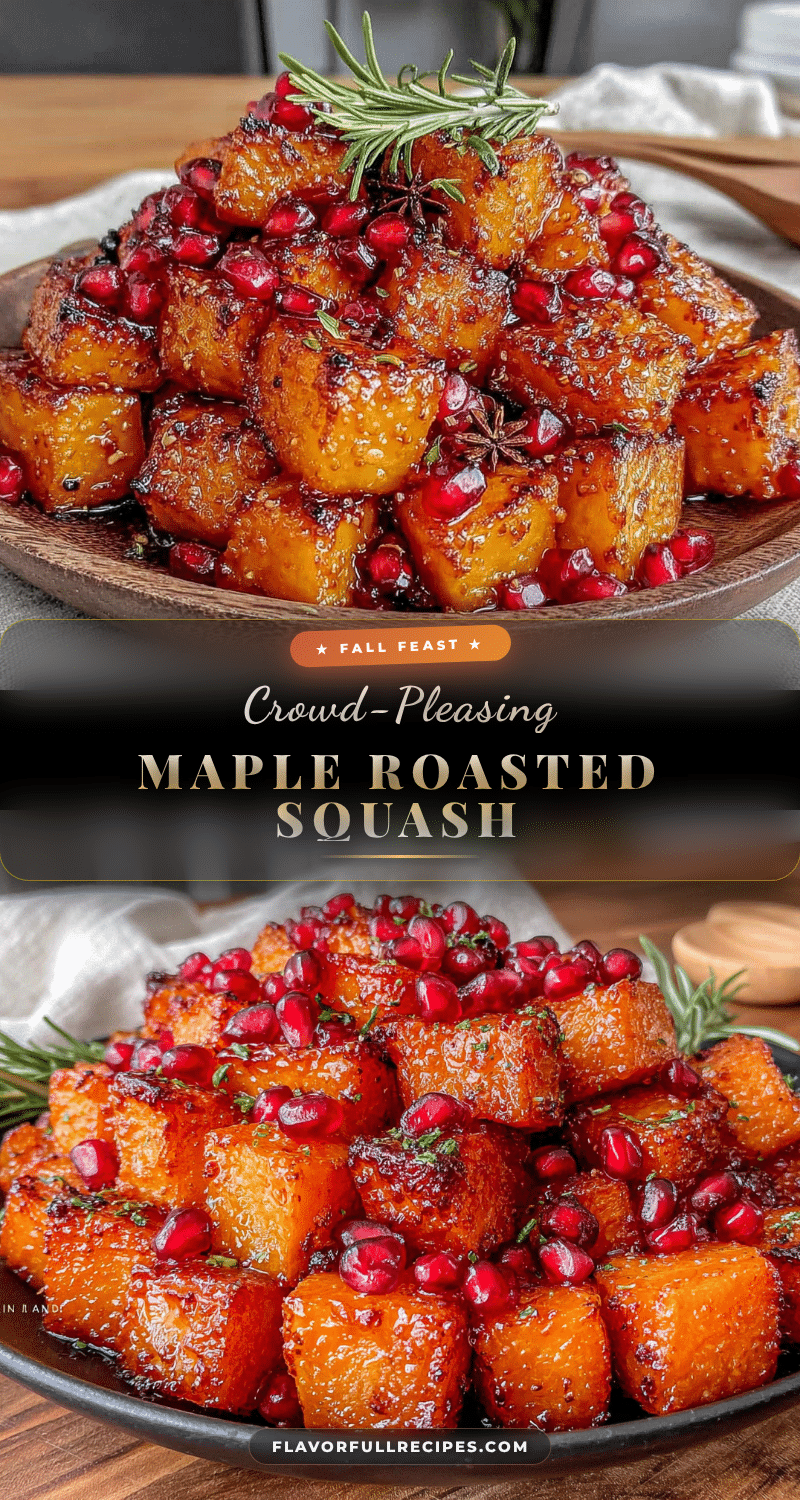
Maple Roasted Butternut Squash with Pomegranate – Easy Side Dish
- Total Time: 45 minutes
- Yield: 4 servings 1x
Description
This crowd-pleasing maple roasted butternut squash with pomegranate seeds is sweet, a little tangy, and the pomegranate seeds add a pop of color that makes the whole table look fancier than it is. It’s almost laughably simple to throw together.
Ingredients
- 1 large butternut squash (about 3 pounds), peeled, seeded, and cut into 1-inch cubes
- 3 tablespoons pure maple syrup
- 2 tablespoons olive oil
- 1 teaspoon kosher salt
- ½ teaspoon black pepper
- ½ cup fresh pomegranate seeds (arils)
- Optional garnish: 2 tablespoons fresh parsley or mint, chopped
- Optional add-in: ¼ cup crumbled feta cheese
Instructions
- Preheat your oven to 425°F (220°C). Place a rack in the middle of the oven.
- Prepare the butternut squash: Using a sharp chef’s knife, carefully cut off both ends of the squash. Then, cut it in half crosswise where the narrow neck meets the bulbous bottom. Use a vegetable peeler to remove the tough skin from both pieces. Cut the neck into 1-inch cubes. Scoop the seeds out of the bulbous section with a spoon, then cut that into similar-sized cubes.
- Toss the squash with oil and seasonings: In a large bowl, combine the cubed squash, olive oil, maple syrup, kosher salt, and black pepper. Use your hands or a spatula to toss everything until every piece is evenly coated.
- Spread on a baking sheet: Arrange the squash cubes in a single, even layer on your large baking sheet. Make sure they aren’t touching each other too much.
- Roast for 25-30 minutes, flipping halfway: Place the pan in the oven and roast for 15 minutes. Then, remove the pan, use a spatula to flip the squash pieces, and return to the oven for another 10-15 minutes. The squash is done when it’s fork-tender and the edges are deeply caramelized and golden brown.
- Let it cool slightly: Remove the pan from the oven and let the squash rest for 2-3 minutes.
- Add the pomegranate seeds: Transfer the roasted squash to a serving platter. Scatter the fresh pomegranate seeds evenly over the top. If using optional feta or fresh herbs, add them now.
- Serve immediately or at room temperature.
Notes
Don’t skip the high heat (425°F). Pat the squash dry if it’s wet. Use a metal spatula to flip. Don’t add the pomegranate seeds too early—add them right before serving. This recipe doubles beautifully; use two baking sheets and rotate halfway through.
- Prep Time: 15 minutes
- Cook Time: 30 minutes
- Category: Side Dish
- Cuisine: American
Nutrition
- Serving Size: 1 cup
- Calories: 180
- Sugar: 16
- Sodium: 300
- Fat: 7
- Saturated Fat: 1
- Carbohydrates: 32
- Fiber: 5
- Protein: 2
Keywords: maple roasted butternut squash, butternut squash with pomegranate, easy side dish, holiday side dish, vegan side dish, gluten-free side dish