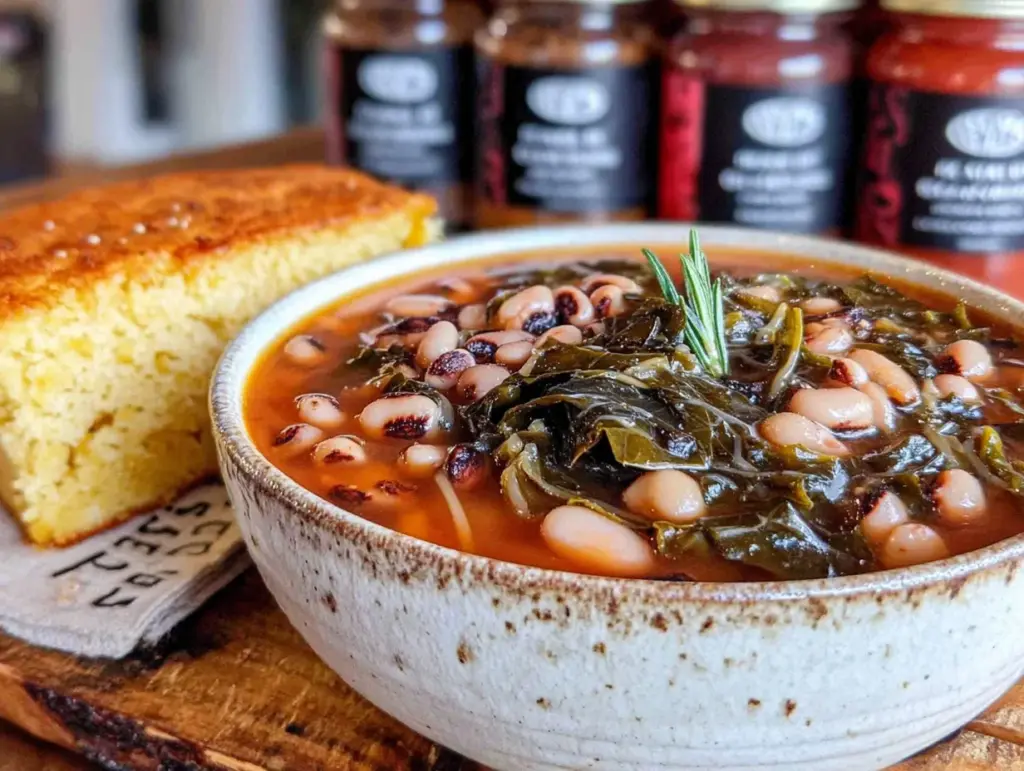
There used to be a tiny Southern soul food spot on a side street in Durham, North Carolina, called Miss Pearl’s Kitchen. It was nothing fancy—just a few mismatched tables and a chalkboard menu that smelled like bacon and history. Every New Year’s Day, my friends and I would cram in there, and Miss Pearl herself would bring out a bowl of her black-eyed pea and collard greens soup. It was dark, brothy, and tasted like luck you could actually eat. When she retired and the place closed three years ago, I honestly felt a little lost. Where was I supposed to get my good fortune now?
After nine tries—some too watery, one where the collards turned into sad green mush—I finally cracked it. This Lucky Black-Eyed Pea & Collard Greens Soup is my faithful recreation of that bowl I used to chase down every January 1st. It’s rich, smoky, and packed with the two most iconic Southern good-luck ingredients. The peas bring you prosperity, the greens bring you money, and the broth brings you warmth on a cold winter day. I mean, maybe you’ve been there—that feeling of losing a place that felt like home and having to rebuild it in your own kitchen?
The first time I made this version, I actually teared up a little. It was a Tuesday night, not even New Year’s, and I was just testing it. My neighbor, an older guy named Earl, knocked on my door because he smelled the smoked turkey. I handed him a bowl, and he said, “That’s it. That’s Miss Pearl’s.” I knew then I had to share this recipe. So here it is—the soup that brings the luck, the memories, and the best damn start to your year.
Why You’ll Love This Recipe
This isn’t just another bean soup. This is the one that gets requested every single year, and for good reason. Here’s why it’s going to become your new tradition:
- One-Pot Wonder: Everything comes together in a single Dutch oven or stockpot. Less cleanup means more time enjoying your guests or taking a nap before the ball drops.
- Loaded with Flavor, Not Fuss: Smoked turkey or ham hock does all the heavy lifting. You get deep, savory broth without spending hours babysitting the pot.
- Perfect for a Crowd: This recipe scales beautifully. Hosting a New Year’s open house? Double it. Bringing it to a potluck? It travels like a dream.
- Budget-Friendly: Dried black-eyed peas and collard greens are some of the cheapest ingredients in the grocery store. Your wallet will thank you.
- Make-Ahead Magic: Like most soups, this one tastes even better the next day. The flavors meld together overnight into something almost magical.
I’ve tested this recipe for three different New Year’s parties now, and every single time, someone asks for the recipe before they finish their first bowl. It’s that kind of dish—the one that makes you look like a hero in the kitchen without breaking a sweat. Plus, there’s something deeply satisfying about carrying on a tradition that’s been around for generations. You’re not just making soup; you’re making luck.
What Ingredients You Will Need
This recipe uses simple, humble ingredients to create something truly special. Most of these are pantry staples in a Southern kitchen, but you can find them anywhere. Let’s break down what you need and why each one matters.
For the Soup Base
- 1 tablespoon olive oil (for sautéing the aromatics; use avocado oil if you prefer)
- 1 large yellow onion, diced (about 2 cups; this builds the savory foundation)
- 3 cloves garlic, minced (fresh is non-negotiable here—skip the jarred stuff)
- 2 stalks celery, diced (adds that classic mirepoix depth)
- 2 large carrots, peeled and diced (for sweetness and color)
- 1 smoked turkey leg or 2 smoked ham hocks (this is your flavor powerhouse. I prefer turkey leg for a lighter, cleaner taste, but ham hock gives a richer, porkier broth. Both work beautifully)
- 8 cups low-sodium chicken broth or vegetable broth (homemade is great, but store-bought works. Just watch the salt level)
- 2 bay leaves (adds subtle herbal notes that deepen as it simmers)
- 1 teaspoon dried thyme (earthy and aromatic; pairs perfectly with the greens)
- 1/2 teaspoon smoked paprika (brings a hint of smoky warmth without being overpowering)
- 1/4 teaspoon cayenne pepper (optional, but I love the tiny kick. Adjust to your heat tolerance)
- Salt and black pepper to taste (go easy on the salt until the end—the smoked meat adds plenty)
For the Beans and Greens
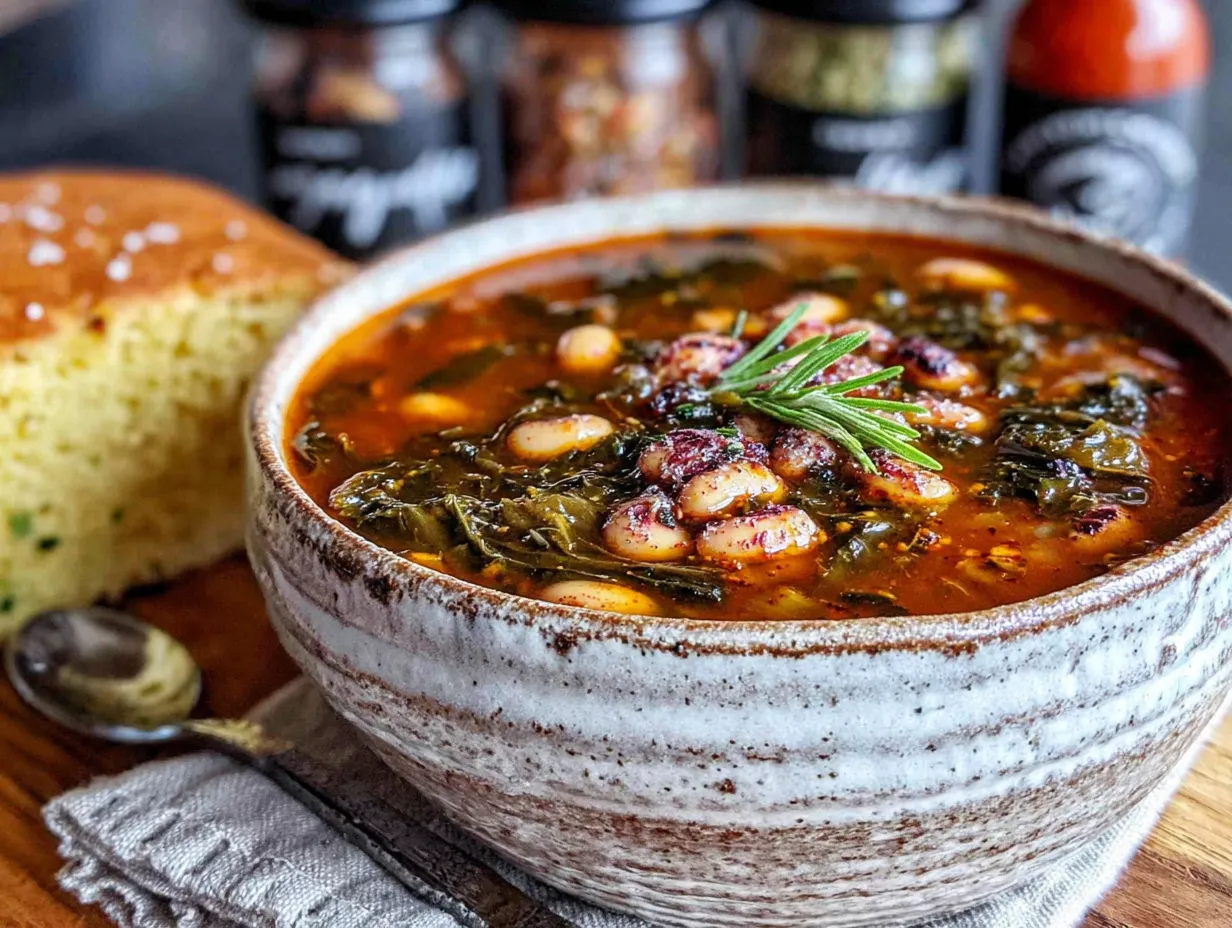
- 1 pound dried black-eyed peas (about 2 cups; no need to soak overnight, but a quick soak helps. I’ll explain below)
- 1 large bunch collard greens (about 1 pound; look for leaves that are deep green and not wilted. You’ll need to strip the stems and chop them)
- 1 tablespoon apple cider vinegar (adds brightness and helps balance the richness. Plus, a little vinegar is traditional with greens)
- Hot sauce for serving (Tabasco or Texas Pete are my go-tos)
Ingredient Selection Tip: For the best texture, I recommend buying dried black-eyed peas from a brand like Camellia or Goya. They hold their shape better than some generic store brands. And for the collards, if you can find them at a farmers’ market, grab them—they’re usually more tender and flavorful than the bagged ones at the supermarket.
Substitution Guidance: If you’re vegetarian, skip the smoked meat and use vegetable broth with a teaspoon of liquid smoke and a tablespoon of smoked paprika. It won’t be exactly the same, but it’ll be darn good. You can also use frozen collard greens in a pinch—just thaw and squeeze out the excess water before adding them.
Equipment Needed
You don’t need a fancy kitchen to make this soup. Here’s what you’ll actually use:
- Large Dutch oven or heavy-bottomed stockpot (6-quart or larger. I use my trusty Lodge enameled Dutch oven—it holds heat evenly and makes cleanup a breeze)
- Sharp chef’s knife (for dicing onions and chopping collards. A dull knife is a recipe for frustration and tears)
- Cutting board (preferably a large wooden one that won’t slide around)
- Wooden spoon or silicone spatula (for stirring without scratching your pot)
- Measuring cups and spoons (for accuracy, though I’ll admit I eyeball the herbs sometimes)
- Colander (for rinsing the black-eyed peas)
- Large bowl (for soaking the peas if you do a quick soak)
- Tongs (for removing the smoked turkey leg or ham hock later)
- Ladle (for serving—obviously)
Budget-Friendly Alternative: If you don’t have a Dutch oven, any large stainless steel pot with a tight-fitting lid will work. Just keep an eye on the heat so nothing scorches on the bottom. I’ve made this in a cheap aluminum stockpot before, and it turned out fine—you just have to stir a little more often.
Preparation Method
Alright, let’s get cooking. This soup takes a little time, but most of it is hands-off simmering. Perfect for a lazy New Year’s Day while you watch the parade or nap on the couch.
- Prep the black-eyed peas. Rinse them in a colander under cold water and pick out any tiny stones or shriveled peas. For a quick soak, place them in a large bowl, cover with 2 inches of water, and let them sit for 1 hour. If you forgot to soak, no worries—you can cook them directly, but they’ll take about 30 minutes longer. Drain and set aside.
- Prep the collard greens. Wash them thoroughly—they can be sandy. Stack a few leaves on top of each other, roll them up like a cigar, and slice crosswise into thin ribbons (this is called a chiffonade). Discard the tough stems. You should have about 6 to 8 cups of chopped greens. Set them aside in a bowl.
- Sauté the aromatics. Heat the olive oil in your Dutch oven over medium heat. Add the diced onion, celery, and carrots. Cook for 5 to 7 minutes, stirring occasionally, until the onions are translucent and the carrots have softened slightly. The kitchen should smell amazing at this point. Add the minced garlic and cook for 1 more minute—don’t let it burn, or it’ll get bitter.
- Add the smoked meat and broth. Place the smoked turkey leg or ham hocks into the pot. Pour in the chicken broth, then add the bay leaves, dried thyme, smoked paprika, and cayenne if using. Stir everything together. Bring the broth to a gentle boil, then reduce the heat to low.
- Simmer the base. Cover the pot and let it simmer for 45 minutes. This gives the smoked meat time to release all that wonderful flavor into the broth. The liquid will turn a beautiful golden-brown. Your whole house will smell like a Southern kitchen.
- Add the black-eyed peas. After 45 minutes, carefully remove the lid and add the drained black-eyed peas. Stir them in, cover again, and continue simmering for 45 minutes to 1 hour, or until the peas are tender but not mushy. Taste one—it should be creamy on the inside but still hold its shape. If the soup gets too thick, add a splash more broth or water.
- Shred the meat. Using tongs, carefully remove the smoked turkey leg or ham hocks from the pot and place them on a cutting board. Let them cool for a few minutes, then shred the meat off the bone, discarding the skin and bones. Don’t skip this step—the shredded meat is gold. Return the meat to the pot and stir.
- Add the collard greens. Stir in the chopped collard greens and the apple cider vinegar. The greens will look like a mountain at first, but they’ll wilt down significantly in about 5 minutes. Let the soup simmer for another 15 to 20 minutes, until the greens are tender but still have a little bite. You don’t want them cooked to death.
- Season and finish. Remove the bay leaves. Taste the soup and add salt and pepper as needed. Remember, the smoked meat adds salt, so go slowly. Stir in a final splash of apple cider vinegar if you want more brightness. Let the soup rest off the heat for 10 minutes before serving—this allows the flavors to settle.
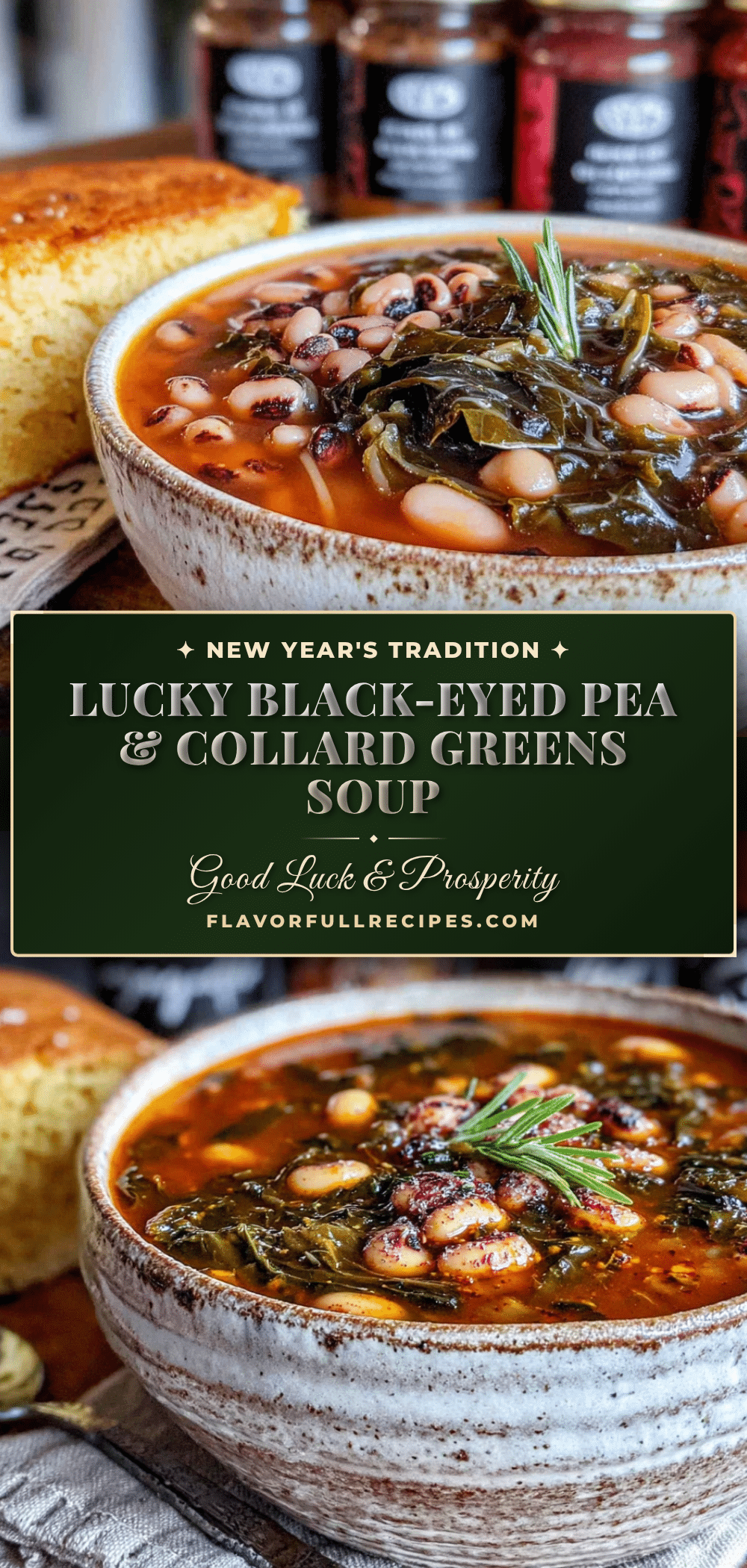
- Serve with style. Ladle the soup into bowls and top with a few dashes of hot sauce. I like to serve it with crusty cornbread for dipping. Pro tip: sprinkle a little extra smoked paprika on top for color, and maybe a few fresh black pepper flakes.
Sensory Cue: When the collards first hit the hot broth, you’ll see them turn a vibrant, deep green. That’s your signal they’re cooking perfectly. The broth should be thick enough to coat the back of a spoon but still brothy—not a stew, but not watery either.
Cooking Tips & Techniques
I’ve made this soup about a dozen times now, and I’ve learned a few things the hard way. Here’s what I wish someone had told me:
- Don’t skip the quick soak. I know, I know—it’s an extra step. But soaking the black-eyed peas for even 30 minutes helps them cook more evenly and reduces the gas factor (your guests will thank you). If you’re really in a rush, you can skip it, but add 30 minutes to the cooking time and expect a few peas to burst open.
- Watch your salt. Smoked turkey and ham hocks are already salty. I learned this the hard way on my second attempt when I seasoned the broth early and ended up with soup that tasted like a salt lick. Always wait until the end to adjust salt. Trust me on this one.
- Shred the meat while it’s warm. Cold smoked meat is a pain to shred. As soon as it’s cool enough to handle, get in there with your fingers or two forks. The meat will be tender and practically fall apart.
- Toast the spices first. This is a little trick I picked up from a chef friend. Before adding the broth, push the vegetables to the side of the pot and toast the smoked paprika and cayenne in the oil for about 30 seconds. It wakes up the flavors in a way that simmering alone can’t achieve.
- Make it a day ahead. This soup is actually better on day two. The flavors meld and deepen overnight. If you’re hosting a New Year’s party, make it on December 30th, refrigerate it, and reheat it gently on the stove. Your future self will thank you.
One more thing: don’t be afraid to taste as you go. I know some people follow a recipe like it’s a legal document, but cooking is about adjusting. If the broth tastes flat, add a splash of vinegar. If it’s too spicy, stir in a spoonful of plain yogurt or a splash of coconut milk. You’re the boss of this soup.
Variations & Adaptations
This recipe is flexible. Here are a few ways to make it your own:
- Vegetarian Version: Omit the smoked meat entirely. Use vegetable broth and add 1 teaspoon of liquid smoke along with an extra tablespoon of smoked paprika. For richness, stir in a can of full-fat coconut milk at the end. It sounds weird, but it works—the coconut adds a creamy body that mimics the fat from the meat.
- Spicy Kick: If you like heat, add a diced jalapeño (seeds and all) when you sauté the aromatics. Or stir in a teaspoon of red pepper flakes along with the spices. My brother-in-law adds a whole chipotle pepper in adobo sauce, and it gives the soup a smoky, fiery depth that’s incredible.
- Greens Swap: Not a fan of collards? Use kale, Swiss chard, or even spinach. Keep in mind that spinach will wilt in about 2 minutes, while kale needs closer to 10. Chard is somewhere in between. Each green brings its own texture and flavor, so feel free to experiment.
- Slow Cooker Method: Sauté the aromatics on the stovetop first, then transfer everything except the collards to a slow cooker. Cook on low for 6 to 8 hours or on high for 3 to 4 hours. Shred the meat, stir in the collards, and cook for another 30 minutes on high. Easy and hands-off.
- Instant Pot Version: Use the sauté function for the aromatics, then add the broth, soaked peas, and smoked meat. Pressure cook on high for 25 minutes, then let the pressure release naturally for 10 minutes. Shred the meat, add the collards, and use the sauté function to simmer for 10 more minutes. Dinner in under an hour.
I once made a version with leftover Thanksgiving turkey instead of smoked meat. It wasn’t quite as flavorful, but it worked in a pinch. Just add a little extra smoked paprika to compensate.
Serving & Storage Suggestions
This soup is a meal in itself, but it loves company. Here’s how to serve it like a pro:
- Serving Temperature: Serve it piping hot. Ladle it into deep bowls and let it warm you from the inside out. A cold January day is the perfect backdrop for this soup.
- What to Serve Alongside: Cornbread is the classic pairing—the sweet, crumbly texture is perfect for soaking up the broth. I like to make a batch of honey butter cornbread to go with it. A simple side salad with a tangy vinaigrette also works well to cut the richness. And if you’re feeling fancy, a dollop of sour cream or Greek yogurt on top adds a lovely cool contrast.
- Presentation Tips for Guests: When I serve this at a party, I set up a “soup bar” with bowls of hot sauce, chopped green onions, shredded cheese, and crispy fried onions. Guests can customize their bowls, and it makes the whole thing feel more interactive and fun. It’s a great conversation starter, too.
- Storage: This soup keeps beautifully in the refrigerator for up to 5 days. Store it in an airtight container. The flavors actually get better as they sit, so don’t be surprised if leftovers taste even more amazing.
- Freezing: This soup freezes wonderfully for up to 3 months. Let it cool completely, then transfer to freezer-safe containers or zip-top bags. Leave a little room for expansion. To thaw, place it in the refrigerator overnight or run the container under warm water.
- Reheating: Reheat gently on the stovetop over medium-low heat, stirring occasionally. Add a splash of broth or water if it’s too thick. You can also microwave individual portions in 30-second bursts, stirring between each. The collards will soften a bit more, but that’s not a bad thing.
Flavor Development Note: The black-eyed peas will continue to absorb liquid as the soup sits. If your leftovers seem more like a stew than a soup, just add a little broth or water when you reheat. No one will know.
Nutritional Information & Benefits
This soup isn’t just lucky—it’s good for you. Here’s a rough breakdown per serving (based on 8 servings, using smoked turkey leg):
- Calories: 320
- Protein: 22g
- Fat: 8g
- Carbohydrates: 42g
- Fiber: 12g
- Sugar: 6g
- Sodium: 680mg (varies based on broth and smoked meat)
Health Highlights: Black-eyed peas are packed with fiber and plant-based protein, which help keep you full and support digestive health. Collard greens are a powerhouse of vitamins A, C, and K, plus calcium and antioxidants. The smoked turkey leg adds lean protein without as much saturated fat as pork. This is comfort food that actually nourishes you.
Dietary Considerations: This recipe is naturally gluten-free and dairy-free. For a lower-sodium version, use unsalted broth and a low-sodium smoked turkey leg. If you’re watching your carbs, the fiber content helps balance things out, but feel free to skip the cornbread on the side.
Personal Wellness Perspective: I love that I can serve this to my family knowing it’s both delicious and good for them. It’s the kind of meal that makes you feel energized, not sluggish. And honestly, starting the year with a bowl of something this wholesome just feels right.
Frequently Asked Questions
Do I really need to soak the black-eyed peas overnight?
Not necessarily. A quick soak for 1 hour works perfectly for this recipe. If you forget to soak entirely, just add 30 minutes to the simmering time. The peas will still turn out tender and creamy.
Can I use canned black-eyed peas instead of dried?
Yes, you can. Use two 15-ounce cans, drained and rinsed. Add them in the last 20 minutes of cooking since they’re already cooked. Just know that the texture won’t be quite as creamy as dried peas, and the broth won’t thicken as much.
How do I know when the collard greens are done?
Taste one. They should be tender but still have a slight chew—not mushy. This usually takes about 15 to 20 minutes after adding them to the soup. The color will also turn a vibrant, deep green when they’re perfectly cooked.
Can I make this soup in advance for a party?
Absolutely! In fact, I recommend it. Make the soup a day ahead, let it cool, and refrigerate it. The flavors will meld and deepen overnight. Reheat it gently on the stovetop before serving, and add a splash of broth if it’s too thick.
What’s the best way to remove the bitterness from collard greens?
The apple cider vinegar in this recipe helps balance any bitterness. You can also add a pinch of sugar or a splash of lemon juice. Cooking the greens thoroughly—but not overcooking them—also helps mellow their flavor.
Conclusion
This Lucky Black-Eyed Pea & Collard Greens Soup is more than just a recipe—it’s a tradition worth keeping. It brings together the two most iconic Southern symbols of good fortune in one soul-warming bowl. Whether you’re hosting a New Year’s open house, looking for a comforting weeknight dinner, or just wanting to carry on a piece of culinary history, this soup delivers every single time.
I’ve made this for friends who had never tried black-eyed peas before, and they left as converts. I’ve made it for my family on cold January nights when we needed something to look forward to. And every time, it reminds me of Miss Pearl’s tiny kitchen and the magic she created there. Now you can create that magic in your own home.
So go ahead—make a big pot. Invite some people over. Set out the hot sauce and the cornbread. And as you take that first spoonful, know that you’re not just eating soup. You’re eating luck, tradition, and a whole lot of love. If you make this recipe, I’d love to hear about it. Drop a comment below and tell me how it turned out, or share your own twist on this classic. Happy New Year, and may your bowl always be full.
Pin This Recipe!
Lucky Black-Eyed Pea & Collard Greens Soup – Easy New Year’s Tradition
- Total Time: 2 hours
- Yield: 8 servings 1x
Description
A rich, smoky Southern soup made with black-eyed peas and collard greens, inspired by a beloved recipe from Miss Pearl’s Kitchen. This one-pot wonder is perfect for New Year’s or any cold day, bringing luck and warmth in every bowl.
Ingredients
- 1 tablespoon olive oil
- 1 large yellow onion, diced (about 2 cups)
- 3 cloves garlic, minced
- 2 stalks celery, diced
- 2 large carrots, peeled and diced
- 1 smoked turkey leg or 2 smoked ham hocks
- 8 cups low-sodium chicken broth or vegetable broth
- 2 bay leaves
- 1 teaspoon dried thyme
- 1/2 teaspoon smoked paprika
- 1/4 teaspoon cayenne pepper (optional)
- Salt and black pepper to taste
- 1 pound dried black-eyed peas (about 2 cups)
- 1 large bunch collard greens (about 1 pound)
- 1 tablespoon apple cider vinegar
- Hot sauce for serving
Instructions
- Prep the black-eyed peas: Rinse them in a colander under cold water and pick out any tiny stones or shriveled peas. For a quick soak, place them in a large bowl, cover with 2 inches of water, and let them sit for 1 hour. If you forgot to soak, no worries—you can cook them directly, but they’ll take about 30 minutes longer. Drain and set aside.
- Prep the collard greens: Wash them thoroughly. Stack a few leaves on top of each other, roll them up like a cigar, and slice crosswise into thin ribbons (chiffonade). Discard the tough stems. You should have about 6 to 8 cups of chopped greens. Set them aside in a bowl.
- Sauté the aromatics: Heat the olive oil in your Dutch oven over medium heat. Add the diced onion, celery, and carrots. Cook for 5 to 7 minutes, stirring occasionally, until the onions are translucent and the carrots have softened slightly. Add the minced garlic and cook for 1 more minute—don’t let it burn.
- Add the smoked meat and broth: Place the smoked turkey leg or ham hocks into the pot. Pour in the chicken broth, then add the bay leaves, dried thyme, smoked paprika, and cayenne if using. Stir everything together. Bring the broth to a gentle boil, then reduce the heat to low.
- Simmer the base: Cover the pot and let it simmer for 45 minutes. This gives the smoked meat time to release all that wonderful flavor into the broth.
- Add the black-eyed peas: After 45 minutes, carefully remove the lid and add the drained black-eyed peas. Stir them in, cover again, and continue simmering for 45 minutes to 1 hour, or until the peas are tender but not mushy. If the soup gets too thick, add a splash more broth or water.
- Shred the meat: Using tongs, carefully remove the smoked turkey leg or ham hocks from the pot and place them on a cutting board. Let them cool for a few minutes, then shred the meat off the bone, discarding the skin and bones. Return the meat to the pot and stir.
- Add the collard greens: Stir in the chopped collard greens and the apple cider vinegar. The greens will look like a mountain at first, but they’ll wilt down significantly in about 5 minutes. Let the soup simmer for another 15 to 20 minutes, until the greens are tender but still have a little bite.
- Season and finish: Remove the bay leaves. Taste the soup and add salt and pepper as needed. Remember, the smoked meat adds salt, so go slowly. Stir in a final splash of apple cider vinegar if you want more brightness. Let the soup rest off the heat for 10 minutes before serving.
- Serve with style: Ladle the soup into bowls and top with a few dashes of hot sauce. Serve with crusty cornbread for dipping.
Notes
For a vegetarian version, omit the smoked meat and use vegetable broth with 1 teaspoon liquid smoke and an extra tablespoon of smoked paprika. For a richer broth, add a can of full-fat coconut milk at the end. This soup tastes even better the next day; make it a day ahead for best flavor.
- Prep Time: 15 minutes
- Cook Time: 1 hour 45 minutes
- Category: Soup
- Cuisine: Southern
Nutrition
- Serving Size: 1 bowl (about 2 cups
- Calories: 320
- Sugar: 6
- Sodium: 680
- Fat: 8
- Saturated Fat: 2
- Carbohydrates: 42
- Fiber: 12
- Protein: 22
Keywords: black-eyed pea soup, collard greens soup, New Year's soup, Southern soup, lucky soup, one-pot soup, comfort food