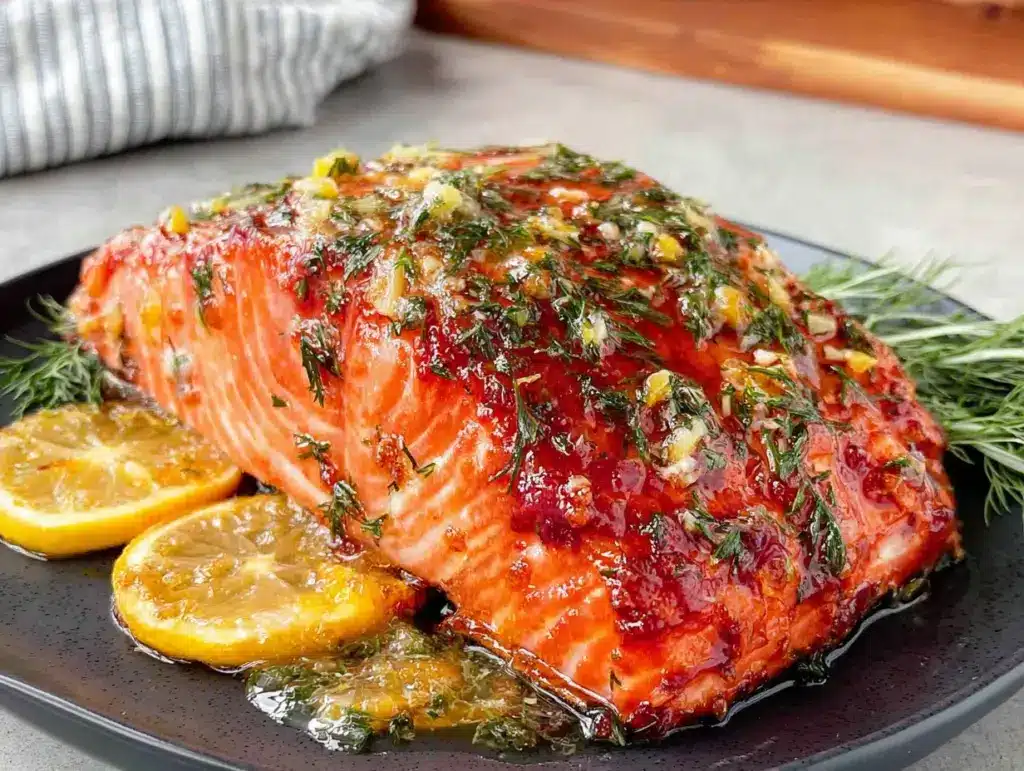
Flipping through a magazine at the doctor’s office while my kid was getting a checkup—that’s where this whole thing started. I saw a photo of salmon with lemon slices and dill, and honestly, I couldn’t stop thinking about it. The problem? Every time I tried to make baked salmon at home, it came out dry, boring, or both. I’d end up hiding it under a mountain of sauce just to get through dinner. But that magazine photo stuck with me. So I started messing around in my kitchen, determined to crack the code on a piece of fish that actually tasted as good as it looked.
After a few sad, overcooked fillets (and one that I swear turned into shoe leather), I finally figured out the trick. It wasn’t about fancy marinades or complicated techniques. It was about butter. And not just any butter—good, salted butter melted over the top, with lemon juice and fresh dill doing their thing underneath. The salmon basically poaches in its own buttery juices as it bakes. The result? Flaky, tender fish that tastes like something from a nice restaurant, but takes twenty minutes from start to finish.
This Buttery Lemon Dill Baked Salmon has become my go-to for busy weeknights when I need something that feels special but doesn’t require a ton of effort. It’s the kind of meal that makes you look forward to dinner again—even on a Tuesday.
Why You’ll Love This Recipe
I’ve tested this recipe more times than I can count, tweaking the butter amount, the lemon ratio, and the baking time until it was just right. Here’s why it works so well:
- Quick & Easy: From fridge to table in under 20 minutes. No marinating, no complicated steps. Just slice, season, and bake.
- Simple Ingredients: You probably already have butter, lemons, and salt in your kitchen. Fresh dill is the only special item, and it’s easy to find at any grocery store.
- Perfect for Busy Weeknights: This is the kind of dinner that saves you when you’re tired, hungry, and out of ideas. It pairs beautifully with rice, roasted veggies, or a simple salad.
- Crowd-Pleaser: Even people who say they don’t love fish end up asking for seconds. The butter and lemon make it approachable and delicious.
- Unbelievably Flaky: The secret is baking the salmon on a bed of lemon slices with butter melting over the top. The steam keeps everything moist and tender.
What makes this version different from other baked salmon recipes is the layering. Most recipes just throw everything in a dish and hope for the best. But here, the lemon slices act as a natural rack, lifting the salmon off the bottom of the pan so it doesn’t sit in its own juices and get soggy. The butter bastes the fish as it melts, creating a rich, silky sauce that you’ll want to spoon over everything on your plate. It’s not just another salmon recipe—it’s the one I keep coming back to, week after week.
What Ingredients You Will Need
This recipe relies on a handful of fresh, quality ingredients to build big flavor without a lot of fuss. Here’s what you’ll need:
- Salmon Fillets (4 fillets, about 6 ounces each): Look for fillets that are similar in thickness so they cook evenly. I prefer wild-caught salmon when I can find it, but farm-raised works great too. The skin can be on or off—just keep in mind that skin-on fillets are easier to flip and stay more moist during baking.
- Unsalted Butter (4 tablespoons, softened): This is the star of the show. Using unsalted butter lets you control the salt level. I recommend a good quality butter like Kerrygold for the richest flavor. Let it soften at room temperature so it spreads easily over the fish.
- Fresh Lemon (2 lemons): You’ll use the juice and the slices. One lemon gets sliced thin and arranged under the salmon. The other lemon gets juiced and mixed into the butter. Fresh lemon is non-negotiable here—bottled juice just doesn’t have the same brightness.
- Fresh Dill (3 tablespoons, chopped): Dill and salmon are a classic pairing for a reason. The herb’s delicate, slightly sweet flavor complements the rich fish and tangy lemon. If you can’t find fresh dill, you can use 1 tablespoon of dried dill, but the fresh stuff really makes a difference.
- Garlic (2 cloves, minced): Adds a subtle savory note that rounds out the butter and lemon. Don’t skip it—it’s the secret to making the flavor feel complete.
- Salt and Black Pepper (to taste): I use kosher salt for its clean flavor and easy pinch-ability. Freshly cracked black pepper adds a gentle warmth.
- Optional Garnish: Extra fresh dill sprigs, lemon wedges, and a sprinkle of flaky sea salt right before serving.
That’s it. Seven ingredients, and most of them are probably in your kitchen right now. The beauty of this recipe is its simplicity—you don’t need a long list of exotic spices or hard-to-find items. Just good salmon, good butter, and fresh citrus and herbs.
Equipment Needed
You don’t need any fancy gadgets for this recipe, which is part of why I love it so much. Here’s what you’ll need:
- Baking Dish (9×13-inch or similar): A glass or ceramic dish works best because it heats evenly and doesn’t react with the lemon. I’ve used metal pans too, and they work fine—just keep an eye on the cooking time since metal conducts heat faster.
- Sharp Knife: For slicing lemons thinly and chopping dill. A good chef’s knife makes the prep work feel effortless.
- Cutting Board: Any sturdy board will do. I prefer wood because it’s gentler on my knives.
- Small Bowl: For mixing the butter, lemon juice, garlic, and dill together.
- Measuring Spoons: For accurate measurements, though honestly, I often eyeball the dill and garlic.
- Aluminum Foil (optional): If you want to tent the salmon halfway through baking to prevent the top from browning too much. I don’t usually bother, but it’s an option.
- Instant-Read Thermometer (optional but helpful): Salmon is perfectly cooked at 125°F to 130°F in the center. If you’re nervous about overcooking, this little tool is a lifesaver.
That’s it. No special equipment, no expensive tools. Just basic kitchen staples that you probably already own.
Preparation Method
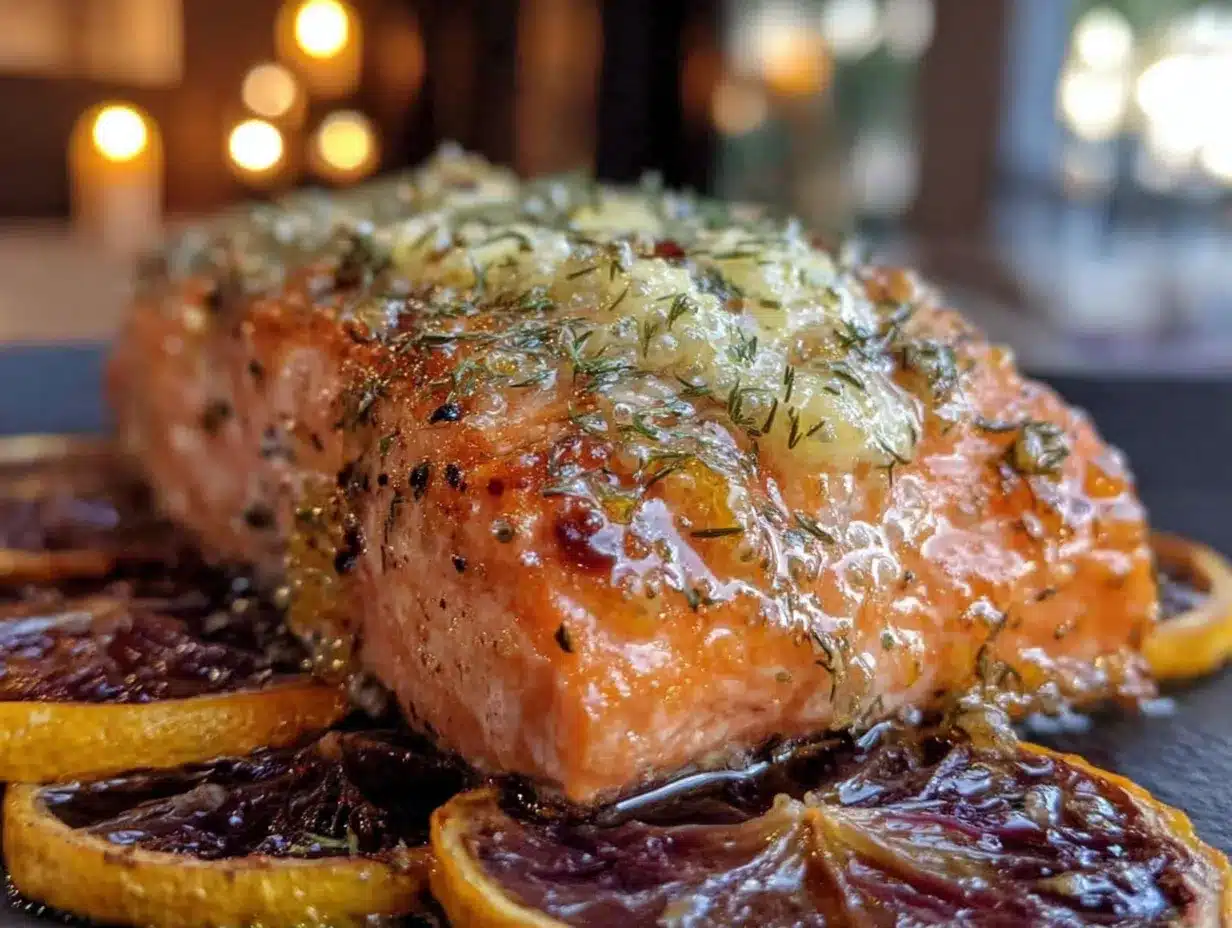
- Preheat your oven to 400°F (200°C). Give it a good 10-15 minutes to reach temperature. A hot oven is key to getting that beautiful flaky texture without drying out the fish.
- Prepare the lemon butter. In a small bowl, combine 4 tablespoons of softened unsalted butter, the juice of 1 lemon, 2 minced garlic cloves, and 2 tablespoons of chopped fresh dill. Mix everything together until it’s well combined. The butter should be soft enough to spread easily—if it’s too firm, let it sit at room temperature for a few more minutes.
- Slice the remaining lemon. Cut the second lemon into thin rounds, about ¼-inch thick. You’ll arrange these in the bottom of your baking dish. The lemon slices create a little bed for the salmon to rest on, which keeps it from sitting directly in the pan juices and getting mushy.
- Arrange the salmon. Place the salmon fillets on top of the lemon slices, skin-side down if they have skin. Leave a little space between each fillet so the heat can circulate evenly. Pat the salmon dry with paper towels—this helps the butter stick and promotes even browning.
- Season the salmon. Sprinkle the fillets generously with salt and black pepper. Don’t be shy here—salmon needs a good amount of salt to bring out its flavor.
- Spread the lemon butter. Using a spoon or a small spatula, divide the lemon-herb butter evenly among the fillets, spreading it over the tops. Don’t worry if some butter slides off into the dish—it’ll melt and create a delicious sauce as it bakes.
- Bake the salmon. Place the dish in the preheated oven and bake for 12-15 minutes, depending on the thickness of your fillets. For fillets that are about 1 inch thick, 13 minutes is usually perfect. The salmon is done when it flakes easily with a fork and the center is just barely opaque. If you’re using a thermometer, look for 125°F to 130°F.
- Rest and serve. Remove the salmon from the oven and let it rest for 2-3 minutes. This allows the juices to redistribute, making the fish even more tender. Sprinkle with the remaining tablespoon of fresh dill and a squeeze of extra lemon juice if you like. Serve immediately with the buttery pan juices spooned over the top.
One thing I learned the hard way: don’t walk away during the last few minutes of baking. Salmon can go from perfectly flaky to dry and overcooked in about 60 seconds. I usually start checking at the 10-minute mark, especially if my fillets are on the thinner side. Better to pull it out a minute early than a minute late—you can always pop it back in if needed.
Cooking Tips & Techniques
After making this recipe probably fifty times (I’m not exaggerating), I’ve picked up a few tricks that make a real difference:
- Bring the salmon to room temperature. Take the fillets out of the fridge about 15 minutes before you start cooking. Cold salmon cooks unevenly—the outside can overcook while the center stays raw. Letting it sit on the counter for a bit helps it cook more evenly.
- Pat the salmon dry. This is one of those small steps that makes a big difference. Moisture on the surface of the fish steams instead of bakes, which can make the texture less appealing. A quick pat with paper towels helps the butter adhere and promotes better browning.
- Don’t overcrowd the dish. If you’re making more than 4 fillets, use two baking dishes or bake in batches. Overcrowding traps steam and prevents the salmon from developing that nice, buttery exterior.
- Use a thermometer. I know I mentioned this already, but it bears repeating. An instant-read thermometer takes the guesswork out of cooking fish. Salmon is perfectly cooked at 125°F to 130°F. Anything above 135°F and you’re entering dry territory.
- Let it rest. I know it’s tempting to dig in right away, but that 2-3 minute rest period is crucial. The carryover cooking will bring the internal temperature up a few more degrees, and the juices will settle into the fish instead of running all over your plate.
One of my biggest failures with salmon early on was using too high a heat. I thought blasting it at 450°F would give me a nice crust, but it just dried out the outside while the middle stayed raw. 400°F is the sweet spot—hot enough to cook the fish quickly, but gentle enough to keep it moist and tender.
Variations & Adaptations
This recipe is incredibly flexible, and I’ve tried quite a few variations over the years. Here are some of my favorites:
- Herb Swap: If you’re not a dill fan (or you just want to try something different), swap in fresh parsley, chives, or tarragon. Tarragon and lemon are a particularly lovely combination—it’s a little more sophisticated, but still simple.
- Spicy Version: Add a pinch of red pepper flakes or a thin slice of fresh jalapeño under the butter for a subtle kick. The heat cuts through the richness of the butter beautifully.
- Garlic Lover’s Version: Double the garlic if you’re a garlic fiend like me. Roasted garlic cloves would also be amazing here—just mash them into the butter before spreading.
- Dairy-Free Option: Use a high-quality vegan butter or ghee (if you tolerate dairy) instead of regular butter. The flavor will be slightly different, but still delicious. Just make sure it’s a good brand that melts well.
- Sheet Pan Meal: Add asparagus, green beans, or cherry tomatoes to the baking dish around the salmon. They’ll roast in the buttery lemon juices and make a complete meal in one pan. Just toss the veggies in a little olive oil and salt before adding them to the dish.
- Grilled Version: This works beautifully on the grill too. Just place the lemon slices directly on the grill grates, top with the salmon, and cook over medium heat with the lid closed for about 10-12 minutes.
I once made this with a maple-mustard glaze instead of the lemon dill butter, and it was surprisingly good. Just mix 2 tablespoons of maple syrup with 1 tablespoon of Dijon mustard and brush it over the salmon before baking. Not exactly the same recipe, but a fun twist when I’m in the mood for something different.
Serving & Storage Suggestions
This salmon is best served right out of the oven, while the butter is still bubbling and the dill is bright green. Here’s how I like to serve it:
- Serving Temperature: Warm, straight from the oven. The butter sauce will be loose and glossy, perfect for spooning over rice or roasted potatoes.
- Presentation: Transfer the fillets to a platter or individual plates, spoon the pan juices over the top, and garnish with fresh dill sprigs and lemon wedges. A sprinkle of flaky sea salt right before serving adds a nice crunch and pop of flavor.
- What to Serve With: This salmon pairs beautifully with steamed rice, fresh cranberry orange fall harvest salad with candied pecans, or crusty bread for soaking up the buttery sauce. Roasted asparagus or green beans are also excellent choices.
- Storage: Leftover salmon can be stored in an airtight container in the refrigerator for up to 3 days. The texture won’t be quite as flaky as fresh, but it’s still delicious.
- Reheating: The best way to reheat salmon is in a low oven (300°F) for about 10 minutes, covered loosely with foil to prevent drying out. You can also reheat it in a skillet over medium-low heat with a splash of water or lemon juice. Avoid the microwave—it tends to make the fish rubbery.
- Cold Leftovers: Leftover salmon is amazing flaked over a green salad or mixed into creamy one-pot ramen carbonara for a quick lunch the next day. The lemon dill flavor actually gets even better after sitting overnight.
Nutritional Information & Benefits
This recipe is as nutritious as it is delicious. Here’s a rough breakdown per serving (based on 4 servings):
- Calories: Approximately 380-420
- Protein: 34-38 grams
- Fat: 26-30 grams (mostly healthy fats from the salmon and butter)
- Carbohydrates: 2-4 grams
- Vitamin D: Excellent source
- Omega-3 Fatty Acids: Rich in EPA and DHA
Salmon is one of the best sources of omega-3 fatty acids, which are essential for brain health, reducing inflammation, and supporting heart health. The vitamin D in salmon is also important for immune function and bone health. Lemon adds a boost of vitamin C, while dill provides small amounts of antioxidants and fiber.
This recipe is naturally gluten-free and low-carb, making it suitable for a variety of dietary preferences. If you’re watching your sodium intake, you can reduce the salt or use a low-sodium salt alternative. The butter adds richness, but you can easily swap in olive oil for a lighter version if preferred.
Conclusion
This Buttery Lemon Dill Baked Salmon has become a staple in my kitchen for good reason. It’s quick, simple, and delivers restaurant-quality results with minimal effort. The combination of tender, flaky salmon with bright lemon and fresh dill, all wrapped up in a rich butter sauce, is honestly hard to beat.
I love that this recipe works for both busy weeknights and special occasions. It’s fancy enough to serve to guests, but easy enough to make on a random Tuesday when you just need something good for dinner. The best part? You can customize it endlessly based on what you have on hand or what you’re in the mood for.
If you try this recipe, I’d love to hear how it turns out. Leave a comment below and let me know what variations you tried, what you served it with, or just how much you loved it. And if you’re looking for more quick and easy dinner ideas, be sure to check out my easy crockpot honey garlic chicken and broccoli or my creamy one-pot garlic parmesan chicken thighs for more weeknight inspiration.
Happy cooking, friends—and don’t forget the butter!
Frequently Asked Questions
Can I use frozen salmon for this recipe?
Yes, you can use frozen salmon, but you’ll need to thaw it completely in the refrigerator first. Pat it dry very well before seasoning, because frozen fish tends to release more water as it thaws. You may also need to add a couple of minutes to the baking time.
How do I know when the salmon is done?
The easiest way is to use an instant-read thermometer. Salmon is perfectly cooked at 125°F to 130°F in the center. If you don’t have a thermometer, look for the flesh to flake easily with a fork and the center to be just barely opaque. The fish will continue to cook slightly after you remove it from the oven.
Can I make this recipe with other types of fish?
Absolutely. This lemon dill butter works beautifully with any firm, flaky white fish like cod, halibut, or sea bass. Just adjust the cooking time based on the thickness of the fillets. Thinner fillets will cook faster, so start checking at 8-10 minutes.
What can I use instead of fresh dill?
If you don’t have fresh dill, you can use 1 tablespoon of dried dill. Other good substitutes include fresh parsley, chives, tarragon, or even a pinch of dried oregano. The flavor will be different, but still delicious. Just avoid dried dill if you can—the fresh stuff really makes a difference here.
Can I prepare this recipe ahead of time?
You can prepare the lemon butter up to 3 days in advance and store it in the refrigerator. Let it soften at room temperature before spreading. You can also slice the lemons ahead of time. However, I don’t recommend assembling the full dish more than 30 minutes before baking, as the lemon juice can start to break down the texture of the fish.
Pin This Recipe!
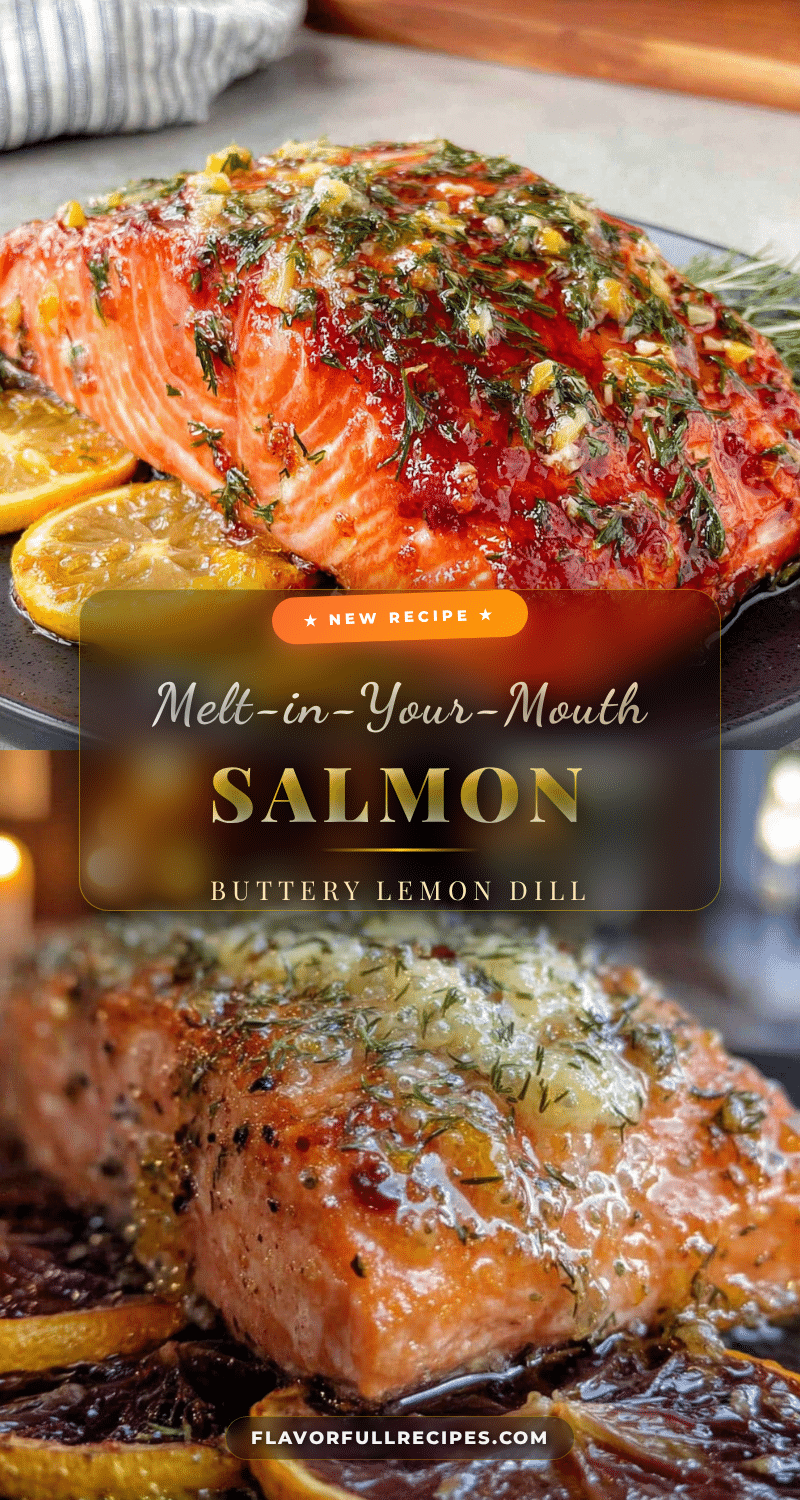
Buttery Lemon Dill Baked Salmon
- Total Time: 20 minutes
- Yield: 4 servings 1x
Description
Flaky, tender salmon baked with a rich lemon-dill butter sauce. This easy 20-minute dinner is perfect for busy weeknights and delivers restaurant-quality results with minimal effort.
Ingredients
- 4 salmon fillets (about 6 ounces each)
- 4 tablespoons unsalted butter, softened
- 2 lemons
- 3 tablespoons fresh dill, chopped
- 2 cloves garlic, minced
- Salt and black pepper to taste
- Optional: extra fresh dill sprigs, lemon wedges, flaky sea salt for garnish
Instructions
- Preheat your oven to 400°F (200°C).
- In a small bowl, combine 4 tablespoons softened unsalted butter, juice of 1 lemon, 2 minced garlic cloves, and 2 tablespoons chopped fresh dill. Mix until well combined.
- Slice the remaining lemon into thin rounds, about ¼-inch thick.
- Arrange lemon slices in the bottom of a 9×13-inch baking dish. Place salmon fillets on top of the lemon slices, skin-side down if they have skin. Pat salmon dry with paper towels.
- Season the salmon generously with salt and black pepper.
- Spread the lemon-herb butter evenly over the tops of the fillets.
- Bake for 12-15 minutes, depending on thickness. Salmon is done when it flakes easily with a fork and the center is just barely opaque (125°F to 130°F internal temperature).
- Remove from oven and let rest for 2-3 minutes. Sprinkle with remaining 1 tablespoon fresh dill and extra lemon juice if desired. Serve immediately with pan juices spooned over the top.
Notes
Bring salmon to room temperature 15 minutes before cooking for even cooking. Pat salmon dry to help butter adhere. Don’t overcrowd the dish; use two dishes if making more than 4 fillets. Use an instant-read thermometer for perfect doneness (125°F to 130°F). Let salmon rest 2-3 minutes before serving. Leftovers can be stored in the refrigerator for up to 3 days; reheat in a low oven (300°F) covered with foil.
- Prep Time: 5 minutes
- Cook Time: 15 minutes
- Category: Main Course
- Cuisine: American
Nutrition
- Serving Size: 1 fillet
- Calories: 400
- Sugar: 1
- Sodium: 400
- Fat: 28
- Saturated Fat: 12
- Carbohydrates: 3
- Fiber: 1
- Protein: 36
Keywords: baked salmon, lemon dill salmon, easy salmon recipe, quick dinner, weeknight dinner, buttery salmon, healthy salmon