Marta, the woman who runs the little spice shop two blocks from my apartment, watched me staring at her jar of crystallized ginger one rainy Tuesday afternoon. I was supposed to be buying cinnamon, but there I was, completely mesmerized by the way the afternoon light caught those sugary amber cubes. She didn’t say anything at first—just let me stand there like a fool. Then she reached under the counter, pulled out a worn recipe card covered in what I assumed was Polish, and slid it across the counter. “For the cookies that make people stay at your table,” she said, and went back to restocking her turmeric.
Honestly, I almost didn’t take it. I mean, who accepts a stranger’s handwritten recipe these days? But something about the way she said it—like she was sharing a secret, not just a list of ingredients—made me tuck it into my bag. That card sat on my counter for two weeks before I worked up the courage to try it. The first batch? A disaster. Too flat, too dark, the glaze slid right off like it was offended by my efforts. But Marta’s recipe had this thing about it, this particular warmth from the ginger and molasses that I couldn’t let go of.
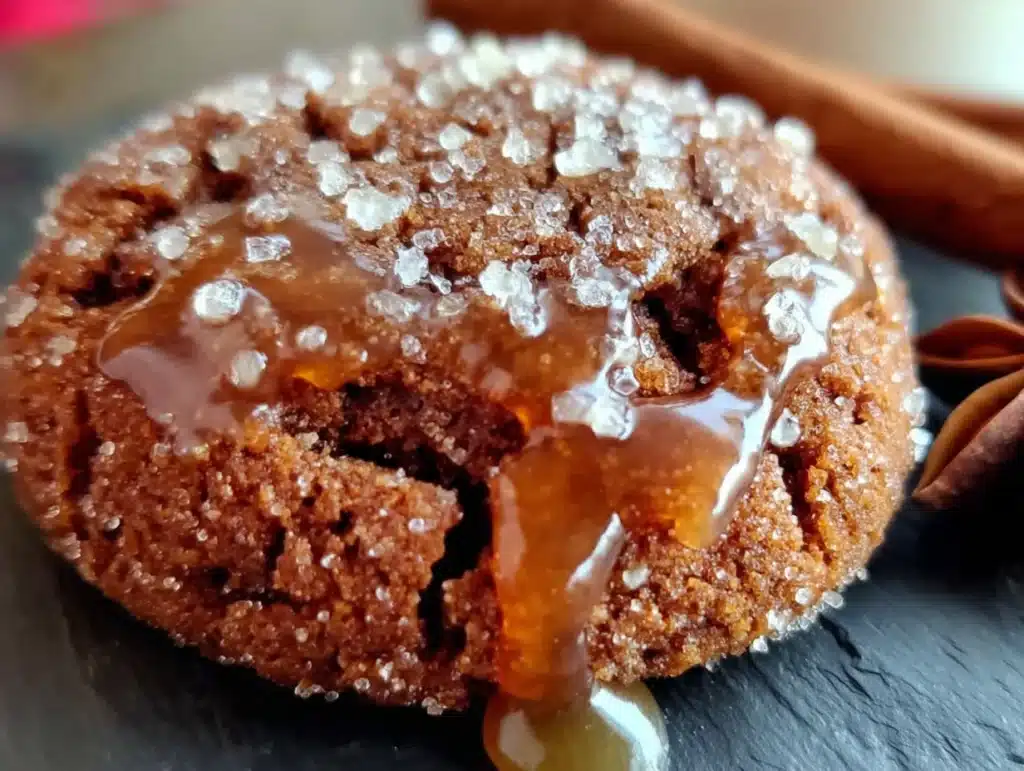
So I kept at it. I adjusted the flour, played with the baking temperature, swapped out the plain glaze for something brighter. Maybe you’ve been there—that moment when a recipe becomes a conversation instead of just instructions. The version I’m sharing today, these Best Chewy Molasses Gingerbread Cookies with Orange Glaze, is the one that finally made Marta nod with approval when I brought her a tin. She took one bite, closed her eyes, and said, “Now you understand.” And that’s exactly what I want for you—to understand what makes these cookies so special, and to have them become a staple at your own table.
Why You’ll Love This Recipe
Let me tell you why these cookies have become my go-to for every gathering, from casual Sunday dinners to the kind of holiday parties where people actually judge your dessert spread. I’ve tested this recipe more times than I care to admit, and I can promise you—it delivers every single time.
- Perfectly Chewy Texture: No dry, crumbly gingerbread here. These cookies stay soft and chewy for days, thanks to the perfect balance of molasses and butter. I’ve had friends text me a week later asking if I’d snuck something illegal into them.
- Bold, Warm Spices: We’re using fresh ginger and crystallized ginger alongside the usual suspects. It’s a triple threat of ginger goodness that gives these cookies a complex, almost peppery warmth you won’t find in standard recipes.
- Bright Orange Glaze: The citrus cuts through the rich molasses like a ray of sunshine on a gray winter day. It’s not just pretty—it actually makes the spices sing louder.
- Make-Ahead Friendly: The dough freezes beautifully, which means you can prep these weeks before your holiday party and bake them fresh the morning of. Your future self will thank you.
- Crowd-Pleasing Showstopper: I’ve brought these to potlucks, cookie exchanges, and dinner parties, and they disappear faster than anything else on the table. There’s something about that orange glaze that makes people feel like they’re eating something fancy, even though it’s dead simple.
What sets these apart from every other gingerbread cookie out there? It’s the texture, honestly. Most recipes give you either a crisp snap or a cakey puff. These sit right in that sweet spot—chewy, dense, with just a little give when you bite into them. The orange glaze isn’t an afterthought either; it’s a deliberate counterpoint to the deep, almost smoky molasses. This isn’t just another cookie recipe—it’s the one that’ll have people asking for the recipe before they’ve even finished chewing.
What Ingredients You Will Need
This recipe uses ingredients you probably already have in your pantry, plus a few special players that make all the difference. I’ve tested substitutions for most of these, so I’ll share what works and what doesn’t.
For the Cookies
- 2 ¼ cups (280g) all-purpose flour — Spoon and level your flour, please. Scooping straight from the bag packs it down and gives you dry cookies. I use King Arthur Flour for consistent results, but any unbleached all-purpose works.
- 1 teaspoon baking soda — This helps with spread and gives the cookies that slight lift. Make sure it’s fresh—test it by dropping a bit into vinegar; if it fizzes, you’re good.
- ½ teaspoon salt — Fine sea salt is my preference. It balances the sweetness without making the cookies taste salty.
- 2 teaspoons ground ginger — Don’t skip this. Freshly opened spices make a noticeable difference here. If your ginger has been sitting in the cabinet for two years, replace it.
- 1 teaspoon ground cinnamon — Adds warmth and depth. I’ve tried it with Ceylon cinnamon and cassia; both work, but cassia gives a bolder flavor.
- ½ teaspoon ground cloves — Just enough to make your kitchen smell like the holidays. A little goes a long way.
- ¼ teaspoon ground nutmeg — Freshly grated if you have it, but pre-ground works fine. I won’t judge.
- ½ cup (113g) unsalted butter, softened — Let it sit out for at least an hour. Cold butter doesn’t cream properly and will give you dense, flat cookies.
- ½ cup (100g) packed dark brown sugar — Light brown sugar works in a pinch, but dark has more molasses content, which reinforces that deep flavor.
- ¼ cup (50g) granulated sugar — Adds just enough sweetness and helps with texture.
- 1 large egg, room temperature — Cold egg can seize the butter mixture. Leave it out with the butter.
- ⅓ cup (80ml) molasses — Unsulphured molasses is what you want. Blackstrap is too bitter and overpowering here. Grandma’s or Brer Rabbit are reliable brands.
- 1 tablespoon finely grated fresh ginger — This is the secret weapon. It adds a bright, almost citrusy heat that dried ginger can’t replicate.
- ¼ cup (40g) crystallized ginger, finely chopped — Those little chewy bits of ginger are pure gold. They give the cookies little pockets of spicy sweetness.
For the Orange Glaze
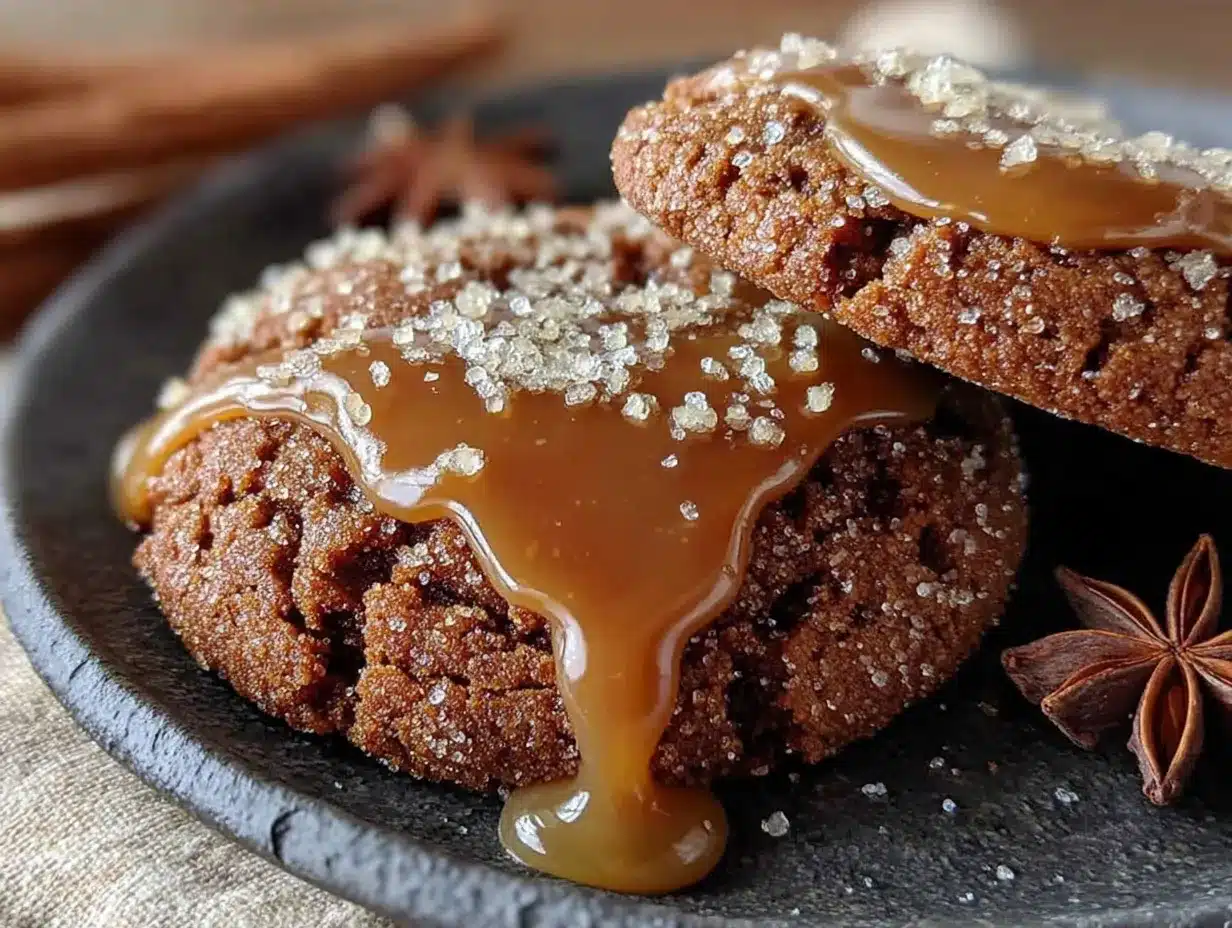
- 1 ½ cups (180g) powdered sugar — Sift it if it’s lumpy. Nobody wants a lumpy glaze.
- 3-4 tablespoons fresh orange juice — From about one medium orange. Fresh is non-negotiable here—bottled juice lacks the brightness and natural oils.
- 1 teaspoon orange zest — Make sure you only get the orange part, not the white pith, which is bitter.
- Pinch of salt — Balances the sweetness and makes the orange flavor pop.
The fresh ginger and crystallized ginger are worth seeking out. I know it’s an extra step, but they’re what take these cookies from “good” to “I need this recipe immediately.” Most grocery stores carry crystallized ginger in the baking aisle or near the dried fruit.
Equipment Needed
You don’t need a fancy kitchen to make these cookies, but a few specific tools will make your life easier.
- Stand mixer or hand mixer — You can cream the butter and sugar by hand, but honestly, your arm will get tired. I use my KitchenAid for this, but a $20 hand mixer works just as well.
- Large mixing bowl and medium mixing bowl — One for dry ingredients, one for wet.
- Microplane or fine grater — For zesting the orange and grating the fresh ginger. A box grater works too, but a Microplane gives you finer results.
- Baking sheets — Light-colored, rimmed baking sheets are best. Dark sheets can cause the bottoms to burn before the centers are done.
- Parchment paper or silicone baking mats — Parchment is cheaper and disposable; silicone mats are reusable and eco-friendly. Either works.
- Cookie scoop (1.5 tablespoon size) — This ensures evenly sized cookies that bake uniformly. I’ve used spoons in a pinch, but the scoop is worth the $8 investment.
- Wire cooling rack — Essential for letting the glaze set properly. Cookies on a flat surface will get soggy bottoms.
- Small whisk or fork — For mixing the glaze. A fork actually works better for getting rid of lumps.
If you don’t have a cookie scoop, use two spoons to portion the dough. It’s not as pretty, but the cookies will still taste the same. I’ve made these in a friend’s apartment with nothing but a whisk and a wooden spoon, and they turned out great.
Preparation Method
Let’s get baking. I’ve broken this down into manageable steps with all the little details I wish someone had told me the first time.
- Preheat your oven to 350°F (175°C). Line two baking sheets with parchment paper or silicone mats. Do this before you start mixing—you don’t want to be scrambling while the dough is waiting.
- Whisk the dry ingredients together. In a medium bowl, combine the flour, baking soda, salt, ground ginger, cinnamon, cloves, and nutmeg. Whisk until evenly distributed—about 20 seconds. This aerates the flour and ensures your spices are evenly spread. Set aside.
- Cream the butter and sugars. In a large bowl (or the bowl of your stand mixer), beat the softened butter, dark brown sugar, and granulated sugar together on medium speed until light and fluffy. This takes about 3-4 minutes with a stand mixer, 5 minutes with a hand mixer. You’re looking for a pale, airy mixture that looks like wet sand. Scrape down the sides and bottom of the bowl at least once.
- Add the wet ingredients. Beat in the egg until fully incorporated, about 30 seconds. Then add the molasses, fresh grated ginger, and chopped crystallized ginger. Mix on low speed until combined—don’t overmix here. The mixture will look a little curdled at this point, which is totally normal. It’ll come together once you add the flour.
- Gradually add the dry ingredients. With the mixer on low, add the flour mixture in three additions, mixing just until the flour disappears after each addition. Stop the mixer and scrape down the bowl halfway through. The dough will be soft and slightly sticky—that’s what you want. If it feels too sticky to handle (like it’s sticking to your fingers), refrigerate it for 15 minutes before scooping.
- Chill the dough (important!). Cover the bowl with plastic wrap and refrigerate for at least 1 hour, or up to 3 days. This step is non-negotiable. Chilling solidifies the butter, which prevents the cookies from spreading too much and gives them that chewy texture. I once skipped this step because I was in a hurry, and I ended up with flat, greasy disks. Learn from my mistake.
- Scoop and roll. Once the dough is chilled, use your cookie scoop to portion out 1.5-tablespoon-sized balls (about 30g each). Roll each ball between your palms until smooth. Place them on the prepared baking sheets, spacing them about 2 inches apart—they spread a little, but not dramatically.
- Bake. Bake one sheet at a time in the center of the oven for 10-12 minutes. At 10 minutes, the cookies will look puffed and set around the edges but still soft in the center. That’s perfect—they’ll continue to set as they cool. For chewier cookies, pull them at 10 minutes. For slightly firmer cookies, go to 12. I always err on the side of underbaking because I like that soft, almost gooey center.
- Cool completely. Let the cookies rest on the baking sheet for 5 minutes—this allows them to firm up enough to transfer. Then move them to a wire cooling rack and let them cool completely before glazing. Warm cookies will turn the glaze into a runny mess.
- Make the orange glaze. While the cookies cool, whisk together the powdered sugar, 3 tablespoons of orange juice, orange zest, and a pinch of salt. Start with 3 tablespoons of juice—you want a thick but drizzle-able consistency. If it’s too thick, add more juice a teaspoon at a time. If it’s too thin, add a little more powdered sugar. The glaze should fall off the whisk in a smooth ribbon that holds its shape for a second before disappearing.
- Glaze the cookies. Dip the top of each cooled cookie into the glaze, letting the excess drip off. Place them back on the wire rack, glazed side up. If you prefer a more decorative look, drizzle the glaze from a spoon or use a piping bag with the tip snipped off. Let the glaze set for at least 30 minutes before serving or stacking.
A quick note: if you’re making these for a party, you can bake the cookies a day ahead and glaze them the morning of. The glaze stays glossy and beautiful for about 24 hours before it starts to dull.
Cooking Tips & Techniques
After making these cookies at least two dozen times (I’m not exaggerating), I’ve picked up a few tricks that make the process smoother and the results more consistent.
Temperature matters more than you think. I learned this the hard way when I tried to rush the butter-softening process by microwaving it. The butter melted in spots, and my cookies spread into sad, greasy puddles. Now I always plan ahead—take the butter and egg out of the fridge an hour before you start. If you forget, cut the butter into small cubes and let it sit at room temperature for 20 minutes. It’s not perfect, but it’s better than the microwave.
Don’t overmix the dough. Once you add the flour, you’re just trying to incorporate it. Overmixing develops gluten, which makes cookies tough instead of tender. Mix until you don’t see any more white streaks, then stop. I’ve ruined batches by getting distracted and letting the mixer run an extra 30 seconds.
Chill the dough, even if you’re in a hurry. I know I said this already, but it’s worth repeating. If you’re short on time, portion the dough into balls before chilling, then pop them in the freezer for 20 minutes instead of the fridge for an hour. It works in a pinch, though the texture won’t be quite as perfect.
Rotate your baking sheet halfway through. Ovens have hot spots—I learned this when my first batch came out with burnt edges on one side and pale centers on the other. Now I rotate the sheet 180 degrees at the 5-minute mark. It takes 10 seconds and makes a noticeable difference.
Use a light-colored baking sheet. Dark sheets absorb more heat and can cause the bottoms of your cookies to burn before the centers are done. If all you have is dark sheets, reduce the oven temperature by 25°F and keep a close eye on them.
Glaze strategically. If you’re serving these at a party, glaze them in batches rather than all at once. The glaze stays fresh and glossy for about 4-6 hours after application, so glazing right before guests arrive gives you the prettiest presentation. I’ve also found that a light hand with the glaze is better than drowning the cookies—you want to taste the cookie, not just sugar.
Double the batch. These cookies freeze beautifully (both baked and unbaked), so I always make a double batch. The dough keeps in the fridge for up to 3 days, so you can bake fresh cookies every day if you want. I’ve been known to keep a log of dough in the freezer for emergency cookie situations—and yes, those are a real thing.
Variations & Adaptations
One of the things I love about this recipe is how adaptable it is. Here are some variations I’ve tried and loved.
Vegan Version: Replace the butter with vegan butter (I like Miyoko’s or Earth Balance) and use a flax egg (1 tablespoon ground flaxseed mixed with 3 tablespoons water, let sit for 5 minutes). The texture is slightly less tender, but the flavor is still fantastic. Use maple syrup instead of honey if you’re strictly vegan, though this recipe doesn’t call for honey anyway.
Gluten-Free Adaptation: Substitute the all-purpose flour with a 1:1 gluten-free baking flour blend that contains xanthan gum. I’ve tested this with King Arthur Measure for Measure and Cup4Cup, and both worked well. The cookies will be a bit more delicate, so handle them gently when transferring to the cooling rack.
Spice It Up: If you like things hot, add ¼ teaspoon of cayenne pepper or black pepper to the dry ingredients. It sounds weird, but the heat plays beautifully with the molasses and orange. I made a batch with cayenne for a friend who loves spicy food, and she ate six in one sitting.
Citrus Variations: Swap the orange juice and zest for lemon, lime, or even grapefruit. Each gives a different character—lemon is brighter and more tart, lime is zippy and tropical, grapefruit is slightly bitter and sophisticated. I’ve also done a combination of orange and lemon zest for a more complex citrus flavor.
Add-Ins: Fold in ½ cup of white chocolate chips, dried cranberries, or chopped pecans after the flour is incorporated. White chocolate and cranberry is a holiday classic, while pecans add a nice crunch. I once added chopped dark chocolate, and it was incredible—like a gingerbread chocolate chip cookie hybrid.
Different Glazes: Skip the orange glaze entirely and dust the cookies with powdered sugar for a simpler look. Or make a cream cheese glaze by substituting 2 tablespoons of softened cream cheese for 2 tablespoons of the orange juice. It’s richer and tangier, perfect for when you want something more decadent.
Spiced Sugar Coating: Instead of glazing, roll the dough balls in a mixture of granulated sugar and cinnamon before baking. It gives the cookies a crackly, sparkly top that’s beautiful and less messy than glaze. This is my go-to when I’m short on time.
Serving & Storage Suggestions
These cookies are incredibly versatile when it comes to serving. Here’s how I like to present and store them.
Serving Temperature: Room temperature is best. The cookies are chewiest and the glaze is set but not hard. If you’ve stored them in the fridge, let them sit out for 20 minutes before serving. I’ve served them slightly warm (about 10 minutes out of the oven, before glazing) and they’re amazing that way too—soft, almost pudding-like in the center.
Presentation Ideas: For a dinner party, arrange the glazed cookies on a white platter and garnish with a few fresh cranberries and rosemary sprigs. It sounds fancy, but it takes 30 seconds. For a cookie exchange, stack them in a tin lined with parchment paper, with a piece of wax paper between each layer to prevent sticking. They look beautiful peeking out from under the lid.
What to Serve Alongside: These cookies pair beautifully with a cup of hot tea (chai or Earl Grey), coffee, or a glass of cold milk. For a dessert spread, serve them alongside a vanilla ice cream or a dollop of whipped cream. I’ve also crumbled them over a bowl of vanilla yogurt for a quick breakfast—don’t judge until you try it.
Storage Instructions: Store the glazed cookies in an airtight container at room temperature for up to 5 days. Place a piece of bread in the container to keep them soft—the cookies will absorb moisture from the bread, and the bread will go stale instead of the cookies. Replace the bread every couple of days if you’re storing them longer.
Freezing Instructions: You can freeze both baked and unbaked cookies. To freeze baked cookies: place them on a baking sheet in the freezer until solid (about 1 hour), then transfer to a freezer-safe bag or container. They’ll keep for up to 3 months. Thaw at room temperature for about 20 minutes before serving. To freeze unbaked dough: portion into balls, freeze on a baking sheet, then transfer to a bag. Bake from frozen, adding 2-3 minutes to the baking time.
Flavor Development: Here’s something interesting—these cookies actually taste better the next day. The spices meld together overnight, and the molasses flavor becomes deeper and more rounded. I always try to make them a day ahead if I can. The glaze, however, is best applied the day of serving, as it can start to absorb into the cookie after 24 hours.
Nutritional Information & Benefits
Let’s be real—these are cookies, not health food. But they do have some redeeming qualities, and I think it’s worth knowing what you’re eating.
Estimated Nutritional Values (per cookie, based on 24 cookies):
- Calories: 165
- Total Fat: 6g
- Saturated Fat: 3.5g
- Cholesterol: 25mg
- Sodium: 95mg
- Total Carbohydrates: 26g
- Dietary Fiber: 0.5g
- Sugars: 17g
- Protein: 2g
Health Benefits of Key Ingredients:
- Ginger (both fresh and ground) is known for its anti-inflammatory properties and can help with digestion. It’s also been used for centuries to settle upset stomachs—not that you need an excuse to eat cookies.
- Molasses contains more minerals than refined sugar, including iron, calcium, magnesium, and potassium. It’s still sugar, but it’s sugar with a little something extra.
- Oranges provide vitamin C and antioxidants. The zest contains essential oils that are good for immune health.
- Cinnamon has been shown to help regulate blood sugar levels, though the amount in these cookies is minimal.
Dietary Considerations: These cookies contain gluten, dairy, and eggs, so they’re not suitable for those with allergies to those ingredients. However, see the variations section for vegan and gluten-free adaptations. They’re also relatively low in fiber, so pair them with something fibrous if you’re watching your digestion.
Allergen Note: This recipe contains wheat (gluten), dairy (butter), and eggs. If you’re serving these at a party, it’s always a good idea to label them so guests with allergies know what they’re eating.
I personally don’t stress too much about the nutritional content of these cookies. They’re a treat, and treats are meant to be enjoyed. But I do feel a little better knowing that the ginger and molasses bring some actual nutrients to the table.
Conclusion
These Best Chewy Molasses Gingerbread Cookies with Orange Glaze have become more than just a recipe in my kitchen—they’re a tradition. Every time I make them, I think of Marta and her worn recipe card, of that rainy afternoon that turned into a friendship, and of all the tables where these cookies have made people smile. They’re the kind of cookie that makes you slow down, that makes you want to sit with a cup of tea and just enjoy the moment.
What I love most is how adaptable they are. You can make them your own—swap the citrus, add some chocolate, dial up the spice. The base recipe is solid, but it’s also a starting point for your own creativity. I’d love to hear how they turn out for you. Did you try a variation? Did your family fight over the last one? Drop a comment below and let me know—I read every single one, and I genuinely love hearing about your kitchen adventures.
So go ahead, preheat that oven, and make some cookies that’ll have people asking for the recipe. And if you’re ever in my neighborhood, stop by the little spice shop on the corner. Tell Marta I sent you. She might just have another recipe waiting under the counter.
Frequently Asked Questions
Can I use blackstrap molasses instead of unsulphured molasses?
I wouldn’t recommend it. Blackstrap molasses is much stronger and more bitter than unsulphured molasses, and it can overwhelm the other flavors in these cookies. Stick with unsulphured molasses for the best balance of sweetness and depth. If blackstrap is all you have, use half the amount and add a tablespoon of honey or maple syrup to compensate.
Why did my cookies spread too much?
This usually happens for one of three reasons: your butter was too soft or melted, your dough wasn’t chilled long enough, or you used too much sugar. Make sure your butter is softened but not melted, chill the dough for at least an hour, and measure your ingredients accurately. If your kitchen is particularly warm, chill the scooped dough balls for 15 minutes before baking.
Can I make the dough ahead of time and bake later?
Absolutely. The dough can be refrigerated for up to 3 days or frozen for up to 3 months. If refrigerating, let it sit at room temperature for 10-15 minutes before scooping, as it will be quite firm. If freezing, portion into balls first, freeze on a baking sheet, then transfer to a freezer bag. Bake from frozen, adding 2-3 minutes to the baking time.
How do I get a perfectly smooth glaze?
Sift your powdered sugar before mixing to remove lumps. Use fresh orange juice—bottled juice doesn’t have the same consistency. If your glaze is lumpy, strain it through a fine-mesh sieve. And make sure your cookies are completely cool before glazing; warm cookies will make the glaze runny and uneven.
Can I double this recipe?
Yes, this recipe doubles beautifully. Just make sure your mixer bowl is large enough to handle the extra volume. I recommend mixing the dry ingredients in two separate batches to ensure even distribution. The baking time remains the same, but you’ll need more baking sheets or you’ll need to bake in batches. Store any extra dough in the fridge while the first batch bakes.
Pin This Recipe!

Best Chewy Gingerbread Cookies with Orange Glaze
- Total Time: 1 hour 30 minutes (includes chilling time)
- Yield: 24 cookies 1x
Description
These perfectly chewy gingerbread cookies feature a triple threat of ginger—ground, fresh, and crystallized—topped with a bright orange glaze. A beloved recipe passed down from a spice shop owner, these cookies have become a staple for gatherings and holidays.
Ingredients
- 2 ¼ cups (280g) all-purpose flour
- 1 teaspoon baking soda
- ½ teaspoon fine sea salt
- 2 teaspoons ground ginger
- 1 teaspoon ground cinnamon
- ½ teaspoon ground cloves
- ¼ teaspoon ground nutmeg
- ½ cup (113g) unsalted butter, softened
- ½ cup (100g) packed dark brown sugar
- ¼ cup (50g) granulated sugar
- 1 large egg, room temperature
- ⅓ cup (80ml) unsulphured molasses
- 1 tablespoon finely grated fresh ginger
- ¼ cup (40g) crystallized ginger, finely chopped
- 1 ½ cups (180g) powdered sugar, sifted
- 3–4 tablespoons fresh orange juice
- 1 teaspoon orange zest
- Pinch of salt
Instructions
- Preheat your oven to 350°F (175°C). Line two baking sheets with parchment paper or silicone mats.
- In a medium bowl, whisk together the flour, baking soda, salt, ground ginger, cinnamon, cloves, and nutmeg until evenly distributed, about 20 seconds. Set aside.
- In a large bowl or stand mixer, beat the softened butter, dark brown sugar, and granulated sugar together on medium speed until light and fluffy, about 3-4 minutes with a stand mixer or 5 minutes with a hand mixer. Scrape down the sides and bottom of the bowl at least once.
- Beat in the egg until fully incorporated, about 30 seconds. Then add the molasses, fresh grated ginger, and chopped crystallized ginger. Mix on low speed until combined. The mixture may look slightly curdled.
- With the mixer on low, add the flour mixture in three additions, mixing just until the flour disappears after each addition. Stop and scrape down the bowl halfway through. The dough will be soft and slightly sticky.
- Cover the bowl with plastic wrap and refrigerate for at least 1 hour, or up to 3 days. This step is essential for chewy cookies.
- Once chilled, use a cookie scoop to portion out 1.5-tablespoon-sized balls (about 30g each). Roll each ball between your palms until smooth. Place on prepared baking sheets, spacing them about 2 inches apart.
- Bake one sheet at a time in the center of the oven for 10-12 minutes. At 10 minutes, cookies will look puffed and set around the edges but still soft in the center. For chewier cookies, pull at 10 minutes; for firmer, go to 12.
- Let cookies rest on the baking sheet for 5 minutes, then transfer to a wire cooling rack and cool completely before glazing.
- While cookies cool, whisk together the powdered sugar, 3 tablespoons of orange juice, orange zest, and a pinch of salt. Start with 3 tablespoons of juice—the glaze should be thick but drizzle-able. Adjust with more juice or powdered sugar as needed.
- Dip the top of each cooled cookie into the glaze, letting excess drip off. Place back on the wire rack, glazed side up. Let glaze set for at least 30 minutes before serving or stacking.
Notes
Chilling the dough is non-negotiable for chewy texture. For best flavor, make cookies a day ahead and glaze the day of serving. The dough can be refrigerated for up to 3 days or frozen for up to 3 months. If freezing unbaked dough, portion into balls first and bake from frozen, adding 2-3 minutes to baking time. Store glazed cookies in an airtight container at room temperature for up to 5 days; place a piece of bread in the container to keep them soft.
- Prep Time: 20 minutes
- Cook Time: 10-12 minutes per batch
- Category: Dessert
- Cuisine: American
Nutrition
- Serving Size: 1 cookie
- Calories: 165
- Sugar: 17
- Sodium: 95
- Fat: 6
- Saturated Fat: 3.5
- Carbohydrates: 26
- Fiber: 0.5
- Protein: 2
Keywords: gingerbread cookies, chewy gingerbread, molasses cookies, orange glaze, holiday cookies, ginger cookies, Christmas cookies