I ruined meatloaf for my husband’s entire family before I ever made a decent one. The first time I attempted it for a Sunday dinner at his mother’s house, I pulled a dry, cracked brick out of the oven that looked more like a geology experiment than dinner. I was so embarrassed I almost swore off meatloaf forever. But here’s the thing—I kept coming back to it. Not because I was stubborn, though I am. I kept coming back because I knew, deep down, that a really good meatloaf with that sticky, caramelized brown sugar glaze was possible. I just had to stop treating it like a hunk of ground beef and start treating it like a recipe that deserved some actual respect.
It took me about four more attempts (and one memorable incident where the glaze burned into a black crust that smelled like a campfire) before I figured out what I was doing wrong. I was overmixing the meat, skipping the panade (that’s the bread-and-milk mixture that keeps it tender), and baking it on too high a heat without any moisture in the pan. Once I fixed those three things, everything changed. This Classic Meatloaf with Brown Sugar Glaze became the dish I bring to potlucks, the one my kids ask for on rainy Sundays, and the one that finally got a nod of approval from my mother-in-law. That first bite of a perfectly juicy slice with that sweet, tangy glaze on top? Worth every single failed attempt.
Why You’ll Love This Recipe
This isn’t just any meatloaf recipe. It’s the one that makes people ask for seconds and then ask for the recipe before they leave. Here’s why it works so well:
- Incredibly Moist and Tender : The secret is in the panade—soaked breadcrumbs that keep the meat from turning into a dense block. Every slice stays juicy, even reheated the next day.
- That Brown Sugar Glaze : The sweet, tangy, slightly sticky topping caramelizes in the oven and creates a crust that’s absolutely addictive. It’s the kind of glaze that makes you want to eat the edges first.
- Simple Pantry Ingredients : You probably have most of these in your kitchen right now. No fancy trips to specialty stores, no obscure spices. Just real, honest food.
- Perfect for Busy Weeknights : The hands-on time is about 15 minutes. The oven does the rest. You can throw it together after work and have dinner on the table with minimal fuss.
- Crowd-Pleaser Status : Kids love it. Adults love it. Picky eaters love it. It’s one of those rare recipes that unites everyone at the table.
- Leftovers Are a Gift : Cold meatloaf sandwiches the next day? Yes, please. Or crumble it into a pasta sauce, stuff it into a Philly cheesesteak slider, or just eat it straight from the fridge at midnight. No judgment here.
What makes this version different from all the others? It’s the balance. The meat is seasoned just right, the glaze has that perfect sweet-tangy thing going on, and the texture is soft but sliceable. It’s not dry, it’s not greasy, and it’s not boring. It’s the kind of meatloaf that makes you remember why this dish became a classic in the first place.
What Ingredients You Will Need
This recipe uses simple, honest ingredients that work together to create something truly comforting. Nothing complicated, nothing hard to find—just good food that makes sense.
For the Meatloaf
- Ground beef (80/20) – 2 pounds. The 80/20 ratio gives you enough fat for flavor and moisture without being greasy. I’ve tried leaner blends and they always come out drier. Trust me on this one.
- Breadcrumbs (plain) – 1 cup. Panko works great here too. They help bind everything together and keep the texture light.
- Whole milk – ½ cup. This soaks into the breadcrumbs to create a panade, which is the secret to tender meatloaf. You can use 2% if that’s what you have.
- Yellow onion – 1 medium, finely diced. Don’t skip this. Onion adds moisture and sweetness as it cooks. I like to grate mine on a box grater for the finest texture—my kids never find onion chunks this way.
- Garlic – 3 cloves, minced. Fresh garlic is worth it here. The jarred stuff works in a pinch, but fresh gives you that punchy aroma.
- Large eggs – 2, lightly beaten. Eggs are the glue that holds everything together.
- Worcestershire sauce – 2 tablespoons. This adds that deep, savory umami flavor that makes meatloaf taste like more than just seasoned beef.
- Ketchup – 2 tablespoons. A little in the meat mixture adds sweetness and acidity. It works with the Worcestershire to build flavor.
- Dijon mustard – 1 tablespoon. Don’t worry—it doesn’t make the meatloaf taste like mustard. It just adds a subtle tang that brightens everything up.
- Dried thyme – 1 teaspoon. Earthy and slightly floral, thyme is a classic pairing with beef.
- Salt – 1½ teaspoons. Season generously. Underseasoned meatloaf is sad meatloaf.
- Black pepper – ½ teaspoon, freshly ground.
- Fresh parsley – 2 tablespoons, chopped (optional, for garnish).
For the Brown Sugar Glaze
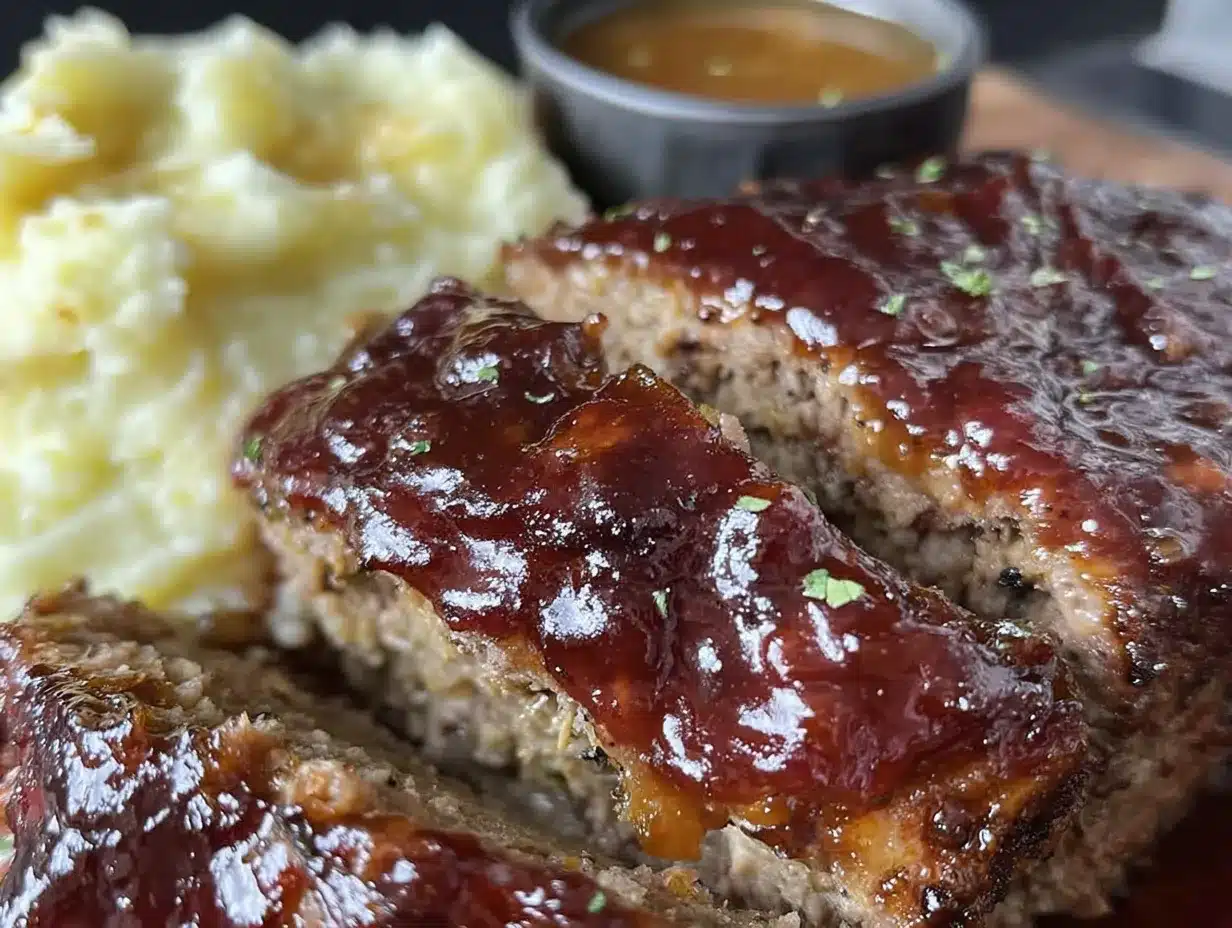
- Ketchup – ½ cup. This is the base of the glaze. I prefer Heinz for its balanced sweetness, but any brand works.
- Brown sugar (packed) – ¼ cup. Light or dark both work. Dark brown sugar gives a deeper, more molasses-like flavor.
- Apple cider vinegar – 1 tablespoon. This cuts through the sweetness and adds that tangy edge that makes the glaze so addictive.
- Worcestershire sauce – 1 teaspoon. Just a little for extra depth.
- Garlic powder – ½ teaspoon. Not the same as fresh garlic, but perfect for a quick glaze.
Equipment Needed
You don’t need a fancy kitchen to make this meatloaf. Here’s what you’ll need:
- Large mixing bowl – For combining all the meatloaf ingredients. Go big enough that you can get your hands in there without making a mess.
- Loaf pan (9×5-inch) – Standard size works perfectly. Glass, metal, or ceramic—all fine. If you don’t have a loaf pan, you can shape the meatloaf free-form on a rimmed baking sheet.
- Rimmed baking sheet – Place the loaf pan on this to catch any drips. Trust me, you want this.
- Small bowl – For mixing the glaze.
- Chef’s knife and cutting board – For dicing the onion and mincing the garlic.
- Box grater – Optional, but I love using this for the onion. It creates a finer texture that melts into the meat.
- Measuring cups and spoons – Precision matters, especially with the seasoning and glaze.
- Pastry brush or spoon – For spreading the glaze over the meatloaf.
- Meat thermometer – This is non-negotiable for me. An instant-read thermometer takes the guesswork out of doneness and guarantees a perfectly cooked meatloaf every time.
- Parchment paper or foil – For lining the loaf pan if you want easy cleanup.
That’s it. No stand mixer, no food processor, no special gadgets. Just basic kitchen tools and a little bit of love.
Preparation Method
Let me walk you through this step by step. I’ve made this meatloaf more times than I can count, so I’ll share all the little tricks I’ve picked up along the way.
Step 1: Preheat and Prep
Preheat your oven to 350°F (175°C). Line your loaf pan with parchment paper if you want easy cleanup—I usually just spray it with nonstick cooking spray and call it a day. Place the loaf pan on a rimmed baking sheet to catch any drips.
Step 2: Make the Panade
In your large mixing bowl, combine the breadcrumbs and milk. Stir them together and let them sit for about 5 minutes. The breadcrumbs will soak up the milk and turn into a soft, pasty mixture. This is your panade, and it’s the single most important step for keeping your meatloaf tender. Don’t skip it. I learned this the hard way after making dry meatloaf for years.
Step 3: Sauté the Aromatics
While the panade is resting, heat a small skillet over medium heat with a drizzle of oil. Add the diced onion and cook for 3-4 minutes until it’s soft and translucent. Add the minced garlic and cook for another 30 seconds until fragrant. Let this cool for a minute or two before adding it to the meat mixture. Why sauté first? Raw onion releases water as it cooks, which can make the meatloaf soggy. Sautéing it first concentrates the flavor and removes excess moisture.
Step 4: Combine the Meatloaf Mixture
Add the ground beef to the bowl with the panade. Add the sautéed onion and garlic, beaten eggs, Worcestershire sauce, ketchup, Dijon mustard, dried thyme, salt, and pepper. Here’s the important part: use your hands to gently mix everything together. Don’t squeeze, don’t knead, don’t overwork it. Just gently fold and combine until the ingredients are evenly distributed. Overmixing develops the proteins in the meat and makes your meatloaf tough. You want it just combined—a few streaks of breadcrumb here and there are totally fine.
Step 5: Shape and Fill
Transfer the meat mixture to your prepared loaf pan. Gently press it into an even shape, making sure there are no air pockets. Don’t pack it down hard—just smooth the top gently. If you’re shaping it free-form on a baking sheet, form it into a loaf shape about the same size as a loaf pan, leaving some space around the edges for even cooking.
Step 6: Make the Glaze
In a small bowl, whisk together the ketchup, brown sugar, apple cider vinegar, Worcestershire sauce, and garlic powder. Stir until the brown sugar is mostly dissolved. The mixture should be smooth and glossy. Taste it—it should be sweet, tangy, and a little savory. Adjust the vinegar or sugar to your liking if needed.
Step 7: First Bake
Place the meatloaf in the oven and bake uncovered for 45 minutes. This initial bake allows the meatloaf to cook through and firm up before we add the glaze. Don’t skip this step—if you add the glaze too early, it’ll burn before the meatloaf is fully cooked.
Step 8: Glaze and Finish
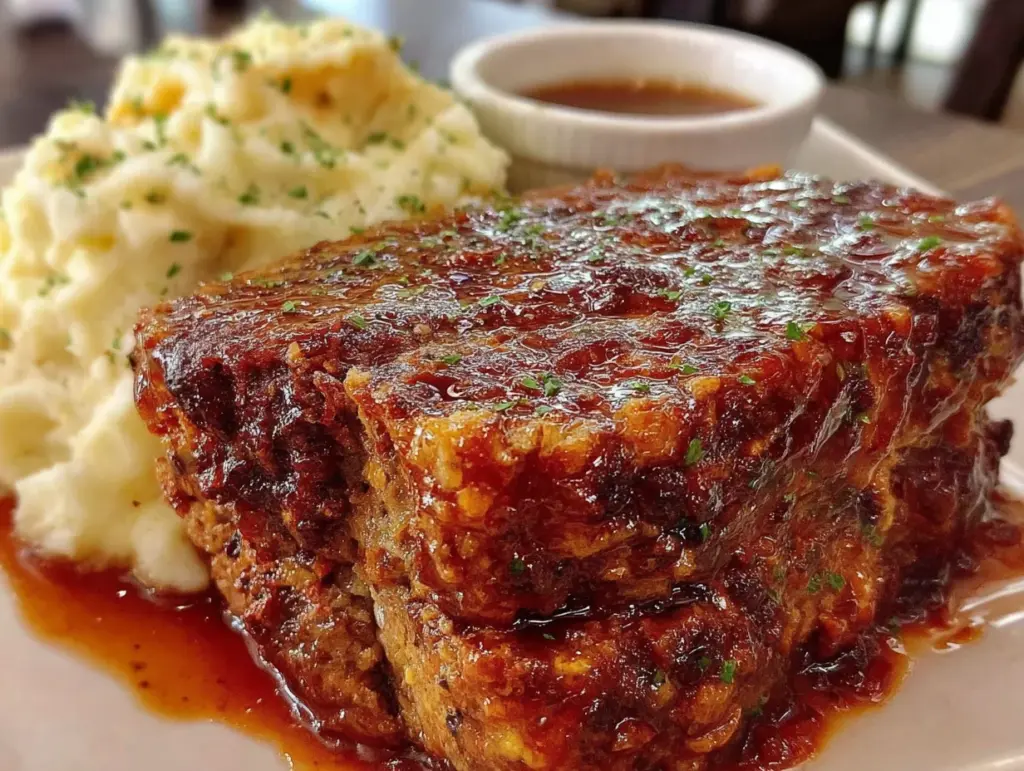
After 45 minutes, carefully remove the meatloaf from the oven. Spoon or brush about half the glaze over the top and sides of the meatloaf. Return it to the oven and bake for another 15 minutes. Then apply the remaining glaze and bake for a final 10-15 minutes. The total bake time should be about 70-75 minutes. The glaze will caramelize and form a beautiful, sticky crust.
Step 9: Check for Doneness
This is where the meat thermometer comes in. Insert it into the center of the meatloaf—it should register 160°F (71°C). This is the safe internal temperature for ground beef. If it’s not there yet, give it another 5-10 minutes and check again.
Step 10: Rest and Serve
Once the meatloaf is done, remove it from the oven and let it rest in the pan for at least 10-15 minutes. This is crucial. The meatloaf will continue to cook slightly as it rests, and the juices will redistribute throughout the loaf. If you slice it too soon, it’ll fall apart and all those juices will end up on the cutting board instead of in your mouth. After resting, carefully slice and serve with the juices from the pan spooned over the top.
Cooking Tips & Techniques
I’ve made every mistake in the book with meatloaf, so let me save you some trouble. Here are the things I wish someone had told me years ago:
Don’t overmix. I cannot say this enough. Mix until everything is just combined. Overmixing makes the meat dense and tough. Use a light hand and stop as soon as you don’t see any more dry spots.
Use a meat thermometer. I know I keep saying this, but it’s the only way to guarantee perfect doneness. Meatloaf can go from perfectly cooked to dry and crumbly in about 5 minutes. A thermometer takes the guesswork out completely.
Let it rest. I know you’re hungry. I know the house smells amazing. But if you slice into that meatloaf right away, it will fall apart. Ten minutes of patience saves you from a crumbly mess.
Line your pan. If you use parchment paper with overhanging edges, you can lift the entire meatloaf out of the pan for easy slicing. It also makes cleanup a breeze.
Don’t skip the panade. This is the breadcrumb-and-milk mixture that keeps your meatloaf tender. Without it, you’re basically making a giant hamburger patty. The panade acts like a sponge, holding moisture inside the meat as it cooks.
Bake on a sheet pan. Even if you’re using a loaf pan, place it on a rimmed baking sheet. The glaze will bubble over, and trust me, you don’t want that burning on the bottom of your oven. The sheet pan catches everything and makes cleanup so much easier.
Double the glaze. I always make extra glaze and serve it on the side. Some people like to drizzle more over their slice, and it’s amazing for dipping. Just heat it up in a small saucepan or microwave before serving.
I once forgot to add the eggs to a meatloaf—just completely spaced on it. The result was a crumbly, sad mess that fell apart the second I tried to slice it. So double-check your ingredients before you start mixing. Learn from my absent-minded mistakes.
Variations & Adaptations
One of the best things about meatloaf is how flexible it is. Here are some ways to make this recipe your own:
Turkey Meatloaf : Swap the ground beef for ground turkey or chicken. Since poultry is leaner, add 2 tablespoons of olive oil or an extra egg to keep it moist. The cooking time stays about the same, but check for doneness at 160°F (71°C) for turkey.
Gluten-Free Version : Use gluten-free breadcrumbs or crushed gluten-free crackers (like rice crackers or gluten-free oats). The rest of the ingredients are naturally gluten-free, including the Worcestershire sauce (check the label—most brands are gluten-free).
Spicy Kick : Add 1-2 tablespoons of sriracha or your favorite hot sauce to the glaze. You can also mix in ½ teaspoon of cayenne pepper or red pepper flakes into the meat mixture for some heat.
Cheese-Stuffed Meatloaf : Make a well in the center of the meat mixture and stuff it with shredded cheddar, mozzarella, or provolone. Seal the meat around the cheese and bake as directed. The melted cheese center is absolutely incredible.
Veggie-Packed : Finely grate a carrot, zucchini, or bell pepper and sauté it with the onion. Squeeze out any excess moisture before adding it to the meat mixture. This adds moisture, nutrients, and flavor without being obvious.
BBQ Glaze Twist : Replace the ketchup in the glaze with your favorite barbecue sauce. Use brown sugar and a splash of apple cider vinegar for that same sweet-tangy balance. It gives the meatloaf a smoky, backyard-BBQ flavor that’s perfect for summer.
Mini Meatloaves : Divide the mixture into a 12-cup muffin tin for individual portions. Bake at 375°F (190°C) for 20-25 minutes, glazing halfway through. These are perfect for meal prep or for kids who love having their own little loaf.
I once made a version with crumbled bacon mixed into the meat and a maple-brown sugar glaze. It was ridiculous in the best way. If you’re feeling indulgent, go for it.
Serving & Storage Suggestions
This meatloaf is a complete meal on its own, but it pairs beautifully with classic sides. Here’s how to serve and store it:
Serving Temperature : Serve warm, straight from the oven, after the resting period. The glaze should be sticky and caramelized, and the meat should be tender and juicy. Slice it into ½-inch to 1-inch thick pieces for the best presentation.
Classic Sides : Mashed potatoes are the obvious choice, and for good reason—the gravy-like juices from the meatloaf are perfect for sopping up. Cheesy chicken and rice casserole would also be a fantastic side, or keep it simple with roasted green beans, steamed broccoli, or a crisp garden salad. For a true comfort food feast, serve it with buttery egg noodles or creamy coleslaw.
Beverage Pairings : A glass of red wine (like Merlot or Zinfandel) complements the richness of the meatloaf beautifully. For beer lovers, a brown ale or amber lager works great. If you’re keeping it non-alcoholic, iced tea or a tart lemonade cuts through the richness nicely.
Refrigerator Storage : Leftover meatloaf keeps well in the refrigerator for 3-4 days. Wrap it tightly in foil or plastic wrap, or store it in an airtight container. The flavors actually deepen and meld together overnight, so leftovers might taste even better the next day.
Freezer Storage : You can freeze the whole cooked meatloaf or individual slices. Wrap it tightly in plastic wrap, then foil, and place it in a freezer bag. It will keep for up to 3 months. Thaw overnight in the refrigerator before reheating.
Reheating : For best results, reheat slices in a 350°F (175°C) oven for 10-15 minutes, covered with foil to prevent drying out. You can also microwave individual slices for 1-2 minutes, but the texture won’t be quite as good. If you’re reheating from frozen, add about 5-10 minutes to the oven time.
Cold Meatloaf Sandwiches : This is my favorite way to eat leftovers. Slice the cold meatloaf thick, slap it between two slices of white bread with a little mayo and some lettuce, and you’ve got a lunch that beats any deli sandwich. Add a slice of cheese if you’re feeling fancy.
Nutritional Information & Benefits
Here’s the estimated nutritional breakdown for one serving (based on 8 servings):
| Nutrient | Amount per Serving |
|---|---|
| Calories | 385 |
| Protein | 28g |
| Fat | 22g |
| Saturated Fat | 8g |
| Carbohydrates | 18g |
| Fiber | 1g |
| Sugar | 12g |
| Sodium | 680mg |
This meatloaf is a good source of high-quality protein, iron, and B vitamins from the beef. Beef is also rich in zinc, which supports immune function. The onions and garlic provide antioxidants and prebiotic fiber that support gut health. The brown sugar glaze adds some sweetness, but the overall sugar content is reasonable for a comfort food dish.
If you’re watching your sodium, you can reduce the salt slightly or use low-sodium ketchup. For a lower-fat option, use ground sirloin (90/10) and add an extra tablespoon of olive oil to the mixture to keep it moist. This recipe is not suitable for low-carb or keto diets as written, but you could use almond flour instead of breadcrumbs and a sugar-free ketchup for a lower-carb version.
As always, these values are estimates and will vary based on specific ingredients and portion sizes. I’m a food blogger, not a nutritionist, so if you have specific dietary concerns, please consult a professional.
Conclusion
This Classic Meatloaf with Brown Sugar Glaze is the kind of recipe that earns a permanent spot in your dinner rotation. It’s forgiving, adaptable, and deeply satisfying in a way that only honest, home-cooked food can be. The glaze caramelizes into a sticky, sweet-tangy crust that contrasts beautifully with the tender, juicy meat underneath. Every bite reminds you why meatloaf became a classic in the first place.
I love this recipe because it’s not pretentious. It doesn’t try to be fancy or trendy. It’s just good food made with simple ingredients and a little bit of care. It’s the meal you make when you want to feed the people you love something that feels like a hug on a plate. And honestly? That’s the best kind of cooking there is.
I’d love to hear how yours turns out! Leave a comment below and let me know if you tried any variations or if this has become a new family favorite. And if you’re looking for more comfort food classics, check out our easy slow cooker pork chops with creamy mushroom gravy or our crockpot potato soup with bacon and cheddar for more cozy dinner ideas. Happy cooking, friends!
Frequently Asked Questions
Can I make this meatloaf ahead of time?
Absolutely. You can assemble the meatloaf (without the glaze) up to 24 hours in advance. Cover it tightly and refrigerate. When you’re ready to bake, add about 10-15 minutes to the cooking time since you’re starting from cold. You can also make the glaze ahead and store it in the fridge.
Why did my meatloaf fall apart when I sliced it?
This usually happens for one of two reasons: you didn’t let it rest long enough, or the mixture was too wet. Make sure you let it rest for at least 10-15 minutes after baking. If it’s still falling apart, next time add a little more breadcrumbs or an extra egg to help bind it. Also, make sure you’re not overmixing, which can break down the proteins and make the texture weird.
Can I use ground pork or a meat blend?
Yes! A blend of ground beef and ground pork (about 50/50) is fantastic. The pork adds extra fat and flavor. You can also use ground veal or a classic meatloaf mix (beef, pork, and veal) if you can find it. Just adjust the cooking time slightly if needed—pork and veal cook a bit faster than beef.
How do I know when the meatloaf is done without a thermometer?
If you don’t have a meat thermometer, look for these signs: the meatloaf should be firm to the touch in the center, the juices should run clear (not pink), and the internal temperature should feel hot when you insert a skewer or knife for 10 seconds. But honestly, a $10 instant-read thermometer is one of the best investments you can make for your kitchen. It takes all the guesswork out of cooking meat.
Can I double this recipe?
Yes, but you’ll need two loaf pans. Don’t try to cram it all into one pan—it won’t cook evenly and the center will be raw while the edges are overdone. Bake both loaves on the same rack, and check the temperature of each one separately. The cooking time might increase by 5-10 minutes for two loaves.
Pin This Recipe!
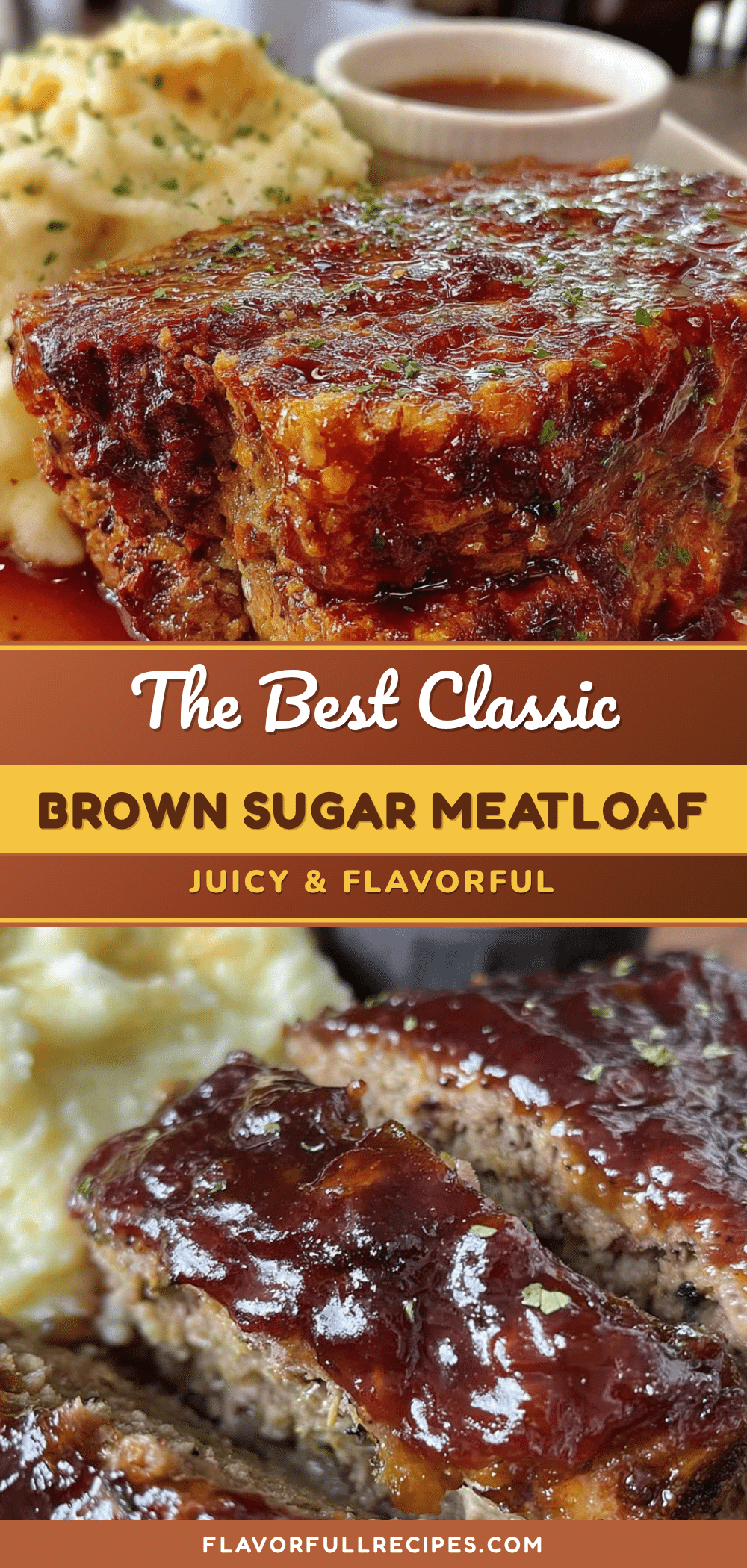
Classic Meatloaf with Brown Sugar Glaze – Easy Family Dinner Recipe
- Total Time: 85 minutes
- Yield: 8 servings 1x
Description
This Classic Meatloaf with Brown Sugar Glaze is incredibly moist and tender, thanks to a panade (bread-and-milk mixture) that keeps the meat from turning into a dense block. The sweet, tangy, slightly sticky topping caramelizes in the oven and creates a crust that’s absolutely addictive.
Ingredients
- 2 pounds ground beef (80/20)
- 1 cup plain breadcrumbs (or panko)
- ½ cup whole milk (or 2%)
- 1 medium yellow onion, finely diced
- 3 cloves garlic, minced
- 2 large eggs, lightly beaten
- 2 tablespoons Worcestershire sauce
- 2 tablespoons ketchup
- 1 tablespoon Dijon mustard
- 1 teaspoon dried thyme
- 1½ teaspoons salt
- ½ teaspoon freshly ground black pepper
- 2 tablespoons fresh parsley, chopped (optional, for garnish)
- ½ cup ketchup (for glaze)
- ¼ cup packed brown sugar (light or dark)
- 1 tablespoon apple cider vinegar
- 1 teaspoon Worcestershire sauce (for glaze)
- ½ teaspoon garlic powder
Instructions
- Preheat oven to 350°F (175°C). Line a 9×5-inch loaf pan with parchment paper or spray with nonstick cooking spray. Place the loaf pan on a rimmed baking sheet.
- In a large mixing bowl, combine breadcrumbs and milk. Stir and let sit for about 5 minutes to form a panade.
- While the panade rests, heat a small skillet over medium heat with a drizzle of oil. Add diced onion and cook for 3-4 minutes until soft and translucent. Add minced garlic and cook for 30 seconds until fragrant. Let cool slightly.
- Add ground beef to the bowl with the panade. Add sautéed onion and garlic, beaten eggs, 2 tablespoons Worcestershire sauce, 2 tablespoons ketchup, Dijon mustard, dried thyme, salt, and pepper. Gently mix with your hands until just combined—do not overmix.
- Transfer the meat mixture to the prepared loaf pan. Gently press into an even shape, smoothing the top. Avoid packing it down hard.
- In a small bowl, whisk together ½ cup ketchup, brown sugar, apple cider vinegar, 1 teaspoon Worcestershire sauce, and garlic powder until smooth and glossy.
- Bake the meatloaf uncovered for 45 minutes.
- After 45 minutes, remove from oven and spoon or brush about half the glaze over the top and sides. Return to oven and bake for 15 minutes.
- Apply the remaining glaze and bake for another 10-15 minutes, until the internal temperature reaches 160°F (71°C) in the center.
- Remove from oven and let rest in the pan for 10-15 minutes. Slice and serve with pan juices spooned over the top.
Notes
Don’t overmix the meat—mix until just combined to avoid toughness. Use a meat thermometer for perfect doneness (160°F/71°C). Let the meatloaf rest for 10-15 minutes before slicing to keep it from falling apart. Line the pan with parchment paper for easy cleanup. Double the glaze if you want extra for serving.
- Prep Time: 15 minutes
- Cook Time: 70 minutes
- Category: Main Course
- Cuisine: American
Nutrition
- Serving Size: 1 slice (based on 8
- Calories: 385
- Sugar: 12
- Sodium: 680
- Fat: 22
- Saturated Fat: 8
- Carbohydrates: 18
- Fiber: 1
- Protein: 28
Keywords: classic meatloaf, brown sugar glaze, easy meatloaf, family dinner, comfort food, ground beef recipe