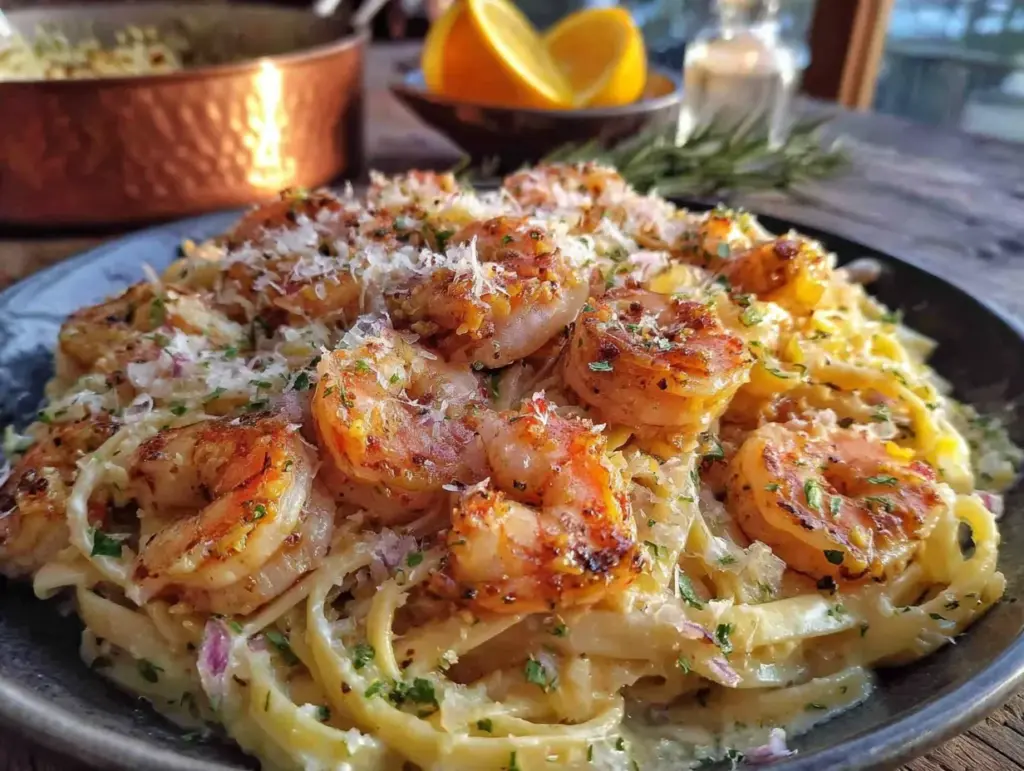
The garlic was already smashed on the cutting board, three cloves of it, because that’s what you do when you’re procrastinating dinner. The kids were circling, my husband was texting “what’s for dinner?” from the living room, and the only protein I had was a bag of frozen shrimp I’d shoved in the freezer two weeks ago. I wasn’t planning on making anything special. Honestly, I was about to order pizza.
But then I saw the half-used stick of butter sitting on the counter, the parsley I bought for some other recipe I’d already forgotten about, and that bag of linguine in the pantry. And I just started cooking. No plan, no recipe pulled up on my phone—just instinct. Ten minutes later, I was standing over the stove with a fork, twirling the most buttery, garlicky, ridiculous pasta I’d made in months, and I hadn’t even broken a sweat.
That’s the thing about this quick garlic butter shrimp pasta. It doesn’t ask for a grocery run or a complicated prep list. It shows up when you need it most, and it makes you look like you actually have your life together. This isn’t a recipe I tested a dozen times—it’s a recipe I lived, over and over, on those nights when dinner felt like a chore. It’s the kind of meal that makes you close your eyes after the first bite, and I think that’s worth sharing.
Why You’ll Love This Recipe
Let’s be real—there are a million shrimp pasta recipes out there. But this one? It’s different. And I’m not just saying that because I made it. I’ve tested this exact method on weeknights, for last-minute guests, and even on a Tuesday when I was running on three hours of sleep. Every single time, it delivers.
- Ready in 15 minutes flat. From the moment you start boiling water to the moment you’re twirling pasta on your fork—fifteen minutes, maybe less if you move fast. This is faster than takeout, and I promise it tastes better.
- Simple, everyday ingredients. You probably have most of this in your kitchen right now. Butter, garlic, shrimp, pasta, and a few pantry staples. No chasing down obscure ingredients at three different stores.
- Perfect for busy weeknights. Whether you’re feeding a hungry family or just yourself after a long day, this recipe fits. It’s fancy enough for company but easy enough for a Tuesday.
- A total crowd-pleaser. I’ve served this to picky kids, seafood skeptics, and pasta purists. The empty plates speak for themselves. There’s something about that garlic butter sauce that wins everyone over.
- Unbelievably delicious. The shrimp stays tender, the pasta soaks up all that buttery garlic goodness, and every bite tastes like comfort food with a little something extra. It’s the kind of meal that makes you forget you made it in fifteen minutes.
What really sets this apart is the technique. Most recipes overcook the shrimp or end up with a watery sauce. I’ve figured out the exact timing and temperature to get that perfect sear on the shrimp and a sauce that clings to every strand of pasta. It’s not just another version—it’s the version I keep coming back to.
What Ingredients You Will Need
This recipe keeps things simple, using ingredients that work together to create something greater than the sum of their parts. Here’s what you’ll need, along with a few notes from my own kitchen experience.
- 8 ounces linguine or spaghetti – I prefer linguine because the flat strands catch the sauce beautifully, but spaghetti works just as well. If you’re gluten-free, use your favorite GF pasta—just be careful not to overcook it.
- 1 pound large shrimp, peeled and deveined – Look for shrimp that are 21-25 count per pound (that’s the size, not the price). I use frozen shrimp all the time—just thaw them under cold running water for a few minutes. Pat them really dry with paper towels before cooking; that’s the secret to a good sear.
- 4 tablespoons unsalted butter – I use unsalted so I can control the salt level. If you only have salted butter, just reduce the added salt by about ¼ teaspoon. Kerrygold is my go-to for the richest flavor, but any good butter works.
- 4 cloves garlic, minced – Fresh garlic is non-negotiable here. The jarred stuff won’t give you that same punch. I mince mine fine so it melts into the butter without burning.
- ¼ teaspoon red pepper flakes – This adds a gentle warmth, not heat. If you’re sensitive to spice, start with ⅛ teaspoon. If you love heat, add a full ½ teaspoon.
- ½ cup dry white wine – Use something you’d actually drink. Sauvignon Blanc or Pinot Grigio works perfectly. No wine? Substitute with chicken broth and a squeeze of lemon juice.
- ¼ cup fresh parsley, chopped – Flat-leaf parsley has more flavor than curly, but either works. This adds freshness and color at the end.
- Juice of ½ lemon – Fresh lemon juice brightens everything up. Don’t use bottled—it tastes flat and artificial.
- ½ cup reserved pasta water – This is liquid gold. The starchy water helps the sauce cling to the pasta and gives it that silky texture. Don’t skip this step.
- Salt and black pepper to taste
- Optional: ¼ cup grated Parmesan cheese – I add this about half the time. It adds a salty, nutty depth that’s lovely, but the recipe is also delicious without it.
Equipment Needed
You don’t need a fancy kitchen to make this recipe. Here’s what I use, along with a few practical tips.
- Large pot – For boiling the pasta. Make sure it’s big enough that the pasta has room to move around. I use a 5-quart pot, and it’s perfect.
- Large skillet or sauté pan – A 12-inch skillet is ideal. You want enough surface area to cook the shrimp in a single layer without crowding them. A non-stick pan works fine, but stainless steel or cast iron gives you a better sear.
- Colander – For draining the pasta. Don’t rinse the pasta—you want that starch to help the sauce stick.
- Measuring cups and spoons – I’m usually a “cook by feel” person, but for this recipe, the measurements matter, especially for the wine and pasta water.
- Chef’s knife and cutting board – A sharp knife makes mincing garlic and chopping parsley a breeze. A dull knife is just frustrating.
- Tongs – For tossing the pasta with the sauce. They give you way more control than a spoon.
- Ladle or measuring cup – For reserving that precious pasta water before you drain the noodles.
If you don’t have a large skillet, a Dutch oven works great too. And if you’re using a smaller pan, cook the shrimp in batches so they actually brown instead of steam.
Preparation Method
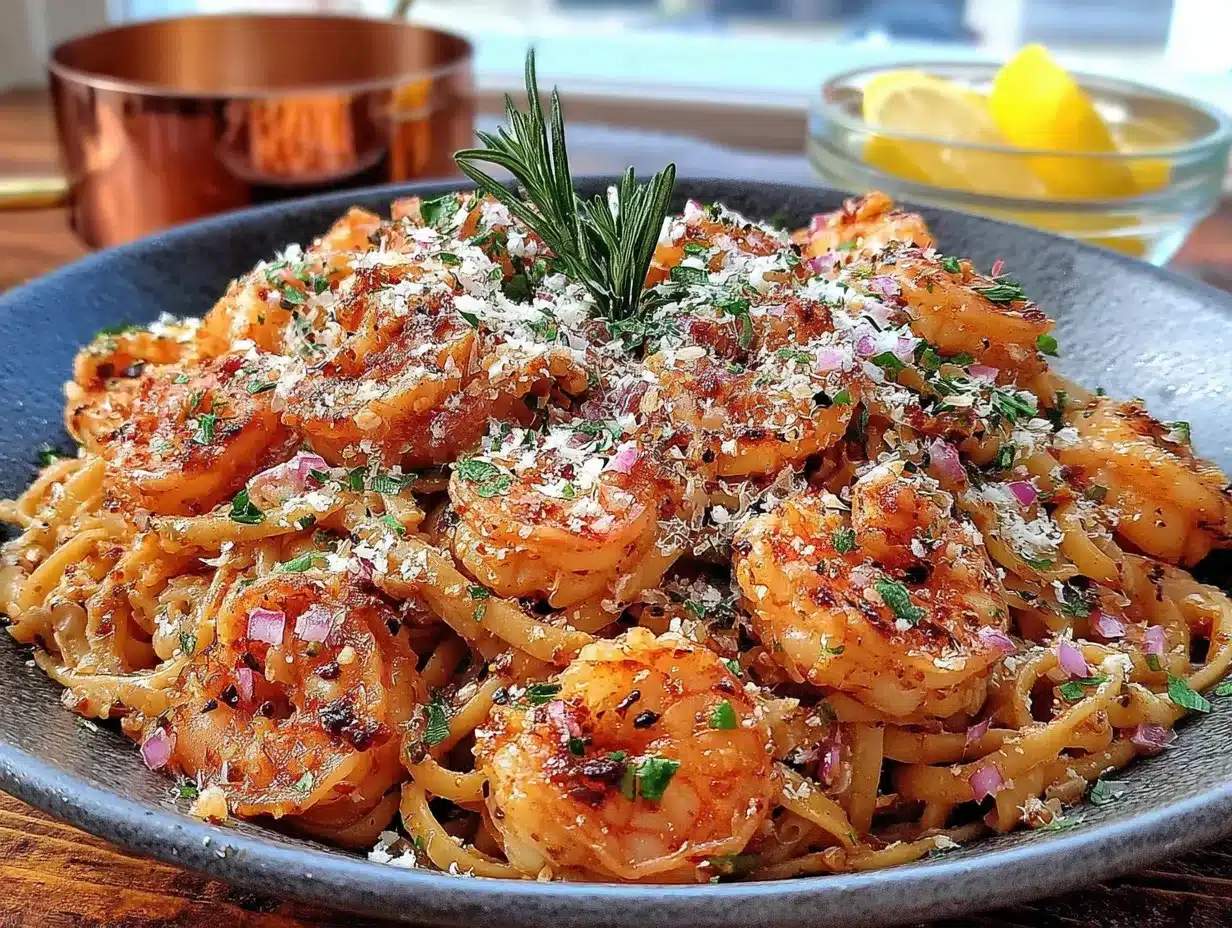
This comes together fast, so I recommend prepping everything before you start cooking. That garlic isn’t going to mince itself, and once that pasta water boils, you’ll want to move quickly.
- Bring a large pot of salted water to a rolling boil. Use about 1 tablespoon of salt per 4 quarts of water. It should taste like the sea. Add the pasta and cook according to package directions until al dente. Reserve ½ cup of the pasta water before draining. Do NOT rinse the pasta—just drain it and set it aside.
- While the pasta cooks, pat the shrimp completely dry with paper towels. This is the most important step for getting a good sear. Season them generously with salt and pepper on both sides. I’m talking a good pinch—don’t be shy.
- Heat a large skillet over medium-high heat. Add 1 tablespoon of the butter. Once it’s melted and sizzling (but not browning), add the shrimp in a single layer. Cook for 1-2 minutes per side, until they’re pink and opaque with a nice golden crust. Don’t overcrowd the pan—if your skillet is small, cook the shrimp in two batches. Transfer the cooked shrimp to a plate and set aside.
- Reduce the heat to medium. Add the remaining 3 tablespoons of butter to the same skillet. Once it melts, add the minced garlic and red pepper flakes. Cook for about 30 seconds, stirring constantly, until the garlic is fragrant. Don’t let it burn—burnt garlic tastes bitter and will ruin the whole dish.
- Pour in the white wine. Stir and scrape up any browned bits from the bottom of the pan. Let it simmer for about 1 minute, until the wine reduces slightly and the alcohol cooks off. The smell at this point is absolutely intoxicating.
- Add the reserved pasta water and lemon juice. Stir to combine. Let the sauce bubble for another 30 seconds. It should look glossy and slightly thickened.
- Add the drained pasta to the skillet. Use tongs to toss the pasta in the sauce, making sure every strand gets coated. If the sauce seems too thick, add a splash more pasta water. If it’s too thin, let it simmer for another 30 seconds.
- Return the shrimp to the skillet. Toss everything together gently. Add the chopped parsley and toss once more. Taste and adjust salt and pepper if needed.
- Serve immediately. If you’re using Parmesan, sprinkle it over the top right before serving. The heat from the pasta will melt it slightly, which is exactly what you want.
The whole process—from boiling water to plated dinner—takes about 15 minutes. I’ve timed it. If you’re feeling ambitious, you can also make a batch of easy garlic butter chicken breast bites with Parmesan for another quick weeknight win.
Cooking Tips & Techniques
I’ve made this recipe more times than I can count, and I’ve learned a few things the hard way. Here are the tips that make the difference between good pasta and unforgettable pasta.
Pat those shrimp dry. I cannot stress this enough. Wet shrimp steam instead of sear, and you end up with rubbery, pale shrimp instead of golden, tender ones. Take the extra 30 seconds to really dry them off.
Don’t overcook the shrimp. Shrimp cook in about 2-3 minutes total. The moment they turn pink and curl into a loose C shape, they’re done. If they curl into a tight O, you’ve overcooked them. I learned this lesson the hard way when I made a beautiful-looking pasta with tough, rubbery shrimp. Never again.
Save that pasta water. I used to dump it down the drain without thinking. Now I always save at least a cup before draining. The starch in the water helps the sauce emulsify and cling to the pasta. It’s the difference between a sauce that pools at the bottom of the bowl and a sauce that coats every strand.
Work quickly once the garlic hits the pan. Garlic goes from fragrant to burnt in about 15 seconds. Have your wine measured and ready to pour before you add the garlic to the butter. That way, you can deglaze the pan immediately if the garlic starts browning too fast.
Use the same skillet for everything. One pan means less cleanup, plus all those browned bits from the shrimp add incredible flavor to the sauce. It’s like getting two layers of seasoning for the price of one.
If you love quick, flavorful seafood dishes, you’ll also enjoy these quick honey garlic salmon bites ready in 10 minutes.
Variations & Adaptations
This recipe is a fantastic base, and I’ve played around with it more times than I can count. Here are a few of my favorite variations.
Gluten-Free Version: Swap the regular pasta for your favorite gluten-free spaghetti or linguine. Just be careful with the cooking time—GF pasta can go from al dente to mushy in seconds. I like the Barilla brand for its texture.
Dairy-Free Version: Replace the butter with a high-quality olive oil or a dairy-free butter substitute. The flavor will be different but still delicious. I’ve used extra virgin olive oil before, and it gives the dish a fruitier, more Mediterranean vibe.
Add Vegetables: Toss in a handful of fresh spinach or cherry tomatoes when you add the shrimp back to the pan. The spinach wilts in about 30 seconds, and the tomatoes burst and add a sweet acidity that balances the richness. I’ve also added asparagus tips when they’re in season.
Make It Spicier: Double the red pepper flakes, or add a pinch of cayenne with the garlic. If you really want heat, stir in a teaspoon of sriracha or chili oil at the end.
Protein Swap: No shrimp? Use chicken breast cut into bite-sized pieces, or even scallops. Just adjust the cooking time accordingly. Chicken will need a few extra minutes per side.
Creamy Version: Stir in ¼ cup of heavy cream along with the pasta water for a richer, more decadent sauce. It’s not traditional, but it’s absolutely delicious on a cold winter night.
Lemon-Herb Version: Add a teaspoon of lemon zest along with the garlic, and toss in a tablespoon of fresh dill or basil along with the parsley. The extra brightness is lovely in the summer.
Serving & Storage Suggestions
This pasta is best served immediately, while the shrimp are still tender and the sauce is glossy. But I’ve also eaten it cold from the fridge at midnight, and I’m not ashamed to admit it was still good.
Serving Temperature: Serve hot, straight from the skillet. The shrimp should be warm and the pasta should be glistening with that buttery sauce. A final squeeze of lemon over the top right before serving brightens everything up.
Presentation: Twirl the pasta into neat nests using tongs, then top with a few shrimp and a sprinkle of fresh parsley. A lemon wedge on the side looks beautiful and lets people add more acidity if they want.
What to Serve With It: A simple green salad with a lemon vinaigrette is perfect. Crusty bread for sopping up any extra sauce is non-negotiable in my house. A glass of the same white wine you used in the sauce ties it all together beautifully. For a heartier meal, pair it with this fresh Mediterranean chickpea salad for a complete dinner.
Storage: Store leftovers in an airtight container in the refrigerator for up to 2 days. The shrimp will lose some texture upon reheating, but the flavor will still be there.
Reheating: The best way to reheat is in a skillet over medium-low heat with a splash of water or chicken broth. Toss gently until warmed through. The microwave works in a pinch, but it tends to overcook the shrimp and dry out the pasta.
Freezing: I don’t recommend freezing this dish. The shrimp will become rubbery and the pasta will turn mushy upon thawing. This is one of those recipes that’s so quick to make, there’s really no need to freeze it.
Nutritional Information & Benefits
Here’s the approximate nutritional breakdown for one serving (based on 4 servings, without Parmesan):
| Nutrient | Amount Per Serving |
|---|---|
| Calories | 485 |
| Protein | 32g |
| Carbohydrates | 48g |
| Fat | 18g |
| Saturated Fat | 9g |
| Fiber | 2g |
| Sodium | 620mg |
Shrimp is an excellent source of lean protein, providing about 20 grams per serving. It’s also rich in selenium, vitamin B12, and omega-3 fatty acids, which support heart health and brain function. The garlic in this recipe contains allicin, a compound known for its immune-boosting properties. And that fresh parsley? It’s packed with vitamin K and antioxidants.
If you’re watching your carb intake, you can swap the pasta for zucchini noodles or spaghetti squash. The sauce works beautifully with either option. For a higher-fiber meal, use whole wheat pasta instead of white pasta.
This recipe is naturally nut-free and can be made dairy-free and gluten-free with the substitutions mentioned above. It’s also relatively low in added sugars—the only sweetness comes from the natural sugars in the wine and shrimp.
Conclusion
This quick garlic butter shrimp pasta has become my emergency dinner, my last-minute guest pleaser, and my “I don’t feel like cooking but I have to eat” solution. It’s proof that you don’t need hours in the kitchen or a complicated ingredient list to make something truly memorable.
What I love most about this recipe is how forgiving it is. You can add more garlic, less butter, extra lemon, a handful of spinach—it adapts to whatever you have on hand. It’s the kind of recipe you’ll make once, then again two days later because you’re craving it, and then you’ll have it memorized and stop measuring entirely.
I’d love to hear how this turns out for you. Did you add your own twist? Did you serve it with something unexpected? Drop a comment below and let me know—I read every single one, and your ideas often end up in my own kitchen. And if you loved this recipe, share it with a friend who needs a quick dinner win. Happy cooking!
Frequently Asked Questions
Can I use frozen shrimp without thawing them first?
You can, but I don’t recommend it. Frozen shrimp will release a lot of water into the pan, which prevents them from searing properly. If you’re in a hurry, thaw them under cold running water for about 5 minutes, then pat them very dry before cooking.
What can I use instead of white wine?
Chicken or vegetable broth works perfectly. Add a tablespoon of lemon juice to mimic the acidity of the wine. If you have it, a splash of dry vermouth is also a great substitute.
Can I make this recipe ahead of time?
This is really best made fresh. The shrimp and pasta both lose quality when reheated. However, you can prep the ingredients ahead—peel the shrimp, mince the garlic, chop the parsley—so everything is ready to go when you want to cook.
How do I know when the shrimp are fully cooked?
Cooked shrimp turn pink and opaque, and they curl into a loose C shape. If they’re still gray or translucent, they need more time. If they’re curled into a tight O, they’re overcooked. Pay attention to the color—it’s the most reliable indicator.
Can I use pre-cooked shrimp?
You can, but the texture won’t be as good. Pre-cooked shrimp tend to become rubbery when reheated. If that’s all you have, add them at the very end and just warm them through for about 30 seconds—don’t actually cook them.
Pin This Recipe!
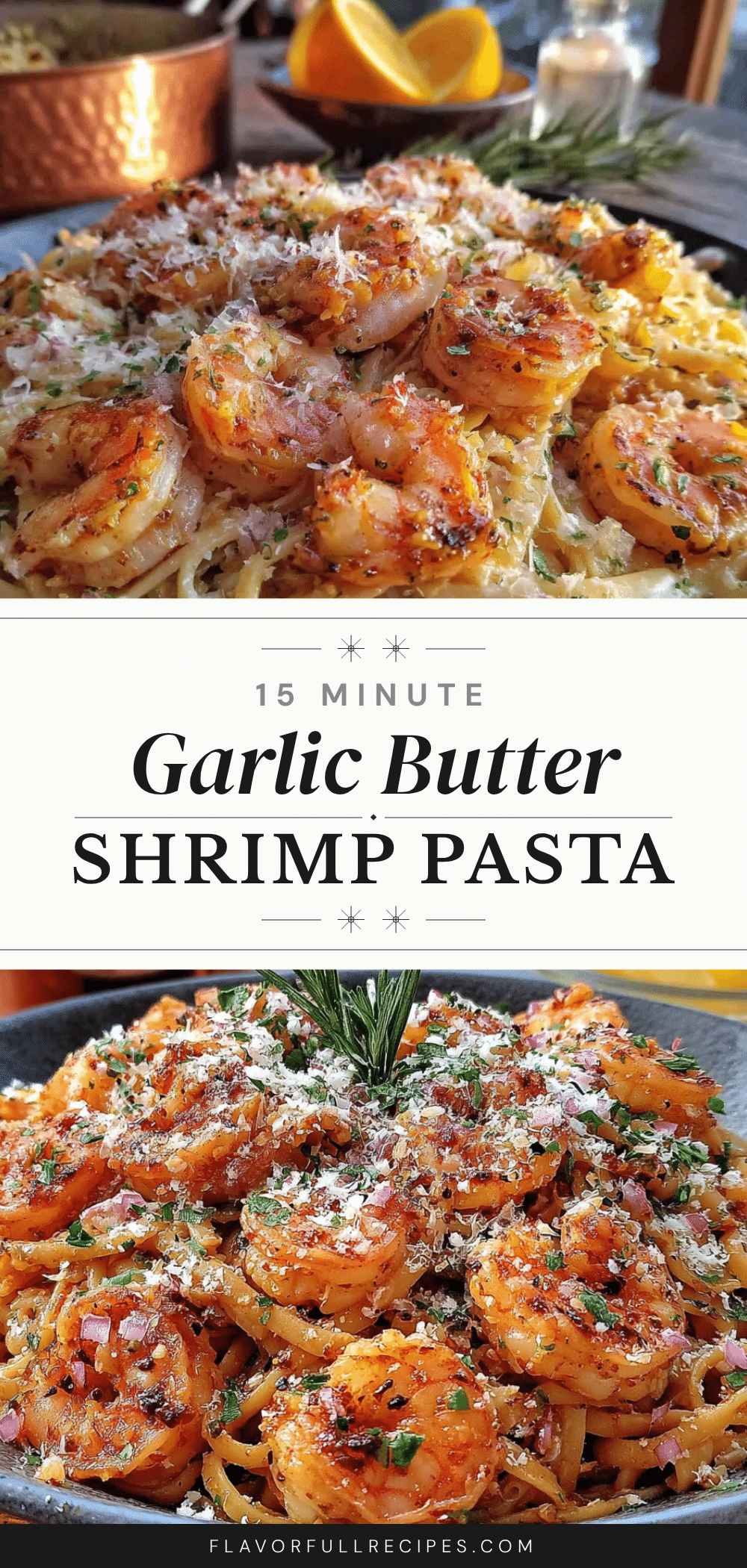
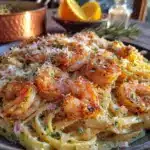
Quick Garlic Butter Shrimp Pasta: Easy 15-Minute Dinner
- Total Time: 15 minutes
- Yield: 4 servings 1x
Description
This quick garlic butter shrimp pasta is a lifesaver for busy weeknights. Ready in just 15 minutes, it uses simple ingredients like butter, garlic, shrimp, and pasta to create a delicious, crowd-pleasing meal that tastes like comfort food with a little something extra.
Ingredients
- 8 ounces linguine or spaghetti
- 1 pound large shrimp, peeled and deveined (21–25 count per pound)
- 4 tablespoons unsalted butter
- 4 cloves garlic, minced
- ¼ teaspoon red pepper flakes
- ½ cup dry white wine (such as Sauvignon Blanc or Pinot Grigio)
- ¼ cup fresh parsley, chopped
- Juice of ½ lemon
- ½ cup reserved pasta water
- Salt and black pepper to taste
- Optional: ¼ cup grated Parmesan cheese
Instructions
- Bring a large pot of salted water to a rolling boil. Add the pasta and cook according to package directions until al dente. Reserve ½ cup of the pasta water before draining. Do not rinse the pasta.
- While the pasta cooks, pat the shrimp completely dry with paper towels. Season generously with salt and pepper on both sides.
- Heat a large skillet over medium-high heat. Add 1 tablespoon of the butter. Once melted and sizzling, add the shrimp in a single layer. Cook for 1-2 minutes per side, until pink and opaque with a golden crust. Transfer to a plate and set aside.
- Reduce heat to medium. Add the remaining 3 tablespoons of butter to the same skillet. Once melted, add the minced garlic and red pepper flakes. Cook for about 30 seconds, stirring constantly, until fragrant.
- Pour in the white wine. Stir and scrape up any browned bits from the bottom of the pan. Let simmer for about 1 minute until slightly reduced.
- Add the reserved pasta water and lemon juice. Stir to combine. Let the sauce bubble for another 30 seconds until glossy and slightly thickened.
- Add the drained pasta to the skillet. Use tongs to toss the pasta in the sauce, coating every strand. If too thick, add a splash more pasta water; if too thin, let simmer for 30 seconds.
- Return the shrimp to the skillet. Toss everything together gently. Add the chopped parsley and toss once more. Taste and adjust salt and pepper if needed.
- Serve immediately. If using Parmesan, sprinkle over the top right before serving.
Notes
Pat shrimp dry for a good sear. Don’t overcook shrimp; they are done when pink and curled into a loose C shape. Reserve pasta water to help sauce cling. Work quickly once garlic hits the pan to avoid burning. Use the same skillet for everything to build flavor.
- Prep Time: 5 minutes
- Cook Time: 10 minutes
- Category: Main Course
- Cuisine: Italian-American
Nutrition
- Serving Size: 1 serving (about 1/4
- Calories: 485
- Sugar: 2
- Sodium: 620
- Fat: 18
- Saturated Fat: 9
- Carbohydrates: 48
- Fiber: 2
- Protein: 32
Keywords: quick garlic butter shrimp pasta, easy shrimp pasta, 15-minute dinner, weeknight dinner, garlic butter shrimp, shrimp linguine