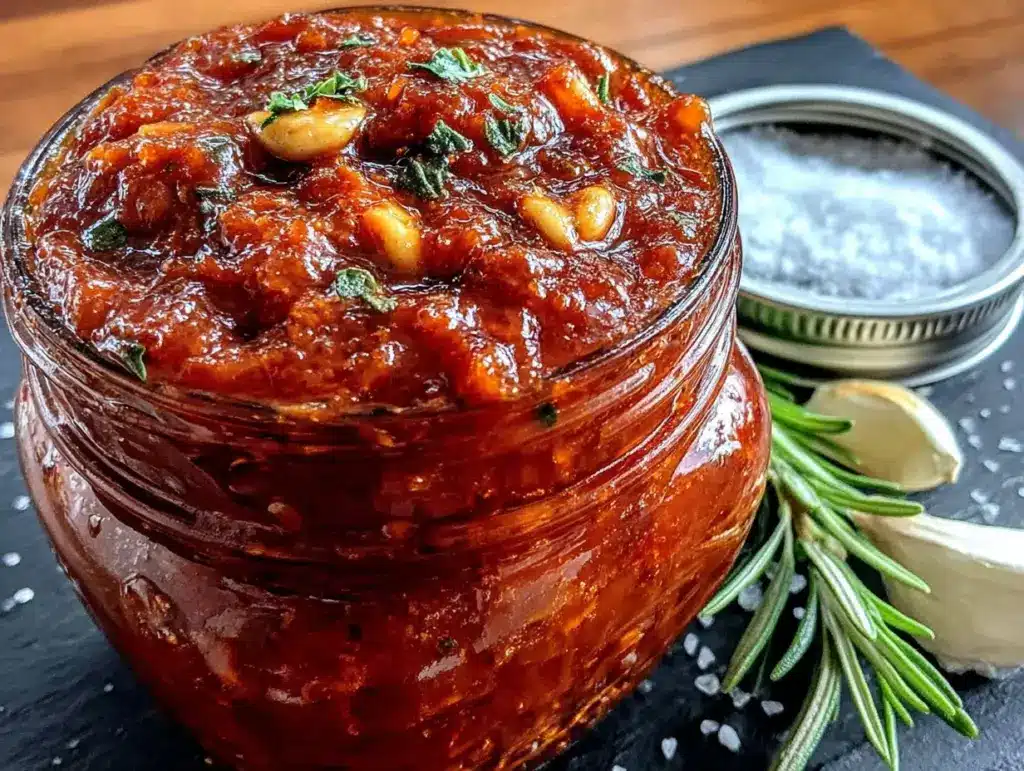
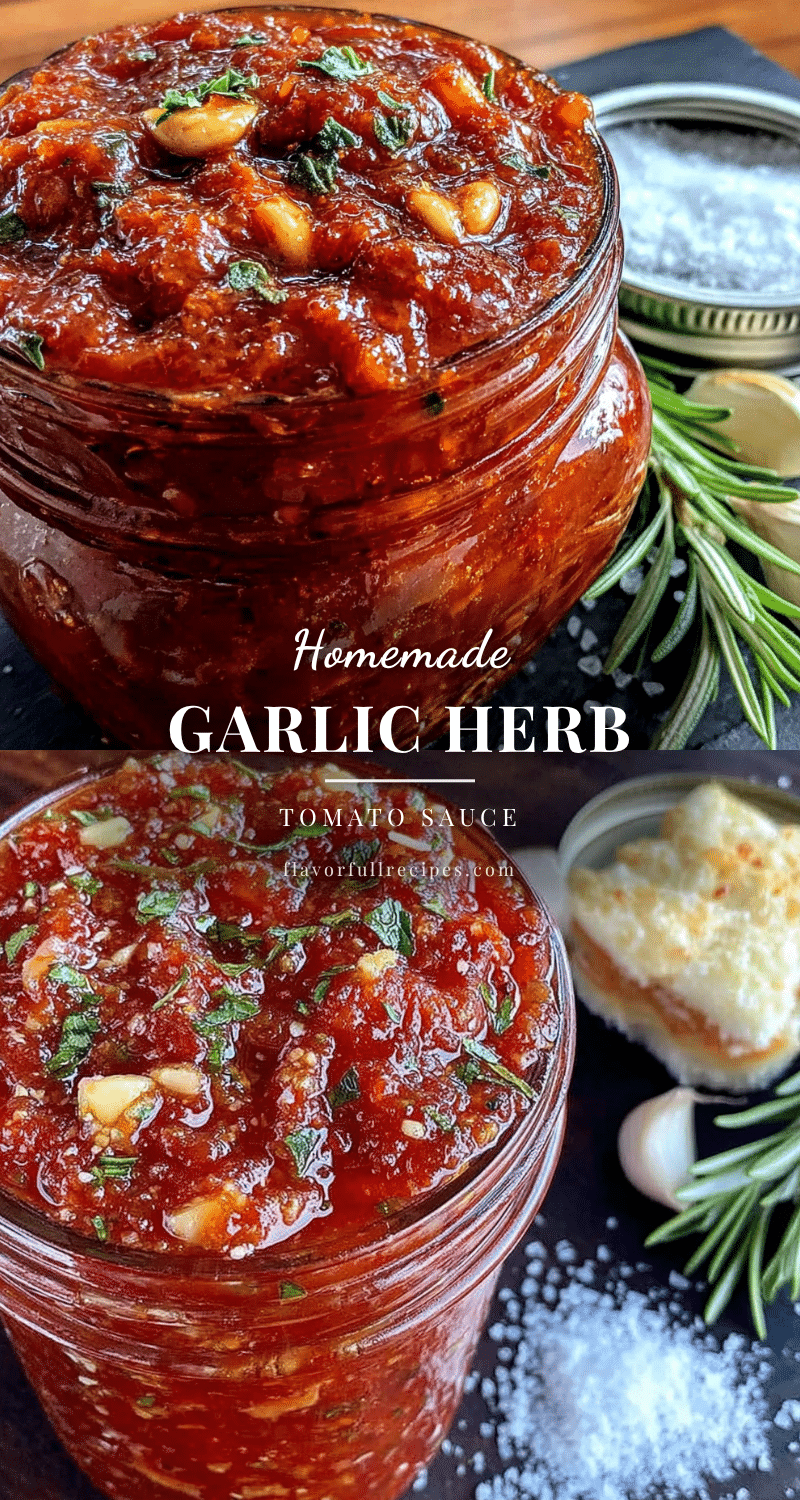
Staring at a mountain of Roma tomatoes from my neighbor’s garden—honestly, I hadn’t planned for any of this. It was late August, the counter was overflowing, and I had exactly one hour before I needed to pick up the kids. The last thing I wanted was another sad jar of store-bought sauce with ingredients I couldn’t pronounce. So I grabbed my biggest pot, a head of garlic that was starting to sprout, and a handful of herbs that were practically begging to be used. This easy garlic herb tomato sauce for freezing was born out of pure, sweaty-palmed necessity.
I didn’t have a fancy recipe or a culinary degree to fall back on that afternoon. I just started chopping and tossing things in, hoping for the best. The smell that filled my kitchen was unbelievable—like a slow Sunday dinner, even though it was a frantic Tuesday. By the time the sauce was bubbling away, I knew I had stumbled onto something special. It wasn’t just good; it was the kind of sauce that makes you want to eat it straight from the spoon.
That first batch got us through a whole winter of quick weeknight pastas and lazy Sunday pizzas. And the best part? It freezes like a dream. This recipe isn’t about perfection; it’s about capturing a moment of summer when the tomatoes are at their peak and turning it into a secret weapon for your busiest days. Trust me, your future self will thank you when you pull a jar of this out of the freezer on a cold Wednesday night.
Why You’ll Love This Recipe
This isn’t just another tomato sauce recipe you’ll forget about. I’ve tested this easy garlic herb tomato sauce for freezing at least a dozen times, tweaking the herb ratios and cooking times until it was just right. Here’s why it’s become a staple in my kitchen:
- Super Simple Ingredients: No fancy imported cans or hard-to-find spices. You probably have most of these in your pantry and garden right now.
- Freezer-Friendly Forever: This sauce actually tastes better after a month in the freezer. The flavors meld together beautifully, and it thaws perfectly without separating or getting watery.
- Incredibly Versatile: Use it for pasta, lasagna, pizza, dipping breadsticks, or even as a base for soups and stews. It does the heavy lifting so you don’t have to.
- Budget-Friendly Cooking: When tomatoes are in season, this is one of the most affordable ways to stock your freezer with gourmet-quality sauce. You’re preserving flavor and saving money at the same time.
- No Fuss, Big Flavor: The hands-on time is about 20 minutes. After that, the oven does all the work. You can clean the kitchen, fold laundry, or just sit down with a glass of wine while it roasts.
I remember pulling a bag of this sauce out of the freezer last January when a snowstorm hit and I couldn’t get to the store. Dinner was ready in the time it took to boil pasta. That moment alone made every hour I spent chopping tomatoes in August completely worth it.
What Ingredients You Will Need
This recipe is built around simple, wholesome ingredients that deliver bold flavor without any fuss. The key is using good quality produce and letting the roasting process do the magic. Here’s what you’ll need:
- Roma Tomatoes (5 pounds): These are my go-to for sauce because they have fewer seeds and thicker flesh, which means less watery sauce. Look for firm, deep red tomatoes that feel heavy for their size. If you can’t find Romas, San Marzano or plum tomatoes work beautifully too.
- Garlic (1 full head): Don’t skimp here! Roasted garlic turns sweet and mellow, completely transforming the sauce. I prefer using fresh garlic cloves, not the pre-minced stuff from a jar—the flavor difference is night and day.
- Fresh Basil (1 cup, packed): Fresh basil is non-negotiable for that bright, peppery-sweet flavor. I grow my own in a pot on the windowsill, but grocery store bunches work perfectly. Roll the leaves up like a cigar and slice them into ribbons (chiffonade) for the best texture.
- Fresh Oregano (2 tablespoons): Oregano adds that warm, slightly bitter note that balances the sweetness of the tomatoes. If you only have dried, use 2 teaspoons—dried herbs are more concentrated.
- Fresh Thyme (1 tablespoon leaves): Thyme brings an earthy, almost lemony undertone that makes this sauce taste like it simmered all day. Just run your fingers down the stem to strip off the leaves.
- Extra Virgin Olive Oil (¼ cup): Use a good quality olive oil here—it’s a major flavor component, not just a cooking fat. The oil helps the herbs bloom and carries their flavor throughout the sauce.
- Yellow Onion (1 large): Onions add natural sweetness and body to the sauce. I like yellow onions for their balanced flavor, but sweet onions like Vidalia work great too.
- Salt (2 teaspoons, plus more to taste): I use kosher salt because it dissolves evenly and doesn’t have any metallic aftertaste. Start with less and adjust at the end—you can always add more, but you can’t take it out.
- Black Pepper (1 teaspoon): Freshly ground black pepper adds a subtle heat that wakes up all the other flavors. Don’t use pre-ground pepper if you can help it—it just doesn’t have the same punch.
- Balsamic Vinegar (1 tablespoon, optional): This isn’t traditional, but I love adding a splash of balsamic at the end. It brightens the sauce and adds a touch of sweetness without being obvious. Totally optional, but highly recommended.
One tip I learned the hard way: don’t skip the fresh herbs for dried ones in this recipe. The fresh herbs really make this easy garlic herb tomato sauce for freezing taste like summer in a jar. I tried it once with dried basil and oregano when I was out of fresh, and it was good, but not the same. The fresh herbs just have a vibrancy that survives the freezing process better.
Equipment Needed
You don’t need a fancy kitchen to make this sauce. Here’s what you’ll actually use:
- Large Baking Sheet with Rim (18×13 inches): A rimmed sheet is crucial—it catches all the tomato juices so they don’t spill over and burn in your oven. I use my trusty half-sheet pan for this.
- Parchment Paper or Silicone Baking Mat: This makes cleanup a breeze. The roasted tomatoes tend to stick a bit, and parchment paper saves you from scrubbing.
- Heavy-Bottomed Dutch Oven or Large Pot: You need something that distributes heat evenly. My 6-quart Le Creuset is my go-to, but any heavy pot works. Avoid thin aluminum pots—they’ll scorch the sauce.
- Immersion Blender or Regular Blender: An immersion blender is easier (you blend right in the pot), but a regular blender works too. Just be careful with hot liquid—only fill the blender halfway and vent the lid.
- Sharp Chef’s Knife: You’ll be chopping a lot of tomatoes, so a sharp knife makes the job faster and safer. Dull knives are actually more dangerous because they slip.
- Cutting Board: A large wooden or plastic board gives you room to work. I like using a board with a groove around the edge to catch juices.
- Freezer-Safe Containers or Bags: I use quart-sized freezer bags laid flat—they stack beautifully and thaw quickly. Mason jars work too, but leave an inch of headspace for expansion.
- Measuring Cups and Spoons: For accuracy, though this recipe is forgiving. I use my metal measuring spoons that don’t bend.
If you don’t have an immersion blender, no worries! Let the sauce cool slightly, then transfer it to a regular blender in batches. Just remember to remove the center cap from the lid and cover it with a kitchen towel to let steam escape. I learned that one the messy way.
Preparation Method
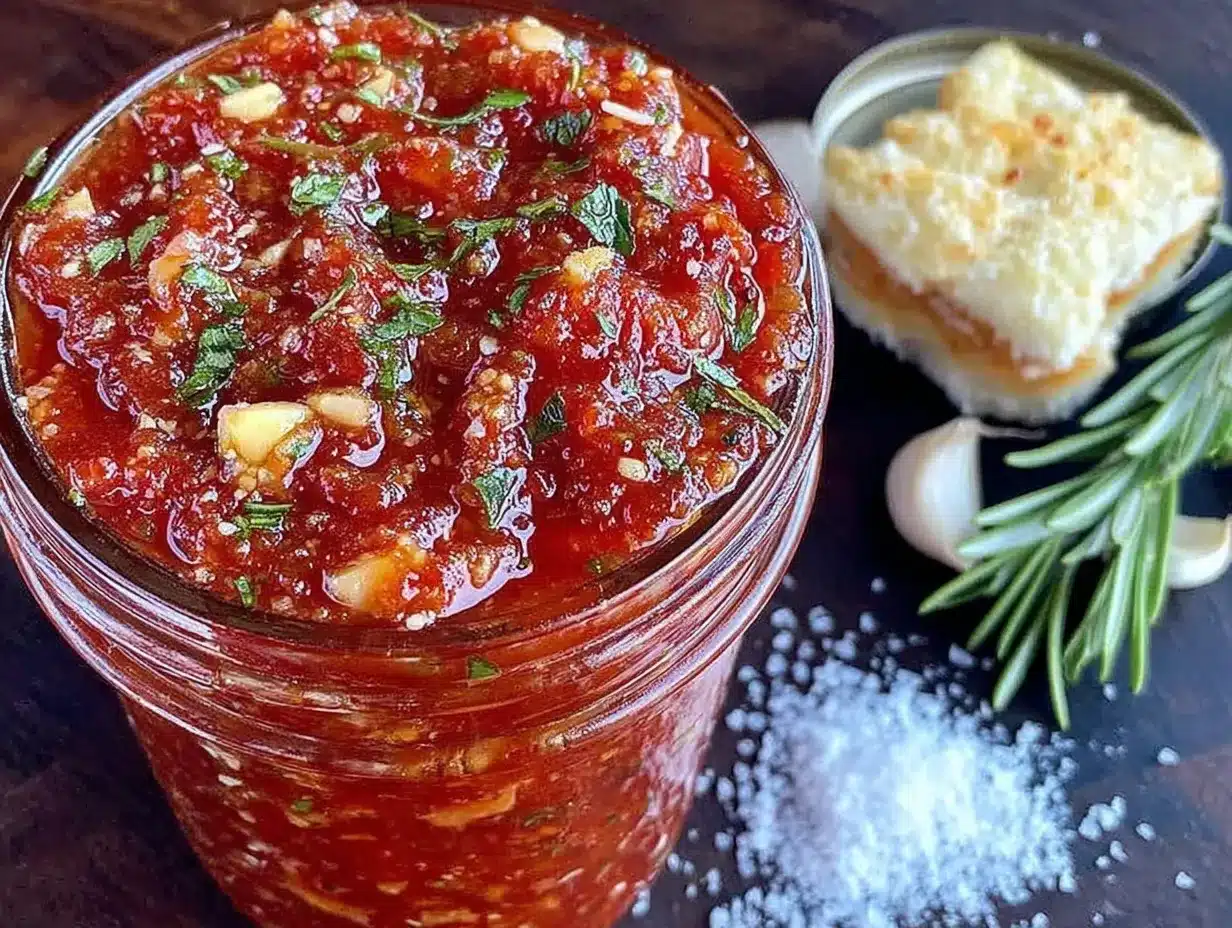
Let’s get cooking! This easy garlic herb tomato sauce for freezing comes together in a few simple steps. Take your time with the prep, and the rest is practically hands-off.
Step 1: Preheat and Prep Your Tomatoes
Preheat your oven to 400°F (200°C). While it’s heating up, wash your Roma tomatoes and cut them in half lengthwise. Place them cut-side up on your parchment-lined baking sheet. Don’t crowd them—give each tomato a little breathing room so they roast evenly. If they’re overlapping, they’ll steam instead of roast.
Step 2: Add the Garlic and Onions
Peel your onion and cut it into 8 wedges. Separate the cloves from your head of garlic (leave the skins on—they’ll slip right off after roasting). Scatter the onion wedges and garlic cloves around the tomatoes on the baking sheet. Drizzle everything with 2 tablespoons of olive oil and sprinkle with 1 teaspoon of salt. Give it a gentle toss with your hands to coat everything evenly.
Step 3: Roast Until Caramelized
Roast the vegetables for 40-45 minutes, until the tomatoes are wrinkled, blistered, and starting to caramelize around the edges. The garlic should be soft and golden when you squeeze it. Your kitchen will smell incredible at this point—like a pizzeria on a summer evening. Let everything cool on the baking sheet for about 10 minutes.
Step 4: Squeeze the Garlic
Once the garlic is cool enough to handle, squeeze each clove from the bottom. The roasted garlic will pop right out of its skin, soft and sweet and spreadable. Discard the skins. This is my favorite part—it feels like unwrapping a little gift.
Step 5: Blend It All Together
Transfer the roasted tomatoes, onions, and garlic to your Dutch oven or large pot. Add the fresh basil, oregano, thyme, remaining 2 tablespoons of olive oil, 1 teaspoon of salt, and black pepper. Use your immersion blender to puree everything until smooth. If you prefer a chunkier sauce, pulse it a few times instead of blending fully. I like mine somewhere in between—smooth but with a little texture.
Step 6: Simmer to Concentrate Flavor
Place the pot over medium heat and bring the sauce to a gentle simmer. Reduce the heat to low and let it bubble away, uncovered, for 20-30 minutes. Stir occasionally to prevent sticking. The sauce will thicken and darken slightly as it reduces. Taste it and adjust the salt and pepper. If it tastes flat, add a splash of balsamic vinegar—it really wakes everything up.
Step 7: Cool Completely Before Freezing
This step is crucial! Let the sauce cool to room temperature before you even think about freezing it. Hot sauce in the freezer will raise the temperature of everything around it and can cause freezer burn. I usually let it sit on the counter for an hour, then pop it in the fridge for another hour to speed things up.
Step 8: Portion and Freeze
Ladle the cooled sauce into your freezer bags or containers. For bags, lay them flat on a baking sheet and freeze them that way—they’ll stack like books in your freezer. Label each bag with the date and contents (trust me, frozen sauce all looks the same). This recipe makes about 6 cups of sauce, so I usually portion it into 2-cup bags, which is perfect for a pound of pasta.
Cooking Tips & Techniques
Over the years, I’ve made this easy garlic herb tomato sauce for freezing more times than I can count. Here are the little tricks I’ve picked up along the way:
- Roast, Don’t Boil: Roasting the tomatoes concentrates their natural sugars and adds a smoky depth that stovetop simmering just can’t achieve. Don’t skip this step—it’s the secret to that rich, complex flavor.
- Don’t Over-Blend: If you blend the sauce too much, it can become frothy and thin. Pulse your immersion blender in short bursts until it reaches your desired consistency. A little texture is a good thing.
- Watch for Acidity: If your sauce tastes too tangy, add a pinch of sugar or a grated carrot while it simmers. The carrot dissolves completely and adds natural sweetness without changing the flavor profile.
- Cool Quickly for Safety: To cool the sauce faster, divide it into smaller containers before refrigerating. A wide, shallow dish also helps it cool more quickly than a deep pot.
- Freeze in Flat Bags: Laying freezer bags flat to freeze creates uniform blocks that stack perfectly. I keep a dedicated “sauce shelf” in my freezer door for this purpose.
- Label Everything: I once pulled out a bag of frozen sauce thinking it was marinara, only to discover it was leftover soup from two months ago. Now I label everything with a permanent marker—date, contents, and suggested uses.
One mistake I made early on was adding too much garlic. Roasted garlic is sweet, but it can still overpower the tomatoes if you go overboard. One full head is the perfect balance—enough to taste it without it screaming at you.
Variations & Adaptations
This recipe is incredibly flexible. Here are some ways I’ve adapted it over the years:
- Spicy Arrabbiata Version: Add 2-3 dried red chili peppers or 1 teaspoon of red pepper flakes along with the herbs before blending. The heat builds as the sauce sits, so start with less and add more to taste.
- Creamy Tomato Sauce: After thawing and reheating, stir in ¼ cup of heavy cream or full-fat coconut milk for a luxurious, velvety sauce. It’s perfect for pasta or as a pizza base.
- Roasted Red Pepper Twist: Add 2 roasted red bell peppers (from a jar or homemade) to the blender along with the tomatoes. It adds sweetness and a gorgeous orange-red color.
- Herb-Free Version: If you’re out of fresh herbs, use 2 teaspoons each of dried basil, oregano, and thyme. Add them during the simmering step rather than the blending step for better flavor infusion.
- Low-Sodium Option: Skip the salt entirely during cooking and add it only when you’re ready to serve. This way, you control the sodium based on your dietary needs.
- Vegan & Gluten-Free: This recipe is naturally both! Just make sure your balsamic vinegar is gluten-free (most are, but check the label). Serve it over gluten-free pasta or zucchini noodles.
My personal favorite variation is adding a handful of sun-dried tomatoes (rehydrated in warm water) along with the fresh ones. It adds an intense, almost meaty umami flavor that makes the sauce taste like it simmered all day. I discovered this by accident when I had leftover sun-dried tomatoes in the fridge, and now I do it every time.
Serving & Storage Suggestions
This sauce is incredibly versatile. Here’s how I like to use and store it:
- Serving Temperature: Serve the sauce hot, straight from the pot or after thawing and reheating. It’s wonderful over al dente spaghetti, penne, or rigatoni. I also love it as a dipping sauce for crispy air fryer mozzarella sticks—the combination is absolutely addictive.
- Perfect Pairings: This sauce pairs beautifully with a simple green salad and crusty bread for dipping. For a heartier meal, serve it alongside best homemade meatballs recipe for a crowd over pasta. The sauce clings to the meatballs perfectly.
- Storage in the Fridge: Store leftover sauce in an airtight container in the refrigerator for up to 5 days. The flavors actually continue to develop and deepen over the first couple of days.
- Freezer Storage: Frozen sauce keeps well for up to 6 months. For best quality, use it within 3 months. Thaw overnight in the refrigerator or by placing the sealed bag in a bowl of warm water for 30 minutes.
- Reheating Tips: Reheat thawed sauce in a saucepan over medium-low heat, stirring occasionally. If it seems too thick, add a splash of pasta cooking water or broth to thin it out. Avoid boiling it vigorously, which can make the texture grainy.
- Flavor Development: I’ve noticed that this sauce tastes even better after a month in the freezer. The herbs and garlic meld together into a more cohesive flavor profile. It’s one of those rare recipes that actually benefits from time.
One of my favorite ways to use this sauce is in a quick easy 5-minute microwave mug lasagna when I need dinner in a hurry. Just layer the sauce with no-boil lasagna noodles, ricotta, and mozzarella, and you’ve got a single-serving comfort meal in minutes.
Nutritional Information & Benefits
This homemade sauce is not just delicious—it’s actually good for you. Here’s a rough breakdown per ½ cup serving (assuming 12 servings from the full recipe):
- Calories: 85
- Total Fat: 5g (mostly from heart-healthy olive oil)
- Sodium: 290mg (varies based on salt added)
- Total Carbohydrates: 9g
- Dietary Fiber: 3g
- Sugars: 5g (natural from tomatoes)
- Protein: 2g
- Vitamin C: 25% of Daily Value
- Vitamin A: 15% of Daily Value
- Potassium: 350mg
Tomatoes are packed with lycopene, a powerful antioxidant that’s been linked to heart health and reduced inflammation. Cooking tomatoes actually increases the bioavailability of lycopene, making this sauce even more nutritious than eating raw tomatoes. The olive oil helps your body absorb the lycopene more effectively—it’s a perfect nutritional pairing. Plus, fresh garlic and herbs add their own anti-inflammatory and immune-boosting properties.
This sauce is naturally gluten-free, dairy-free, vegan, and low in added sugars. If you’re watching your sodium, simply reduce or omit the salt and add it only when serving. I often make a salt-free batch specifically for my kids, who don’t need the extra sodium.
Conclusion
This easy garlic herb tomato sauce for freezing has honestly become my favorite kitchen shortcut. It’s the kind of recipe that makes you feel like a culinary genius even on your most exhausted days. The roasting brings out a sweetness you just can’t get from a can, and the fresh herbs add a brightness that makes every dish feel special.
I love that this recipe lets me capture the peak of summer tomato season and enjoy it months later. There’s something deeply satisfying about pulling a bag of homemade sauce from the freezer and knowing exactly what’s in it—no preservatives, no added sugar, just honest, delicious food. It’s my little act of self-care for future me.
I’d love to hear how this sauce works for you! Leave a comment below and let me know your favorite way to use it. Do you add any secret ingredients? Have you tried it in one of the variations I mentioned? Share your experience—your tips might help someone else discover their new favorite dinner hack. And if you’re looking for another easy meal prep idea, check out my easy turkey taco meal prep bowls for another freezer-friendly winner.
Frequently Asked Questions
Can I use canned tomatoes instead of fresh?
Absolutely! If fresh tomatoes aren’t in season, use two 28-ounce cans of whole peeled San Marzano tomatoes. Drain them slightly, then roast them the same way. The flavor won’t be quite as bright as peak-season fresh tomatoes, but it’s still delicious. Just reduce the roasting time to about 25 minutes since canned tomatoes are already cooked.
How long does this sauce last in the freezer?
This sauce stays fresh and flavorful for up to 6 months in the freezer, though I recommend using it within 3 months for the best taste. After that, it’s still safe to eat, but the flavor might start to fade. Make sure to label your bags with the date so you know which batch to use first.
Can I can this sauce instead of freezing it?
Yes, you can water-bath can this sauce if you add enough acid. Tomatoes are borderline in terms of acidity, so you’ll need to add 1 tablespoon of bottled lemon juice per pint jar before processing. Process in a boiling water bath for 35 minutes (adjust for altitude). However, I prefer freezing because it’s simpler and the texture stays more vibrant.
Why is my sauce watery after thawing?
This usually happens if the sauce wasn’t simmered long enough before freezing. Tomatoes contain a lot of water, and you need to cook it down enough to concentrate the flavors. Next time, simmer the sauce for an additional 10-15 minutes before cooling and freezing. You can also thicken thawed sauce by simmering it in a wide pan to evaporate excess liquid.
Can I double this recipe?
Absolutely! This recipe doubles or even triples beautifully. Just make sure you have a large enough baking sheet—you might need to use two sheets to avoid overcrowding the tomatoes. Also, use a bigger pot for simmering. The cooking time stays roughly the same, though you might need to simmer a bit longer to reduce the larger volume of liquid.
Pin This Recipe!
Easy Garlic Herb Tomato Sauce Recipe for Freezing
- Total Time: 1 hour 35 minutes
- Yield: 12 servings 1x
Description
This easy garlic herb tomato sauce for freezing is made with fresh Roma tomatoes, roasted garlic, and herbs. It’s perfect for capturing summer’s peak flavor and enjoying it all winter long.
Ingredients
- 5 pounds Roma tomatoes
- 1 full head garlic
- 1 cup packed fresh basil
- 2 tablespoons fresh oregano
- 1 tablespoon fresh thyme leaves
- ¼ cup extra virgin olive oil
- 1 large yellow onion
- 2 teaspoons kosher salt, plus more to taste
- 1 teaspoon black pepper
- 1 tablespoon balsamic vinegar (optional)
Instructions
- Preheat oven to 400°F (200°C). Wash Roma tomatoes and cut them in half lengthwise. Place cut-side up on a parchment-lined baking sheet.
- Peel onion and cut into 8 wedges. Separate garlic cloves (leave skins on). Scatter onion wedges and garlic cloves around tomatoes. Drizzle with 2 tablespoons olive oil and sprinkle with 1 teaspoon salt. Toss gently to coat.
- Roast for 40-45 minutes until tomatoes are wrinkled, blistered, and caramelized around edges. Garlic should be soft and golden. Let cool on baking sheet for 10 minutes.
- Squeeze roasted garlic cloves from the bottom to remove skins. Discard skins.
- Transfer roasted tomatoes, onions, and garlic to a Dutch oven or large pot. Add fresh basil, oregano, thyme, remaining 2 tablespoons olive oil, 1 teaspoon salt, and black pepper. Use an immersion blender to puree until smooth (or pulse for chunkier sauce).
- Place pot over medium heat and bring to a gentle simmer. Reduce heat to low and simmer uncovered for 20-30 minutes, stirring occasionally. Adjust salt and pepper. Add balsamic vinegar if desired.
- Let sauce cool completely to room temperature before freezing. For faster cooling, refrigerate for an hour.
- Ladle cooled sauce into freezer bags or containers. For bags, lay flat on a baking sheet to freeze. Label with date and contents. Makes about 6 cups.
Notes
Roasting the tomatoes concentrates their natural sugars and adds smoky depth. Don’t over-blend to avoid frothy sauce. If sauce tastes too tangy, add a pinch of sugar or a grated carrot while simmering. Cool quickly by dividing into smaller containers. Freeze in flat bags for easy stacking. Label everything with date and contents.
- Prep Time: 20 minutes
- Cook Time: 1 hour 15 minutes
- Category: Sauce
- Cuisine: Italian
Nutrition
- Serving Size: ½ cup
- Calories: 85
- Sugar: 5
- Sodium: 290
- Fat: 5
- Saturated Fat: 0.7
- Carbohydrates: 9
- Fiber: 3
- Protein: 2
Keywords: tomato sauce, garlic herb sauce, freezer-friendly, homemade sauce, Roma tomatoes, easy sauce recipe